
Custom Loading Dock Workwear for OEM Programs
Veelianpro is a Wuhan-based OEM workwear manufacturer supporting ODM, private-label workwear and wholesale programs from 100 pieces per style and color, subject to project requirements.
Featured Workwear for Loading, Logistics and Service Teams







Related Product Catalogue and Quotation






Why Choose Veelianpro for Custom Loading Dock Workwear
Veelianpro is a Wuhan-based loading dock workwear manufacturer supporting OEM, ODM, private-label and wholesale programs. Starting quantities can begin at 100 pieces per style and color, subject to fabric, certification and construction requirements. Buyers can review materials, fit, trims, branding, samples and production details before requesting a quote.
Role-Specific Development
Develop shirts, trousers, vests, jackets, coveralls and sets around dock roles, movement needs, weather exposure and workplace requirements.
Visibility Planning
Plan reflective trim placement, colorways and garment layers around vehicle traffic, site conditions and your documented visibility requirements.
Durable Construction
Specify fabric weight, reinforced knees, bartacks, triple stitching, gussets and pocket systems for demanding handling and repeat wear.
Mobility and Comfort
Balance fit, stretch, breathability and articulated construction so teams can load, secure and move freight through long working shifts.
Branding and Private Label
Add embroidery, heat transfer, patches, woven labels, care labels and custom packaging to build a consistent private-label workwear program.
Sampling and Reorders
Validate fit, mobility, construction and branding through samples, then support size, color and specification consistency across repeat orders.
Custom Workwear for Loading and Logistics Teams
Develop garment programs for warehouse, loading dock, transport and service crews, from everyday uniforms to specialist protective apparel requiring project-specific documentation.

Work Shirts
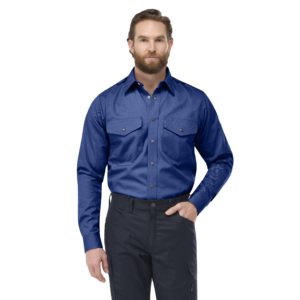
Button-front and snap-front work shirts developed for warehouse, dispatch and dock teams. Specify woven fabric composition, sleeve length, pocket layout, closures, reinforced stress points, color blocking, embroidered logos, woven labels and size grading for your uniform program.
Request a Workwear Quote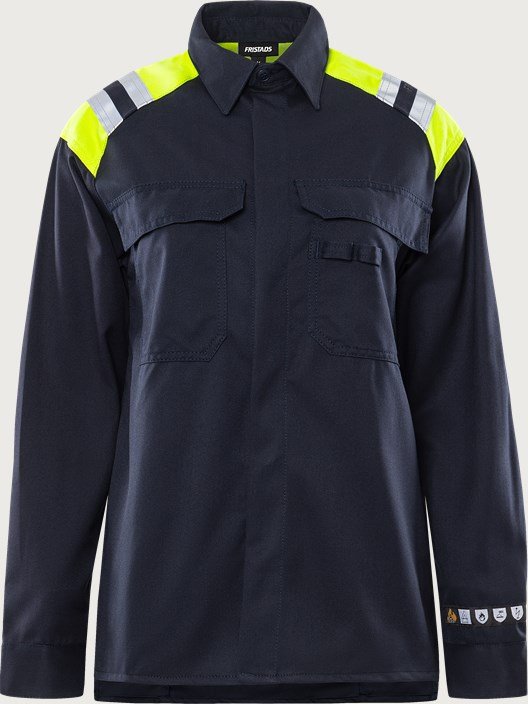
T-Shirts & Polos
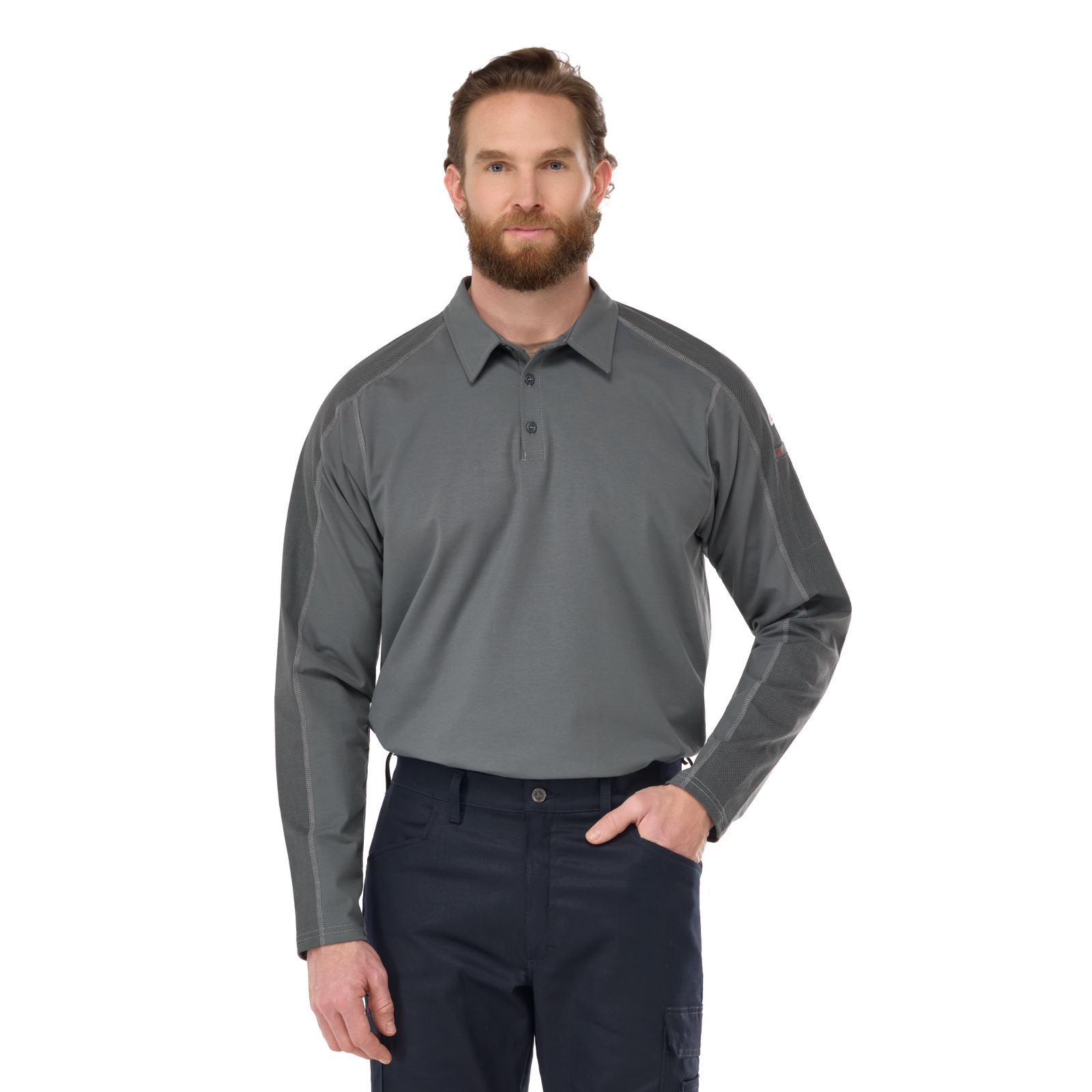
Jersey tees, piqué polos and long-sleeve styles for receiving, inventory and delivery staff. Discuss fabric composition, weight, collar construction, contrast panels, chest branding, reflective detailing where required, care labels and packaging before sampling.
Request a Workwear Quote
Work Jackets & Outerwear
Softshell, fleece, padded and rain jacket development for changing dock, transport and outdoor conditions. Build the style around shell fabric, lining, insulation, hood and cuff design, pocket systems, weather-focused construction and branded decoration.
Request a Workwear Quote
Work Vests & Bodywarmers
Utility vests and insulated bodywarmers provide flexible layering for supervisors, warehouse staff and delivery teams. Customize pocket configuration, front closure, collar height, padding, lining, contrast colors, reflective tape placement, embroidery, patches and labels.
Request a Workwear Quote
Work Pants & Shorts
Develop straight-leg work pants, cargo pants or work shorts with the pocket capacity and movement features your crews need. Available development details include fabric choice, waistband construction, knee reinforcement, gussets, bartacks, triple stitching, size grading and logo application.
Request a Workwear Quote
Coveralls & Bib Overalls
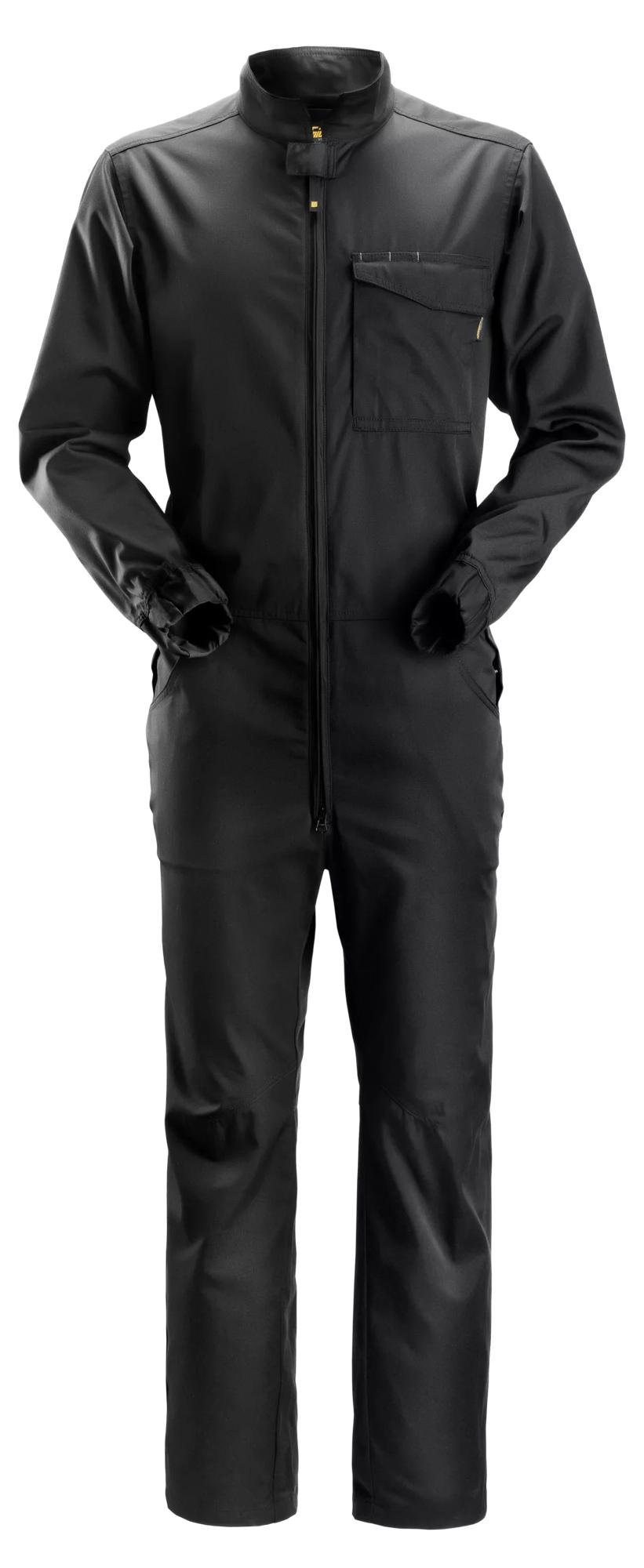
One-piece coveralls, bib overalls and practical two-piece work suits for maintenance, loading, cleaning and industrial tasks. Define entry closure, pocket placement, adjustable straps, reinforced zones, fabric construction, branding and sizing requirements during product development.
Request a Workwear Quote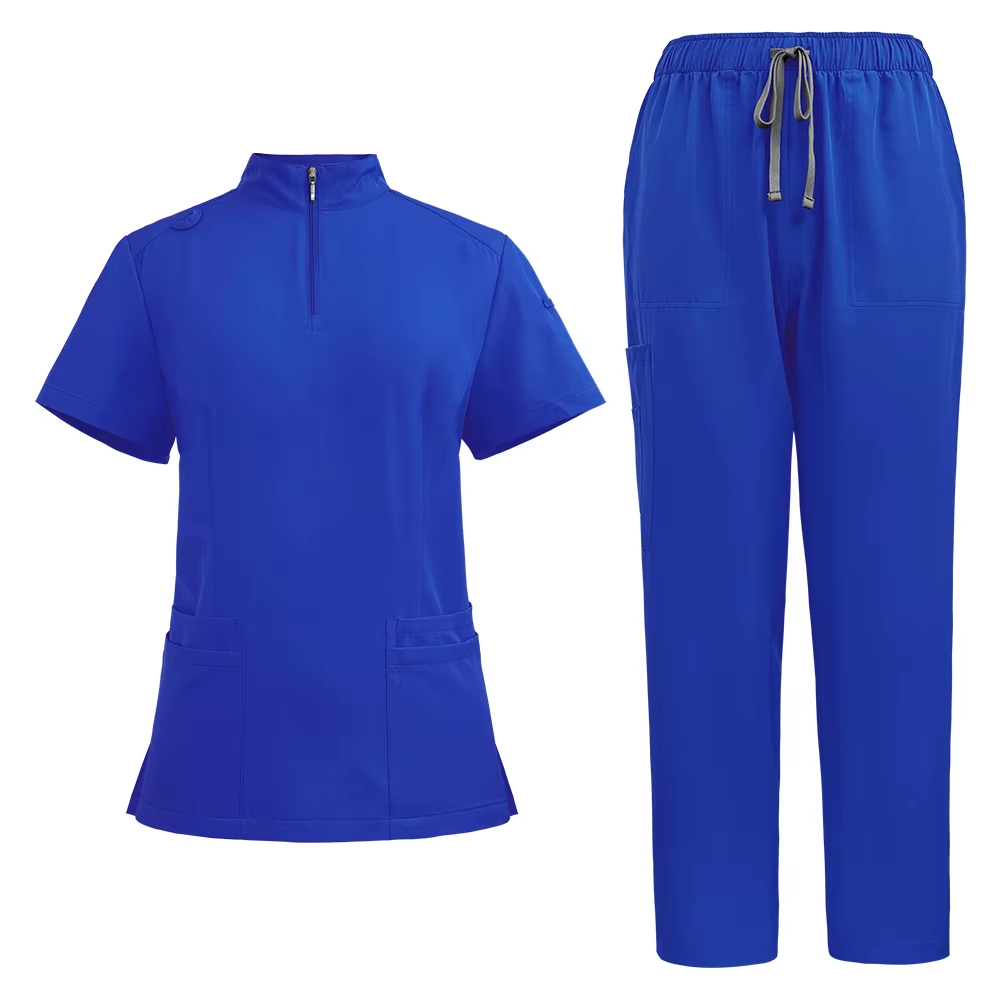
Workwear Sets
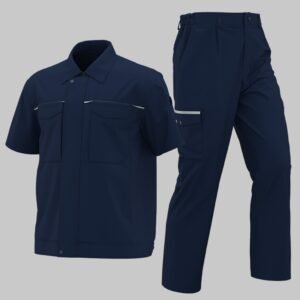
Coordinated shirt-and-pant, jacket-and-pant or vest-based uniform sets for consistent team presentation. Match fabrics, colors, trims, logo treatments and functional details across garments, then develop samples and graded size ranges for the intended workforce.
Request a Workwear Quote
High-Visibility Workwear
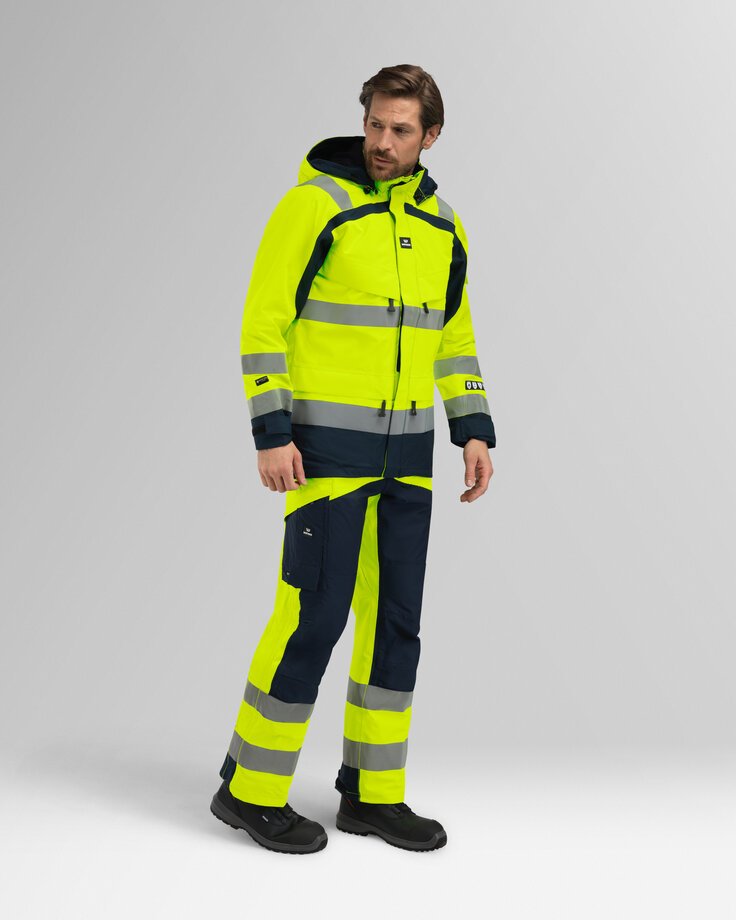
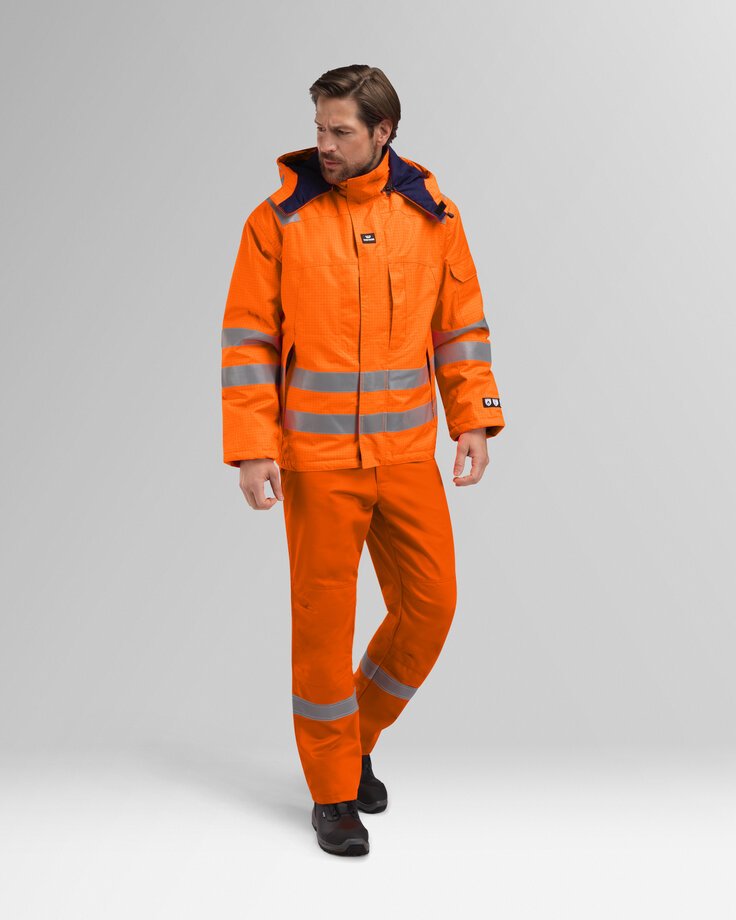
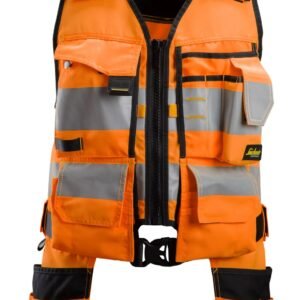
High-visibility garments can be developed as shirts, vests, jackets, pants, coveralls and coordinated sets. Set the fluorescent fabric, contrast layout and reflective tape placement for the job environment; any performance or compliance claim requires SKU-specific test evidence.
Request a Workwear Quote
Flame-Resistant & Arc-Rated Wear
Develop flame-resistant and arc-rated garment families for programs with defined protective requirements, including shirts, pants, coveralls and outer layers. Provide the applicable standard, target fabric and required documentation so the final product scope can be reviewed appropriately.
Request a Workwear Quote
Chemical-Protective Clothing
Chemical-protective clothing is developed around the intended exposure, garment construction and required standard. Options may include coveralls, protective outer layers and coordinated garments; chemical resistance and certification claims must be supported by the exact material and test scope.
Request a Workwear Quote
Cold-Storage Workwear
Cold-storage apparel can include insulated jackets, padded pants, bib overalls, coveralls and layered systems for refrigerated work areas. Select insulation, lining, closures, cuffs, hoods and mobility features around the operating environment; temperature ratings require documented evidence.
Request a Workwear Quote
Welding Workwear
Welding workwear programs may include jackets, shirts, pants, coveralls and protective outer layers with task-appropriate construction details. Discuss fabric selection, closure design, reinforced areas and required standard at the outset; protective performance must be documented for the finished SKU.
Request a Workwear Quote
Medical & Cleanroom Wear
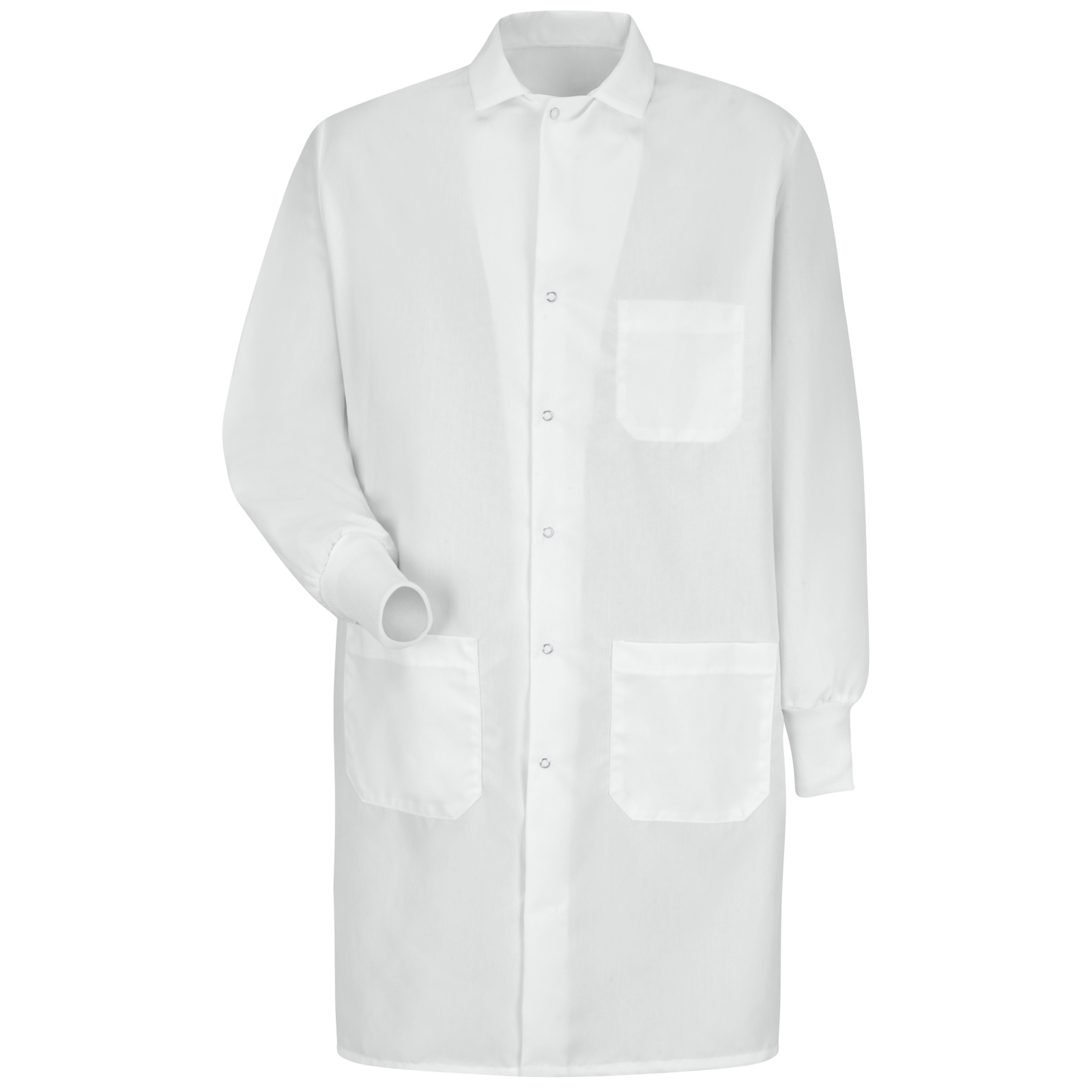
Medical scrubs, cleanroom garments and ESD-focused apparel can be developed for healthcare, laboratory and controlled-work environments. Specify garment type, fabric requirements, closures, pocket layout, color coding, size range, labeling and any applicable testing or certification needs.
Request a Workwear Quote
Chef & Hospitality Uniforms
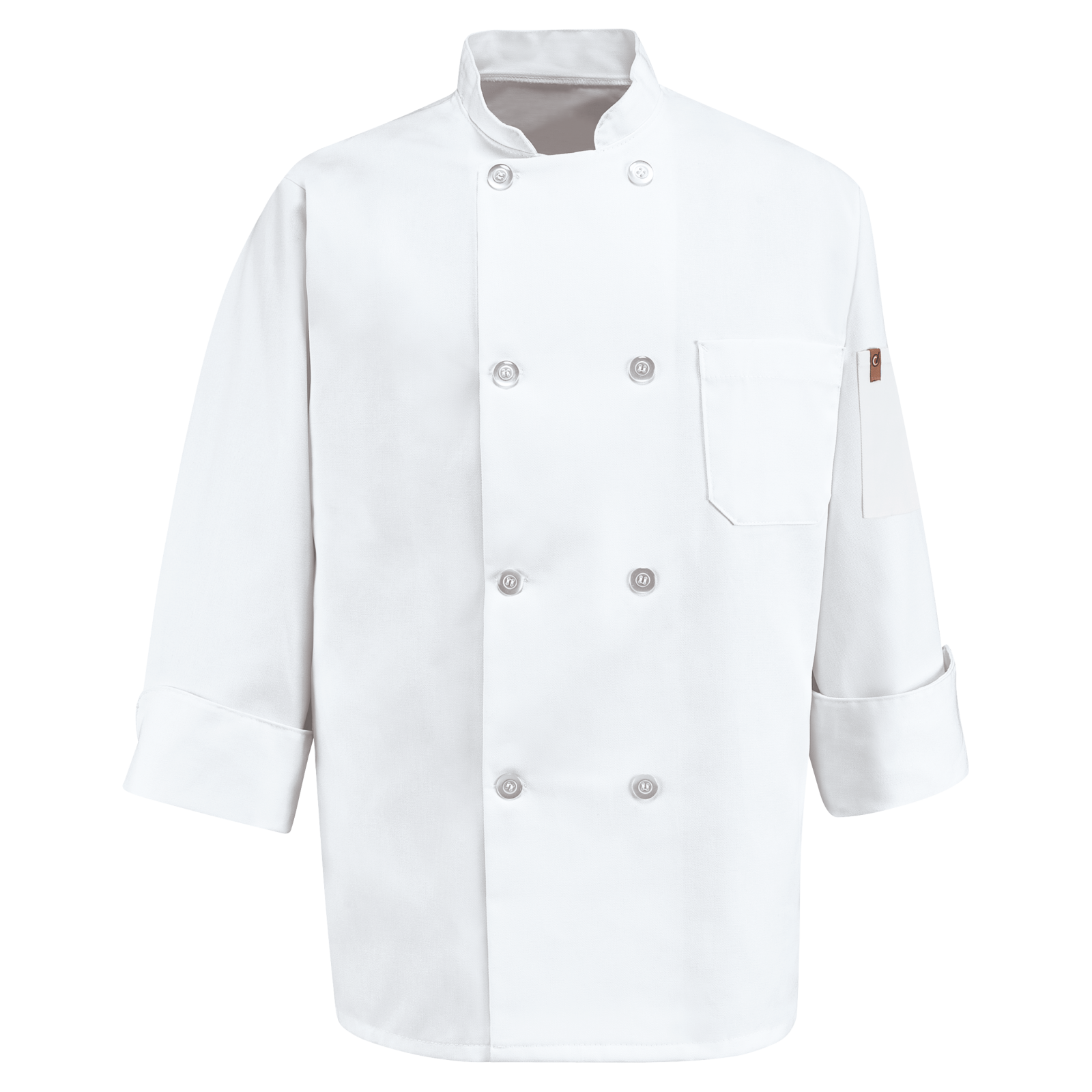
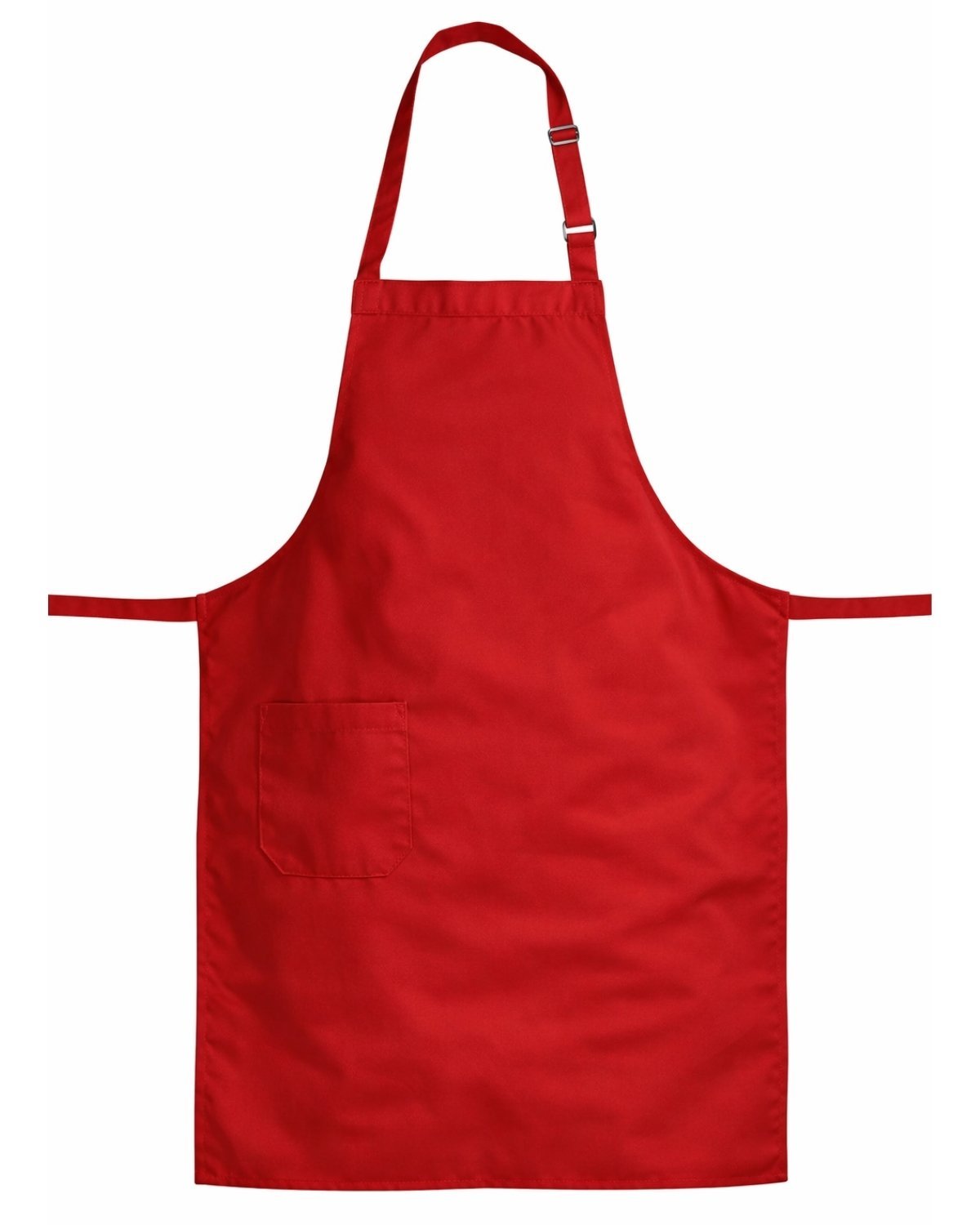
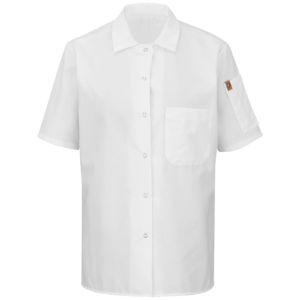
Chef coats, kitchen trousers, aprons, hospitality shirts, polos and service uniforms for back-of-house and guest-facing teams. Develop fabric, cut, closure style, pocket placement, color palette, logo decoration and care-label details to suit the operating role.
Request a Workwear Quote
Industry Uniforms
Custom industrial and service uniforms for warehouse operations, logistics, maintenance, cleaning, transport, security and other workforce programs. Combine shirts, outerwear, vests, pants and coveralls with coordinated colors, practical construction, private-label trims and custom packaging.
Request a Workwear Quote
Base Layers & Accessories
Complete uniform programs with base layers and supporting accessories such as undershirts, caps, aprons, belts, patches, woven labels, care labels and custom packaging. Align materials, color standards, logo treatment and packing requirements with the main garment collection.
Request a Workwear QuoteMaterial Options for Custom Workwear Programs




Workwear Development, Decoration and Construction



Custom Trims, Branding and Accessories for Workwear


About Veelianpro: Your Loading Dock Workwear Manufacturer
Hubei Veelianpro Workwear Co., Ltd. began its workwear operation in 2012 in Wuhan, Hubei. Our mission is to help workwear brands, distributors, wholesalers and enterprise buyers develop practical garments for loading docks, warehouses, industrial sites and service teams through dependable OEM, ODM and private-label production.
We support the full development path, from a tech pack, sketch, sample or product idea through fabric and trim sourcing, pattern development, sampling, grading, cutting, sewing, reinforcement, decoration, quality checks, packing and export coordination. Buyers can define visibility details, pocket systems, bartacks, stitching, weather protection, fit and branding around their operating requirements.
Veelianpro combines flexible customization with a practical starting MOQ of 100 pieces per style and color, subject to fabric, certification and construction requirements. The company profile describes a team of more than 300 skilled workers; this operating figure should be confirmed before prominent public use. Performance claims and certifications remain specific to tested garment programs.

Capabilities of a Loading Dock Workwear Manufacturer
Review the Complete Tech Pack
Veelianpro starts with your tech pack, sketch, sample, or product idea. Our team reviews garment purpose, fit, materials, pocket systems, visibility details, branding, and production requirements so practical adjustments can be identified before sampling begins.
- Review sketches, samples, and construction details
- Confirm fabric weight, composition, trims, and colors
- Plan pockets, branding, labels, and packaging
- Flag specification gaps before development

Develop Patterns and Sizes
Pattern development and grading translate your approved concept into production-ready workwear. Veelianpro can refine proportions for movement, create size specifications, and prepare garments for different roles, body profiles, departments, and coordinated uniform programs across shirts, jackets, pants, vests, and coveralls.
- Develop patterns from approved references
- Grade sizes against your measurement specifications
- Support articulated fits and movement allowances
- Coordinate sizing across multiple garment categories

Validate Fit Through Sampling
Samples help buyers assess comfort, mobility, construction, branding placement, and overall appearance before production. Veelianpro supports sample review and revision so your team can confirm loading-dock garments around real work requirements, including bending, reaching, layering, weather exposure, and repeated wear.
- Review fit, measurements, and range of motion
- Check pocket access and functional placement
- Confirm decoration, labels, and trim positioning
- Revise the sample before bulk approval

Control Construction and Delivery
Fabric and trim sourcing, reinforcement, decoration, inspection, packing, and export coordination are managed as connected production steps. Veelianpro can discuss bartacks, reinforced knees, triple stitching, gussets, reflective tape placement, embroidery, patches, heat transfer, and private-label finishing for repeatable programs.
- Source fabrics, trims, labels, and packaging
- Apply reinforcement based on stress-point requirements
- Complete quality checks before packing and shipment
- Coordinate export details and reorder requirements

Loading Dock Workwear Manufacturer vs. Off-the-Shelf Decoration
Choose development-led uniforms or pre-made garments decorated for your program. Starting MOQ is subject to fabric, certification and construction requirements.
← Swipe left or right to view →
How a Loading Dock Workwear Manufacturer Builds Your Program
Veelianpro guides loading dock workwear manufacturer projects from feasibility review through sampling, production, inspection and export coordination. OEM, ODM, private-label and wholesale programs can start from 100 pieces per style and color, subject to fabric, certification, construction and project requirements.
Feasibility Review
Share your garment type, work setting, roles, target quantities, sizes, colors, branding, destination, timeline and any required safety standard or test evidence.
Materials and Development
Veelianpro reviews fabric weight and composition, trims, visibility details, pockets, reinforcements, weather protection and construction feasibility before confirming the development route.
Sample Approval
Pattern development, grading and sample making turn the approved concept into a testable garment, allowing fit, mobility, branding placement and construction feedback.
Production and Decoration
After sample approval, cutting and sewing proceed with agreed materials, bartacks, reinforced seams, reflective trims and decoration, supported by in-process workmanship checks.
Inspection to Reorder
Final inspection, packing and export coordination prepare the order for shipment; approved specifications and records support consistent reorders, subject to project requirements and MOQ.
How to Work With Veelianpro on a Custom Workwear Program
Move from an initial product idea to approved samples, controlled production, inspection, and shipment with Veelianpro’s OEM, ODM, and private-label team.
Share Your Product Brief
Share your tech pack, sketch, sample, or product idea, then identify roles, hazards, garment categories, target quantities, destinations, and delivery timing.
Define Specifications and Branding
Define performance and branding requirements, including fabric weight, composition, visibility details, reinforcements, pocket systems, sizing, colorways, labels, and decoration methods.
Review Samples Before Approval
Review developed patterns, graded sizes, material options, and samples to assess fit, mobility, construction, branding placement, and role-specific suitability before approval.
Confirm Production Requirements
Confirm the quotation, approved specifications, MOQ, color and size breakdown, payment terms, inspection expectations, packing details, and shipment plan before production.
Coordinate Production and Reorders
Veelianpro coordinates cutting, sewing, quality checks, packing, export coordination, and reorder support while maintaining approved details across your loading dock workwear program.
Compliance Documentation and SKU-Specific Evidence


Loading Dock Workwear Manufacturer Scenarios
Illustrative scenario: A safety distributor developing a dock program brings separate needs for receiving, forklift-adjacent work, and outdoor transitions. Veelianpro reviews the role matrix, develops jacket and trouser options, and submits samples for approval against agreed fit, visibility placement, pocket function, and site requirements.
Illustrative scenario: A uniform buyer needs outer layers for an unheated loading dock without unnecessary loose features around moving equipment. The development process focuses on fabric and insulation options, closure and pocket details, size grading, and branded decoration, with acceptance based on the approved sample and documented construction specifications.
Illustrative scenario: A workwear brand plans a private-label collection for freight-handling teams that move between warehouse interiors and exposed dock areas. Veelianpro translates the concept into patterns, fabric and trim selections, samples, labels, and packing details; production is considered after the buyer approves the specification and applicable safety requirements.
FAQ for Loading Dock Workwear Buyers
Answers on customization, sampling, production, compliance evidence and logistics for B2B loading-dock uniform programs.
What does a loading dock workwear manufacturer need to quote my project?
What is the MOQ for a loading dock workwear manufacturer?
Can a loading dock workwear manufacturer create private-label uniforms?
How does a loading dock workwear manufacturer handle different job roles?
Can I approve samples before placing a loading dock workwear manufacturer order?
What performance evidence should I request from a loading dock workwear manufacturer?
What are the payment, lead-time and shipping terms for a loading dock workwear manufacturer?
How does Veelianpro protect my loading dock workwear manufacturer design?
A Buyer’s Guide to Loading Dock Workwear
Use this role-based framework to specify dock-ready apparel, compare supplier capabilities, evaluate samples, control cost drivers, and avoid workwear choices that fail across freight handling, forklift-adjacent areas, and changing weather.
1. Defining a Loading Dock Workwear Program
A dock workwear program coordinates garments for receiving crews, freight handlers, personnel working near vehicle traffic, and teams moving between warehouse interiors and exposed dock doors. The brief may combine trousers, shirts or polos, weather layers, rain jackets, vests, coveralls, and role-specific branding. Instead of selecting one generic uniform, define pockets, closures, visibility-element placement, reinforcement, and layering around the assigned work.
Production turns approved patterns, fabrics, trims, decoration, and packing requirements into finished goods. Program specification comes first: the buyer defines roles, work setting, size range, color, branding, destination, and the construction details that must remain consistent across styles. The employer or safety lead must identify hazards and provide any applicable standard, test, or certificate requirement before a protective claim is included in the specification.
Veelianpro supports OEM, ODM, private-label, and wholesale industrial and service apparel programs from a tech pack, sketch, sample, or product idea. Its stated services include fabric and trim sourcing, pattern development, sampling, and branded-garment production with development options such as reinforced knees, bartacks, reflective-tape placement, and custom labels. The starting MOQ is 100 pieces per style and color, subject to fabric, certification, and construction requirements.
2. Building a Role- and Exposure-Based Brief
A single shift may include indoor receiving, open dock doors, trailer-side handling, and wet or cold transitions. Start by separating those work settings rather than assigning every role the same garment. Base tops may suit indoor work, while a layerable outer garment can be considered where exposure changes during the shift. Confirm movement requirements during sampling so added layers do not interfere with lifting, bending, or vehicle entry.
Document traffic zones, lighting conditions, and the intended location of any visibility elements. If a site requires high-visibility apparel or another protective specification, the buyer should provide the applicable requirement and the documentation needed for the finished SKU. Reflective tape or fluorescent-color choices are design inputs; they are not proof of compliance on their own.
The same brief should identify carried items, abrasion points, weather exposure, loose-feature restrictions, and the required size range for each role. This gives the supplier a buildable basis for pocket layout, reinforcement, closures, and layer compatibility, while leaving PPE selection and protective-performance decisions with the buyer’s safety process.
3. Loading Dock Workwear Manufacturer Product Types
Dock teams rarely need one universal outfit. Separate garments by receiving duties, freight handling, indoor-to-outdoor exposure, vehicle proximity, and the site’s required protective equipment before building a coordinated range.
Receiving Uniforms
Receiving staff need easy movement for scanning, checking labels, and repeated bending. Work shirts, polos, or tees can carry identification and branding without adding bulky layers.
Do not standardize the same top for exposed dock crews when their weather and visibility needs differ.
Durable Work Trousers
Cargo trousers suit crews who carry small tools or paperwork and work close to pallets. Specify pocket layout, reinforced knees, bartacks, or gussets only where those functions justify added bulk.
Lighter roles may not need every reinforcement feature, which can affect comfort and cost.
Thermal Midlayers
Fleece or padded midlayers help workers transition between unheated docks and indoor areas. A removable layer gives supervisors flexibility when temperatures change through a shift.
Do not issue thermal weight universally to workers in consistently warm pick areas.
Weather-Protective Outerwear
Rain jackets, softshells, and padded jackets address wind, rain, and cold exposure at open dock doors. Select the outer layer around the actual weather condition and required mobility.
Avoid loose features where equipment or moving vehicles create snag concerns.
High-Visibility Outer Layers
High-visibility vests or outer jackets are most relevant where pedestrians work near forklifts, trucks, or low-light dock areas. Tape placement and garment coverage should follow the site’s documented hazard and compliance requirement.
They should not replace role-specific outerwear or become an unsupported performance claim.
Footwear And Accessories
Footwear requirements should be coordinated with heavy-freight handling, wet surfaces, ankle support, and long periods on concrete. Gloves, headwear, and other accessories also depend on the task rather than a single company-wide kit.
Veelianpro can develop the garment program while buyers define applicable footwear and PPE requirements.
4. Loading Dock Workwear Manufacturer Material Options
Dock apparel should be specified as a coordinated set of shell, inner-layer, and construction choices suited to the assigned task. Veelianpro can source fabrics and trims around the work setting, then develop the garment from the agreed specification.
| Option | Practical Use Condition | Advantage | Limitation To Resolve |
|---|---|---|---|
| Softshell shell | Variable indoor-to-outdoor dock work | Flexible outerwear direction | Composition and weather target require specification |
| Fleece layer | Cooler indoor or sheltered dock periods | Layering without padded bulk | Exposure and care requirements must be defined |
| Padded jacket | Colder work periods | Additional thermal-layer direction | Bulk and mobility need sample review |
| Reflective tape | Visibility-focused program | Adds a visible design element | No compliance claim without evidence |
| Reinforced knees or bartacks | Kneeling or high-stress zones | Targets wear points | Placement can affect comfort and cost |
Shell Fabric Selection

Softshell, rain-jacket, and workwear shell directions solve different exposure problems. Specify the intended indoor-to-outdoor transition, moisture exposure, required fabric composition and weight, because those choices change mobility, hand feel, drying behavior, and care requirements.
Avoid treating a weather-protection design target as a documented performance claim until the relevant material and test evidence are agreed.
Thermal Layer Choices
Fleece and padded jackets are two distinct layering routes for unheated docks and cooler shifts. Fleece may be considered where a lower-bulk layer is preferred; padded construction changes bulk, reach, storage, and laundering expectations.
Choose the layer around actual shift conditions and whether workers repeatedly move between trailers, yards, and conditioned interiors. Any temperature rating or thermal-performance claim requires documentation for the finished garment.
Lining And Mobility
A lining system should be specified with the shell and insulation, not after sampling. It affects how easily a jacket slides over a polo or shirt and how the garment feels during lifting, bending, and repeated trailer entry.
Ask to review the lining, pocket construction, and sleeve movement on the sample in the intended layer combination.
Visibility Elements
Reflective tape placement can be developed for visibility-focused garment programs. Placement must preserve pocket access, seam construction, and branding space; any required standard, test, or certificate must be supplied and confirmed separately.
Do not label a design high-visibility compliant solely because reflective tape is included.
Reinforcement Inputs

Reinforced knees, bartacks, triple stitching, and gussets address different stress points. Select them from job motions and contact zones rather than adding every feature, which can increase bulk and restrict movement.
Cargo-pocket loading, kneeling frequency, and repeated lifting are useful inputs for a reinforcement brief.
5. Customization for Loading Dock Workwear Programs
Customization should make dock teams recognizable by role without turning a uniform into an obstacle. Start with the work zone, task sequence, garment layer, and site-required protection; then apply brand elements around those constraints.
| Customization Element | Functional Check | Approval Evidence |
|---|---|---|
| Color blocking | Keeps teams recognizable without covering required visibility zones | Color layout by garment role |
| Logo placement | Avoids seams, closures, and high-abrasion areas | Artwork proof and placement drawing |
| Reflective trim | Matches the buyer’s documented requirement | Tape placement drawing and applicable requirement |
| Pocket configuration | Supports carried items without snagging or restricted movement | Sample review with intended contents |
| Packaging assortment | Supports size issue and destination sorting | Carton marking and size-breakdown list |
Map Roles Before Colors
Separate receiving, heavy-freight handling, forklift-adjacent, and outdoor-transition roles before assigning colors. Color blocking can identify teams or shifts, but it must not obscure required visibility areas or create confusing assortments.
Use a role matrix in the tech pack: garment type, base color, contrast panels, required trim, and approved logo location. Decorative color choices remain secondary to documented site requirements.
Place Logos And Reflective Trim
Chest, sleeve, back-yoke, and pocket branding each change legibility and wear exposure. Keep artwork clear of closures, seams, stretch zones, and areas likely to be covered by outer layers.
Reflective tape placement is a functional specification, not a decoration. Provide the applicable visibility requirement and placement drawing; do not treat a tape pattern as evidence of a certified protective rating.
Configure Pockets For Movement
Pocket systems should match scanners, pens, gloves, paperwork, or small tools actually used at the dock. Oversized flap pockets, dangling loops, and poorly placed closures can snag or press uncomfortably when lifting or bending.
Specify pocket dimensions, closure type, drainage needs, and whether contents must be accessible while wearing a jacket. Review these details on an approval sample before production.
Plan Sizes And Packed Assortments
A complete size run is a procurement requirement, not an afterthought. Confirm graded measurements, role-specific layers, and the quantity split by size before approving the order.
For distributors and multi-site buyers, pack by style, color, size, and destination code so receiving teams can issue garments without opening every carton. Veelianpro can discuss custom labels and packaging within the confirmed order specification.
6. Construction Details That Affect Dock Wear
Knees, seat seams, pocket openings, cuffs, and front closures merit close review where the job repeatedly pulls, rubs, or catches the garment. Evaluate a pre-production sample during the expected motions, including bending, reaching, climbing, and carrying.
| Construction Detail | Failure Risk | Sample Checkpoint |
|---|---|---|
| Reinforced stress points | Torn high-strain seams | Inspect bartacks and seam continuity |
| Secured pockets | Lost tools or contents | Operate closures while gloved |
| Adjusted cuffs and hems | Cold exposure or snagging | Check coverage and excess fabric |
| Movement allowance | Restricted lifting and bending | Test full dock-task motions |
Reinforce Stress Paths
Bartacks, reinforced knees, gussets, and triple stitching can be specified for areas exposed to repeated strain. Check the sample at pocket corners, crotch joins, knee panels, and side seams for even stitching and no skipped sections.
- Match reinforcement locations to the task
- Check seam allowance lies flat
- Confirm knee-panel placement in motion
Secure Closures And Pockets
An unsecured chest or cargo pocket can lose tools during trailer and freight handling, while exposed closure parts may catch on equipment. Specify the required pocket closure and inspect that zippers, snaps, flaps, and pullers operate cleanly without obstructing access.
- Open and close each pocket one-handed
- Check flap coverage over stored items
- Assess protruding hardware near equipment
Control Cuffs And Hoods
Adjustable cuffs and hems help reduce drafts at an exposed dock, but excess fabric can snag. Decide whether a hood is necessary for the role; where moving equipment is present, avoid loose drawcords and check the finished adjustment range on the intended wearer.
- Check cuff closure under gloves
- Check hem coverage when reaching
- Review hood and drawcord exposure
Allow Movement And Laundering
A garment that fits standing still can restrict lifting, bending, or vehicle entry once layers are added. Wear-test the sample through those motions, then agree the care method and inspect a laundered sample for seam twisting, closure function, and decoration attachment before approval.
- Test reach, squat, and step-up motion
- Wear-test over planned base layers
- Inspect after the agreed wash method
7. Choosing a Loading Dock Workwear Manufacturer
A capable loading dock workwear manufacturer turns site exposure into a buildable garment brief, rather than offering one generic warehouse uniform. Compare suppliers against the same role, hazard, construction, branding, and acceptance requirements.
| Comparison Point | Buyer Input | Supplier Response |
|---|---|---|
| Role and hazard | Tasks, exposure, site rules | Recommended garment configuration |
| Construction | Wear points and pocket needs | Fabric, seams, reinforcements, closures |
| Acceptance | Sample criteria and packing | Inspection and quote inclusions |
Brief By Role And Exposure
Separate receivers, heavy-freight handlers, forklift-adjacent pedestrians, and outdoor-transition crews. Record temperature swings, wet exposure, abrasion points, traffic visibility needs, and any applicable protective standard before asking for a recommendation.
Provide destination, size range, color plan, target quantity, and required wear layers. Protective claims must stay a design target until the exact test evidence and certification scope are reviewed.
- Work setting and task sequence
- Vehicle and weather exposure
- Required standard or site rule
- Branding locations and method
Compare Build Options
Ask each manufacturer to identify the proposed fabric composition and weight, reinforcement locations, seam approach, closure type, pocket layout, and reflective-tape placement. This exposes differences that a product photo cannot show.
Veelianpro can develop from a tech pack, sketch, sample, or product idea and supports fabric and trim sourcing, pattern development, sampling, and reinforcement choices.
Check Customization Feasibility
Send artwork files and placement dimensions, then ask which decoration method suits each fabric and layer. Confirm whether embroidery, screen printing, heat transfer, patches, woven labels, care labels, and custom packaging affect the approved construction.
Approve The Pre-Production Sample
Use the sample to check mobility, pocket access, label position, sizing, stitch consistency, and decoration adhesion under the intended layers. Convert every approved detail into a revision-controlled specification before production.
Ask what sample changes are recorded, what inspection points apply, and what final packing configuration will be used. Do not treat an unverified sample as evidence of certified protection.
Define Comparable Quote Inclusions
Request a line-by-line quotation covering fabric, trims, decoration, pattern work, sampling, packing, inspection, export coordination, payment terms, and shipment basis. Ask separately for MOQ, production timing, capacity, and certification availability; these require quote-specific confirmation.
8. Common Loading Dock Workwear Buying Mistakes
A dock program fails when it treats every worker and exposure as the same. Correct the specification before sampling: map tasks, vehicle interfaces, weather transitions, and the required approval evidence.
One Garment For Every Role
A single shirt or jacket cannot suit receiving, freight handling, forklift-adjacent work, and yard exposure.
Build role-based layers and trouser options, then standardize shared branding across the program.
Choosing Appearance Over Function
A clean silhouette can hide inadequate pocket access, weak reinforcements, or unsuitable closure placement.
Convert each task into construction requirements: pocket contents, kneeling points, lifting motion, and trim placement.
Ignoring Dock-To-Yard Transitions
Workers crossing from warehouse to dock or yard face changing wind, rain, and temperature exposure.
Specify compatible base, insulating, and weather layers for the actual transition, rather than an isolated outer jacket.
Assuming Visibility Equals Compliance
High-visibility color or tape alone does not establish that a garment meets a site requirement.
Confirm the work area, applicable standard, and required finished-SKU documentation through the buyer’s site safety process before making a compliance claim.
Leaving Loose Features Near Equipment
Loose drawstrings, unsecured flaps, and dangling accessories can interfere with moving equipment or snag during handling.
Specify secure closures, controlled adjusters, and pocket layouts suited to the operating area before sample approval.
Approving Flat Artwork Only
A logo proof cannot reveal how decoration crosses seams, pockets, reflective tape, or a worn garment’s movement.
Approve a worn sample with the intended decoration, labels, and packaging before releasing production.
9. Steps to Launch a Dock Workwear Order
A dock program starts with job exposure, then turns those observations into controlled garment specifications. Keep role decisions, approvals, and purchase-order details aligned so a sampling change does not disappear before bulk production.
Map Roles And Exposures
Separate receiving, forklift-adjacent, outdoor transfer, and administrative roles. Record weather transition, vehicle proximity, abrasion points, required visibility, and any site-required protective standard before selecting garments.
Build The Garment Brief
For each style, define fabric composition and weight, color, pocket layout, reinforcements, closure type, branding placement, labels, and packing. Identify loose-feature restrictions around equipment and provide the required test or certificate scope when protection is requested.
Plan Sizes And Sample Control
Use wearer measurements or an approved size chart to set the size curve; do not assume one curve fits every workforce. Review a prototype or sample against the brief, log each revision by version, and approve one final reference before production.
Set PO And Acceptance
The purchase order should name every approved style, color, size breakdown, decoration artwork, labels, packaging, inspection criteria, destination, and final commercial terms. At receiving, check cartons, quantities, sizes, visible construction, branding, and documentation against that approved reference.
Worked Role Matrix
Worked example only: a buyer separates indoor receiving from exposed dock transfer rather than issuing one universal garment. The matrix becomes the brief for sampling; quantities, dates, and performance claims remain buyer-specific.
| Role | Base SKU | Outerwear Option | Brief Focus |
|---|---|---|---|
| Receiving | Work shirt and cargo trouser | Optional layer | Pockets and movement |
| Outdoor dock transfer | Work shirt and trouser | Rain or padded jacket | Weather-exposure brief and visibility-element placement |
| Forklift-adjacent support | Polo and cargo trouser | High-visibility vest or outer layer | Site hazard-assessment requirements |
10. Cost Drivers for Dock Workwear
A lined dock jacket, a vest with visibility elements, and reinforced cargo trousers use different materials and operations, so they should not be compared as one per-piece category.
Compare quotations on the defined garment, approved materials and trims, decoration, packing, sampling, inspection scope, and export coordination—not only on a unit figure. Confirm MOQ, delivery timing, and final commercial terms in the individual quotation after the assortment, sample requirement, and destination are known.
| Cost Driver | What Changes Cost | Quote Must Specify |
|---|---|---|
| Garment category and materials | Shell fabric, lining, insulation, weather-protection choices, and garment complexity change material consumption and sewing operations. | Style, fabric composition and weight, lining or padding, required protection target if applicable. |
| Durability and visibility details | Reinforced knees, bartacks, triple stitching, gussets, and reflective tape add components and labor. | Placement, coverage, stitch details, tape specification, and any required test or certificate. |
| Branding and color | Embroidery, screen printing, heat transfer, patches, labels, color count, and color blocking require different setup and application work. | Artwork files, method, locations, dimensions, colors, woven or care-label content. |
| Size range and assortment | More sizes, colors, styles, and role-specific variants make allocation, packing, and production planning more complex. | Size ratio, color ratio, style breakdown, carton assortment, and destination. |
| Sampling, packaging, and quantity | Pattern development or samples, custom packaging, and total quantity affect one-time and per-unit quote components. | Sample scope, packaging artwork, folding or bagging requirements, final quantity, and shipment destination. |
Ready to Partner With a Loading Dock Workwear Manufacturer
Send your garment, fabric, branding, quantity, destination, standards, and timeline to begin a practical OEM or private-label review.