
Meat Packing Workwear Manufacturer for Custom Programs
Veelianpro is a meat packing workwear manufacturer offering OEM, ODM, and private-label development from 100 pieces per style and color, subject to project requirements.
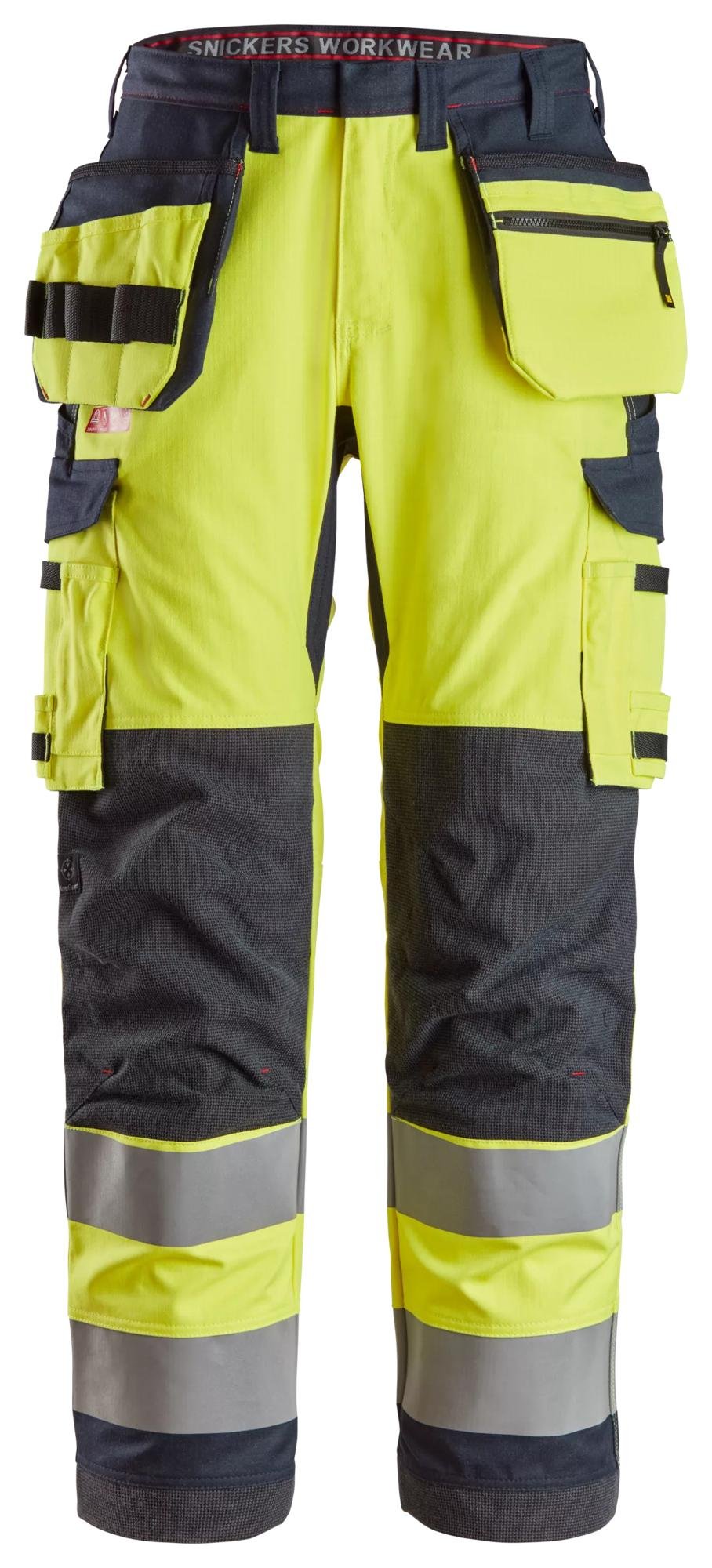
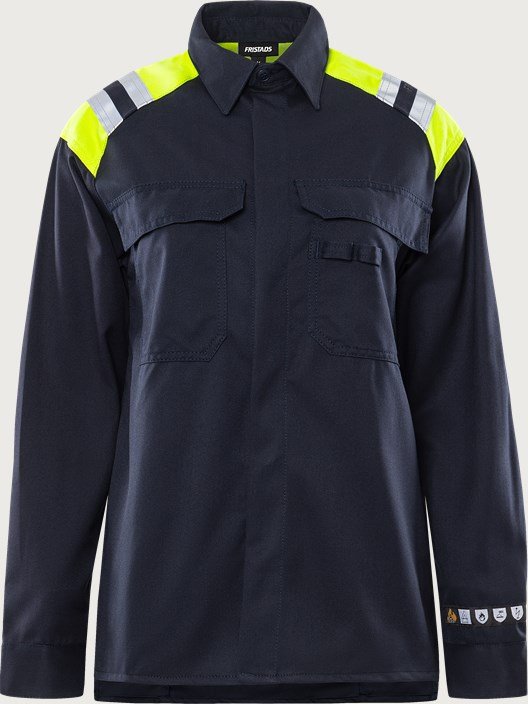
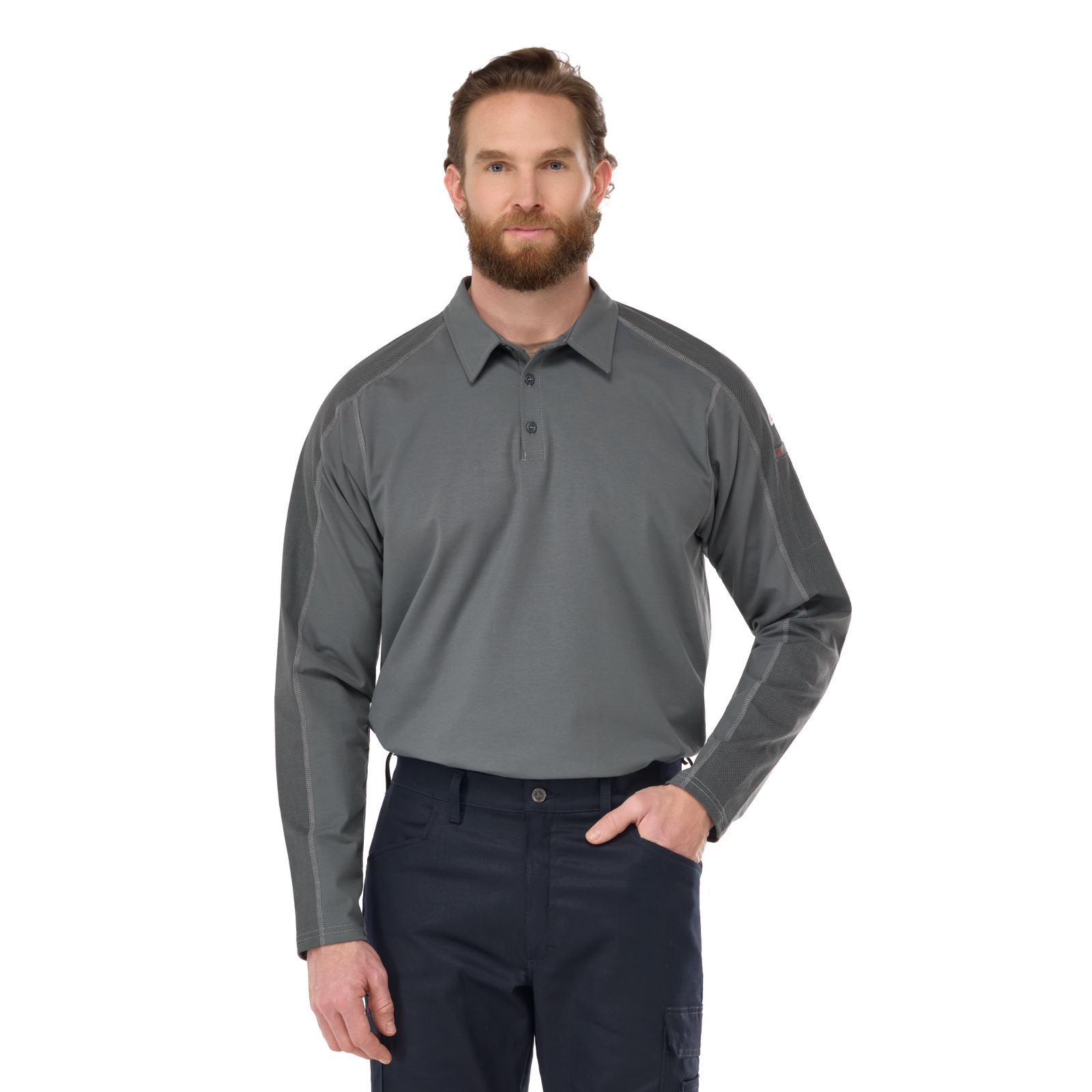
Featured Garment References for Meat-Packing Programs
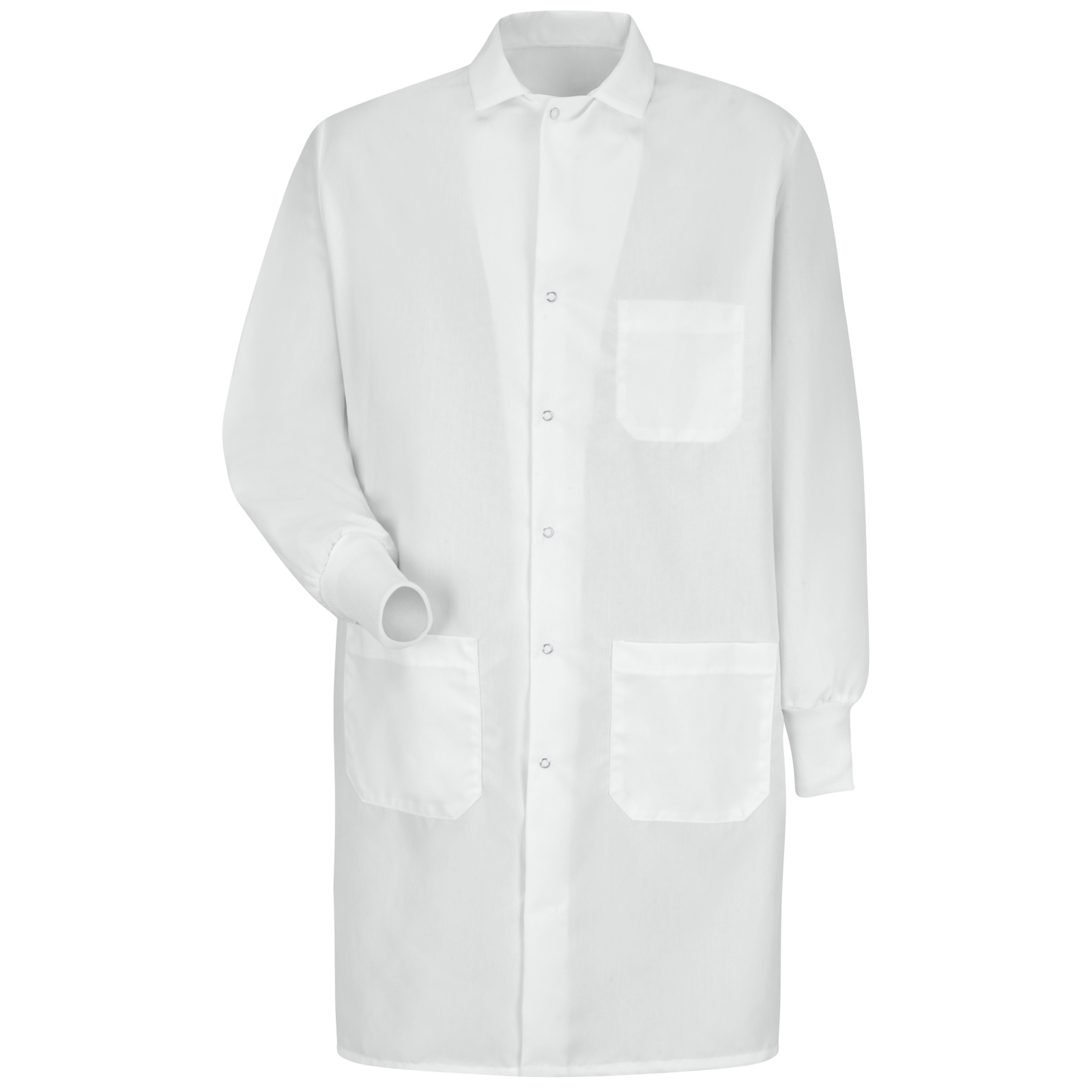


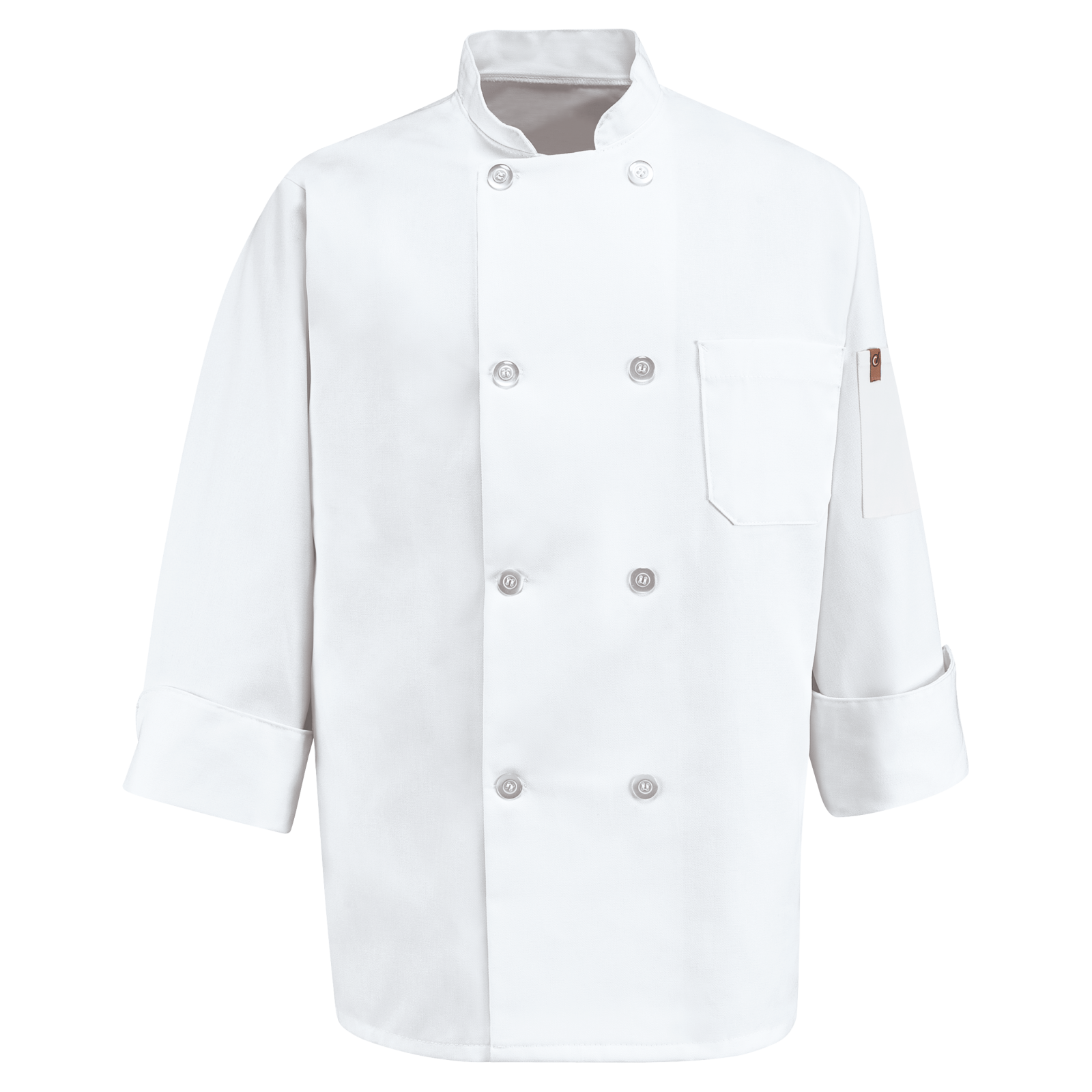


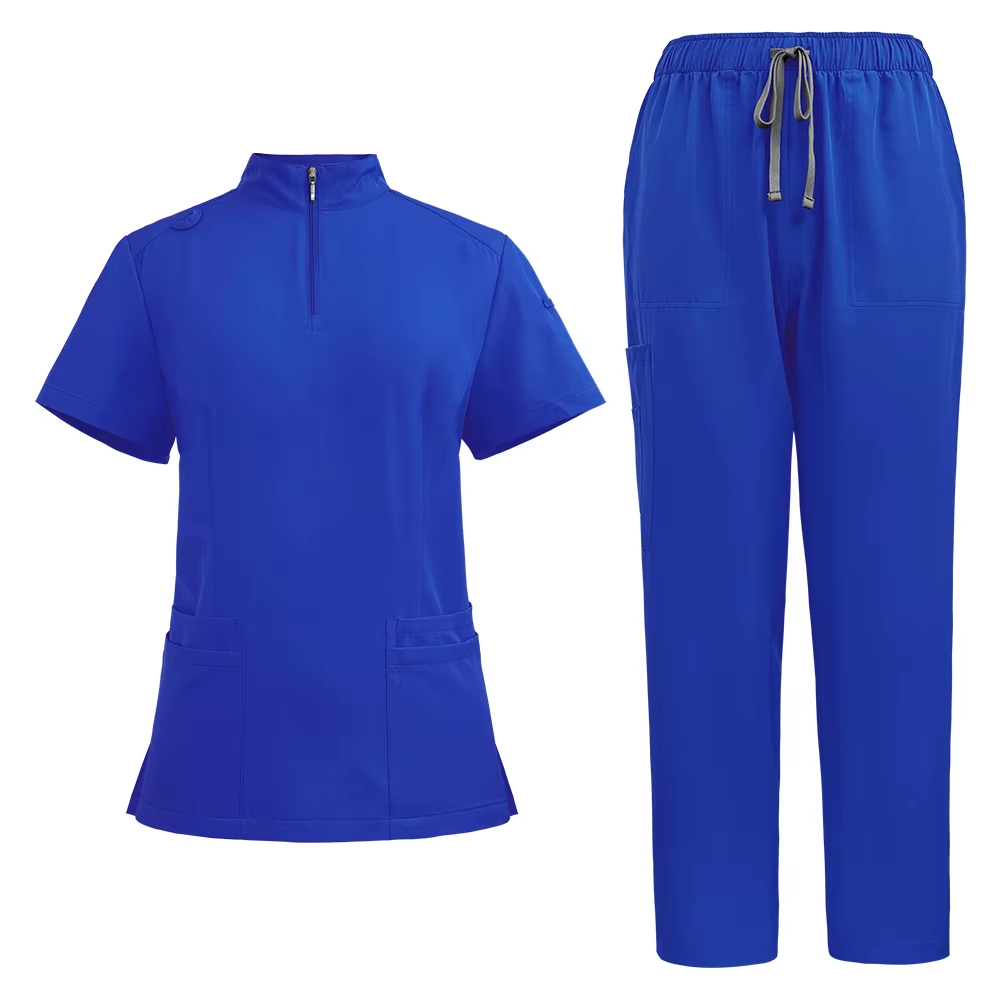
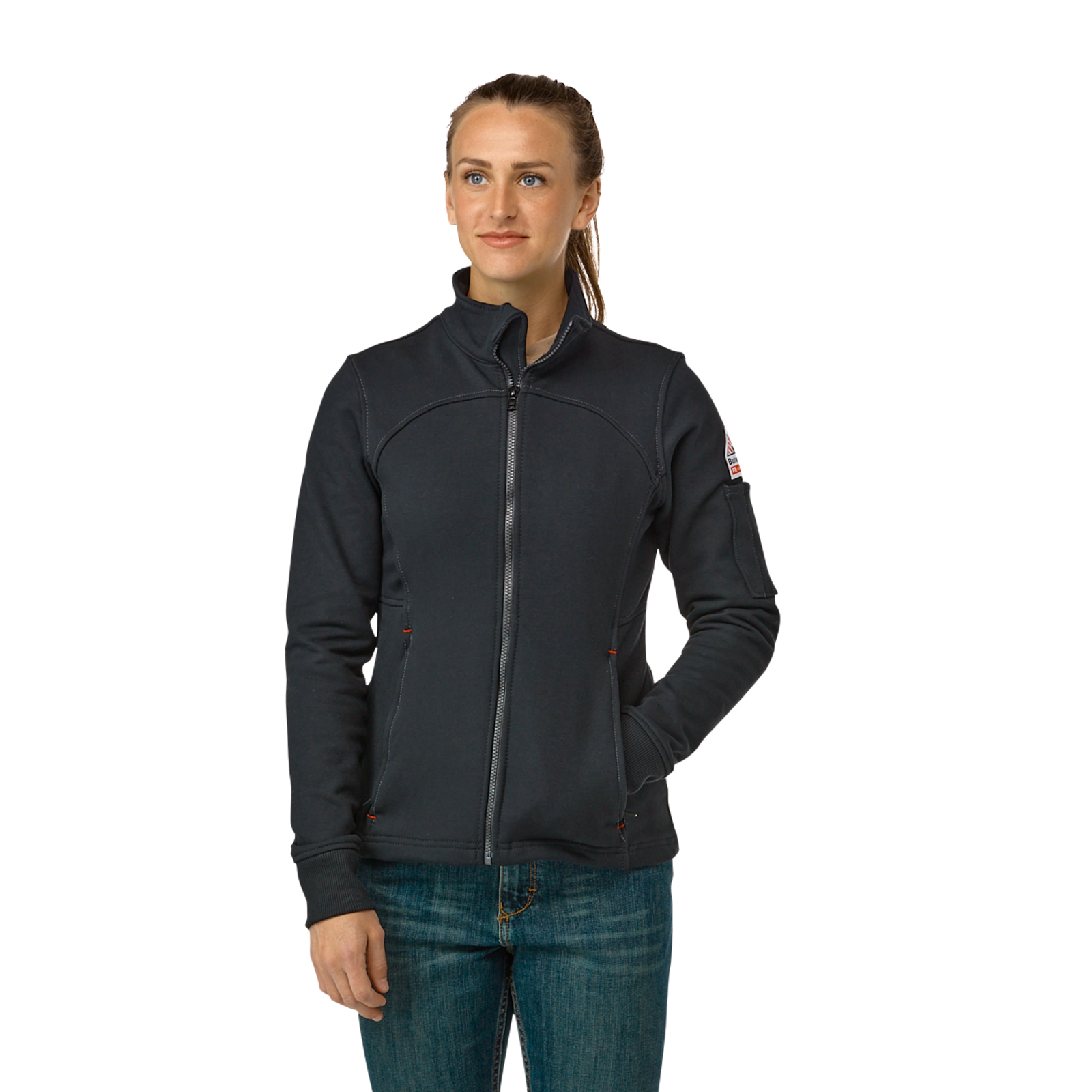




Related Products and Quote Requests
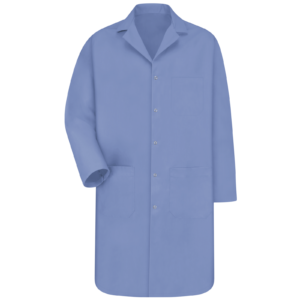
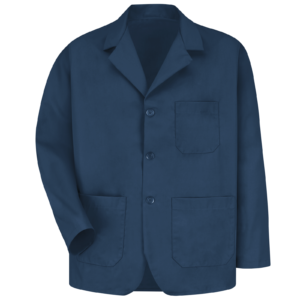


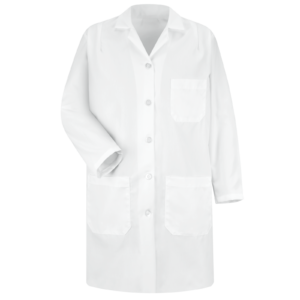
Meat Packing Workwear Manufacturer for Role-Specific Development
Veelianpro develops custom meat-packing uniforms around your operating needs, from hygienic pocket and closure choices to fabric, sizing, labels, and packaging. OEM, ODM, and private-label programs can start from 100 pieces per style and color, subject to fabric, construction, and project requirements.
Pocket Configuration
Specify pocketless, internal, covered, or task-focused pocket layouts to support your hygiene procedures and the tools each role requires.
Secure Closure Options
Choose closure types and placement during development, with details matched to garment function, wearer movement, and your facility’s operating practices.
Wash-Ready Construction
Discuss fabric composition, weight, seam construction, and finishes for your expected wash routine before sampling and bulk production.
Mixed-Crew Sizing
Build size grading and fit specifications for varied teams, helping buyers plan consistent uniforms across processing, packing, and supervisory roles.
Private-Label Execution
Add embroidery, printed branding, patches, woven labels, care labels, and custom packaging to create a coordinated branded workwear program.
Workwear for Meat Processing Teams
Custom garment development for processing floors, cold rooms, dispatch areas, hygiene-sensitive roles, and customer-facing food-service operations.

Work Shirts
Developed for production, trimming, packing, and maintenance teams, work shirts can use selected fabrics, pocket layouts, reinforced stress points, woven labels, and embroidered or printed identification. Collar, cuff, closure, color, and sizing specifications are built around the intended workplace.
Request a Workwear Quote
T-Shirts & Polos
T-shirts and polos suit supervisors, dispatch teams, retail support, and branded staff programs. Specify fabric composition, weight, neckline or collar construction, color blocking, logo placement, care labels, and size grading during sampling for a uniform presentation across shifts.
Request a Workwear Quote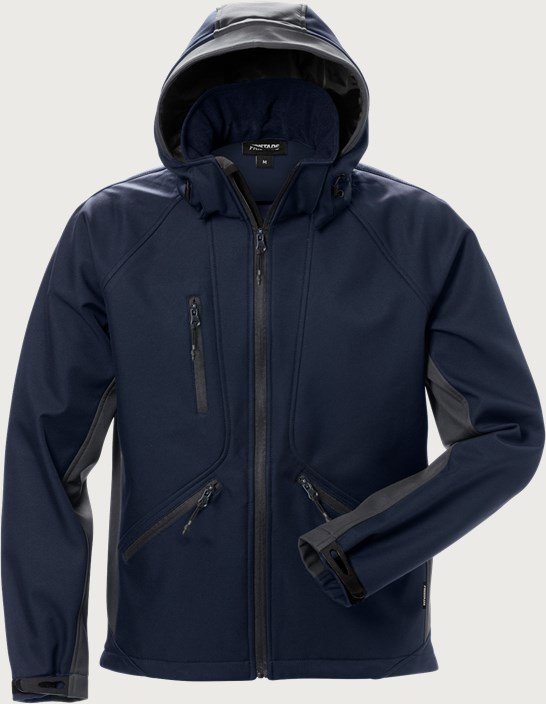
Work Jackets & Outerwear
Outerwear programs include softshell, fleece, padded, and rain-jacket constructions for loading bays, transport, site access, and changing conditions. Develop weather-protection details, pocket systems, lining, closures, reflective trim placement, and private-label finishing to match the role.
Request a Workwear Quote
Work Vests & Bodywarmers
Vests and bodywarmers provide adaptable layering where full sleeves are unnecessary. Utility layouts may include selected pockets, front closures, quilted insulation, fleece panels, branding, and color coding for warehouse, loading, supervisory, or visitor garments.
Request a Workwear Quote
Work Pants & Shorts
Work pants, cargo styles, and shorts can be developed with required pocket configurations, reinforced knees, bartacks, triple stitching, gussets, and chosen fabric construction. Fit, rise, leg shape, waistband details, color, labels, and decoration are specified for active processing and logistics roles.
Request a Workwear Quote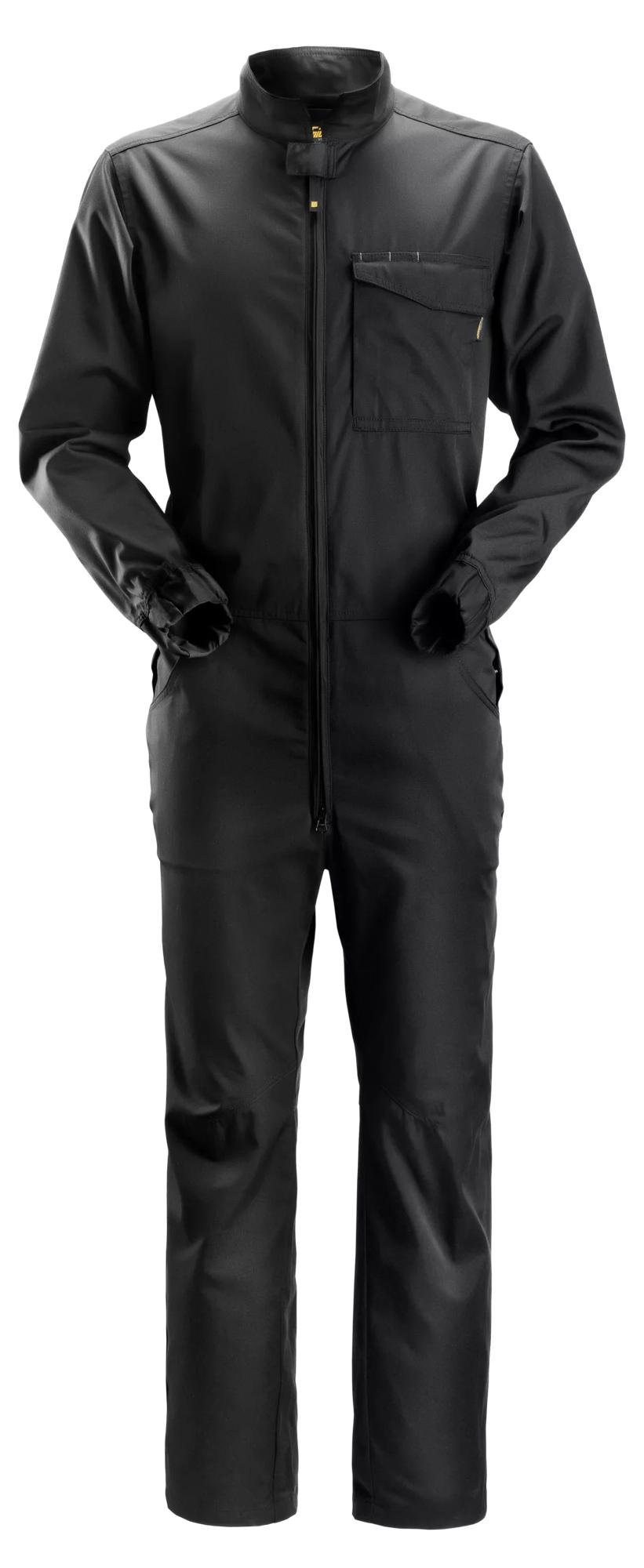
Coveralls & Bib Overalls
Coveralls, bib overalls, and two-piece alternatives support full-body workwear programs for production, maintenance, sanitation, and handling operations. Development can address closure style, pocket access, reinforcement, adjustable straps, size grading, branding, and material selection according to the work setting.
Request a Workwear Quote
Workwear Sets
Coordinated sets pair shirts, jackets, vests, trousers, or bib styles into a consistent uniform program. Align colors, trims, logo applications, labels, fit standards, and role-specific construction across processing, warehouse, delivery, maintenance, and management teams.
Request a Workwear Quote
High-Visibility Workwear
High-visibility garments can be developed as vests, jackets, trousers, coveralls, and coordinated sets with specified reflective tape placement and color layouts. Any visibility standard, material class, or certification requirement must be defined and supported by SKU-specific testing documentation.
Request a Workwear Quote
Flame-Resistant & Arc-Rated Wear
FR and arc-rated product development may include shirts, trousers, coveralls, jackets, and layered systems for relevant industrial roles. Fabric, construction, labeling, and protective targets are reviewed per project; ratings or compliance claims require exact test evidence and certification scope.
Request a Workwear Quote
Chemical-Protective Clothing
Chemical-protective clothing programs begin with the task, exposure type, required standard, and documented performance target. Veelianpro can develop garment forms, closures, seam approaches, hoods, cuffs, labels, and branding, while verified chemical protection depends on the specified material and test evidence.
Request a Workwear Quote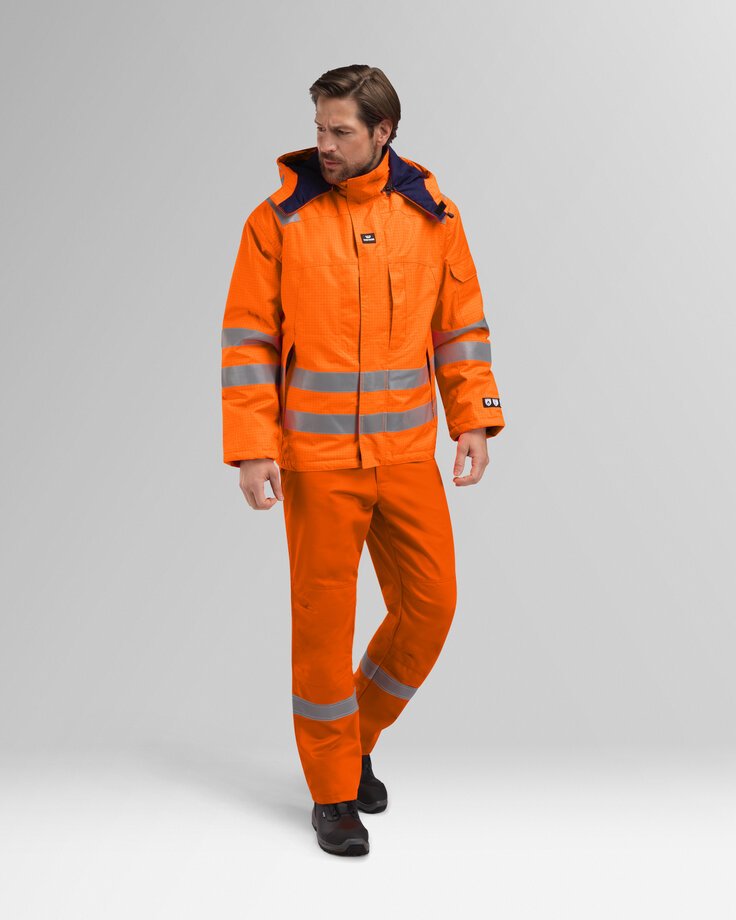
Cold-Storage Workwear
Cold-storage apparel can include insulated jackets, padded trousers, bib overalls, vests, and layering pieces for freezer rooms and cold-chain operations. Select insulation, shell fabric, lining, closures, cuffs, pockets, and branding during development; temperature performance requires project-specific verification.
Request a Workwear Quote
Welding Workwear
Welding wear can be developed as jackets, trousers, coveralls, aprons, and coordinated protective garments with selected fabric, reinforcements, closures, and pocket placement. Protective claims, flame resistance, and applicable standards must be supported by the exact finished SKU and documented testing.
Request a Workwear Quote
Medical & Cleanroom Wear
Medical and cleanroom programs cover scrubs, coats, tunics, trousers, and ESD-oriented garment families for hygiene-sensitive environments. Specify fabric composition, closure type, pocket requirements, color coding, size range, labels, and packaging; cleanroom or ESD performance requires appropriate validated materials and evidence.
Request a Workwear Quote
Chef & Hospitality Uniforms
Chef coats, kitchen shirts, aprons, trousers, and front-of-house uniforms can be aligned across food production, catering, canteens, and hospitality teams. Develop practical closures, pocket details, fabric selection, colorways, embroidery, woven labels, and custom packaging for the intended service environment.
Request a Workwear Quote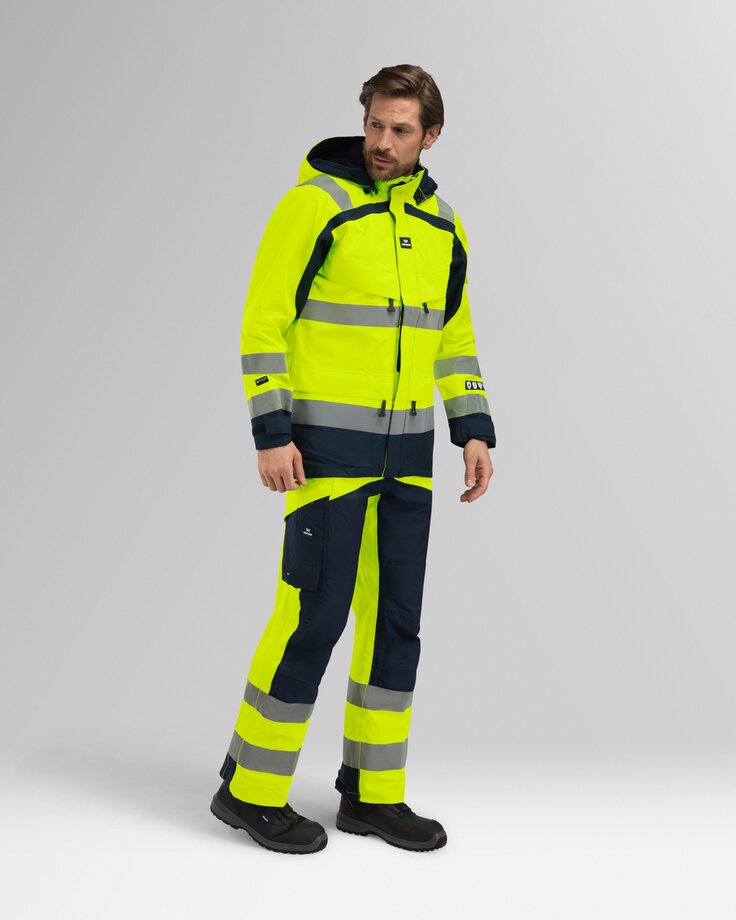
Industry Uniforms
Industry uniforms combine role-appropriate shirts, polos, trousers, jackets, vests, coveralls, and sets for manufacturing, logistics, maintenance, service, and distribution teams. OEM, ODM, private-label, and wholesale programs can start from a tech pack, sample, sketch, or product concept.
Request a Workwear Quote
Base Layers & Accessories
Base layers and accessories complete a workwear range with thermal layers, caps, beanies, neckwear, belts, gloves, and selected add-on items. Match fabric, color, labeling, logo treatment, packaging, and sizing to the core uniform program and operating environment.
Request a Workwear QuoteMaterials for Washdown, Processing, and Cold-Storage Roles




Meat Packing Workwear Manufacturer Customization Processes



Meat Packing Workwear Manufacturer Accessories for Controlled Environments


About Veelianpro, Your Meat Packing Workwear Manufacturer
Founded in 2012 according to our company profile, Veelianpro is a Wuhan, Hubei-based custom workwear manufacturer serving industrial, safety, hospitality, and service apparel programs. As a meat packing workwear manufacturer, we help buyers develop role-specific garment concepts from a tech pack, sketch, sample, or product idea.
Our stated operation includes more than 300 skilled workers and supports fabric and trim sourcing, pattern development, sampling, size grading, cutting, sewing, reinforcement, decoration, quality checks, packing, and export coordination. We develop shirts, jackets, vests, pants, coveralls, and coordinated sets for OEM, ODM, private-label, and wholesale buyers.
What differentiates Veelianpro is a practical development approach: buyers can align fabric, pocket configuration, closures, movement features, branding, sizing, and target order requirements before production. MOQ starts at 100 pieces per style and color, subject to fabric, certification, and construction requirements. Protective performance claims require SKU-specific test evidence and documentation.

Why Choose Veelianpro for Custom Meat-Packing Workwear
Tech-Pack to Production Pattern
Send a tech pack, sketch, reference sample, or product idea. Veelianpro reviews the construction brief, develops patterns, and aligns garment details before sampling so buyers can evaluate fit, function, and brand requirements before bulk production.
- Tech-pack and feasibility review
- Pattern development for chosen silhouettes
- Sample development before order confirmation
- Construction details aligned to role needs

Fabric and Trim Planning
Specify the intended processing environment, wash routine, garment weight, and required finishes. Our team helps source appropriate fabrics and trims, then plans practical details such as front closures, pocket configurations, reinforcement, labels, and branding methods.
- Fabric composition and weight discussion
- Trim and closure selection
- Pocket and reinforcement planning
- Private-label labels and packaging options

Grading for Mixed Crews
A meat packing workwear manufacturer must plan beyond a base sample. Veelianpro supports size grading and construction planning for mixed workforces, helping buyers define size ranges, movement needs, layering allowances, and consistent garment specifications for future reorders.
- Size range and grading support
- Fit planning for active roles
- Layering allowances for cold areas
- Consistent specifications for reorders

Quality Checks and Export Coordination
Before shipment, each order moves through agreed production checks, packing preparation, and export coordination. Provide the destination, quantity, timeline, and any required documentation early; protective performance claims require SKU-specific test evidence and certification scope.
- In-process and final quality checks
- Packing requirements reviewed per order
- Export coordination for international buyers
- Documentation assessed by project scope

Meat Packing Workwear Manufacturer vs. Off-the-Shelf Decoration
Compare development control, branding, and order conditions before choosing your sourcing route. Starting MOQ is subject to fabric, certification and construction requirements.
← Swipe left or right to view →
Meat Packing Workwear Manufacturer Production Process
A practical OEM workflow for developing hygiene-focused, role-specific uniforms from initial specification through repeat production.
Review Project Feasibility
Share garment types, work setting, fabric preferences, size range, branding, quantity, destination, timeline, and any required protection standards for an informed feasibility review.
Define Materials and Construction
Confirm fabric weight, composition, closure and pocket configuration, reinforcement, water resistance, insulation, trims, labels, and decoration details suited to each assigned role.
Develop Patterns and Samples
We prepare patterns, size grading, and samples for review, allowing buyers to assess fit, construction, materials, branding placement, and specification details before approval.
Confirm Quote and Order
After sample and specification confirmation, finalize the quotation, approved details, production quantity, packing requirements, and order terms before bulk manufacturing begins.
Produce and Inspect Garments
Our team coordinates cutting, sewing, reinforcement, finishing, decoration, and quality checks against approved specifications throughout bulk production for consistent execution.
Pack, Ship, and Reorder
Garments are packed to agreed requirements and prepared for export coordination, with approved specifications retained to support more consistent future reorder discussions.
How to Work With a Meat Packing Workwear Manufacturer
Move from concept to bulk production through a clear, specification-led sourcing process.
Send Your Brief
Send a tech pack, sketch, or concept with garment types, work setting, quantity, destination, timeline, and branding needs to Veelianpro, your meat packing workwear manufacturer.
Confirm Specifications and Sample
Review fabric, pocket configuration, closures, sizing, labels, and relevant protection requirements. Veelianpro develops patterns and samples so details can be evaluated before production.
Approve Your Quotation
Approve the confirmed sample and quotation, including quantity, packaging, delivery requirements, and project-specific terms. MOQ starts at 100 pieces per style and color, subject to requirements.
Launch Bulk Production
Confirm the order for material sourcing, cutting, sewing, quality checks, packing, and export coordination. Receive updates as your approved workwear program moves toward shipment.
Approved Buyer Feedback Will Appear Here


Meat Packing Workwear Manufacturer Scenarios
Illustrative scenario: A safety distributor developing cold-room outerwear shares zone temperatures, shift patterns, size range and branding. Veelianpro develops an insulated jacket sample with specified closures and cuff details for review against fit, mobility, wash-care and approved logo-placement criteria.
Illustrative scenario: A uniform buyer needs separate garments for wet processing and packing teams. The development brief defines coverage, controlled pocket placement, fabric preferences and color coding; sample approval focuses on measurements, closure function, construction consistency and compatibility with the facility’s garment-handling process.
Illustrative scenario: A workwear brand needs to turn a sketch into a private-label meat-packing collection without leaving construction decisions open at bulk-order stage. Veelianpro proposes patterns, graded sizes, and a pre-production sample; intended acceptance criteria cover measurements, label copy, packaging, seam reinforcement, trim selection, and any separately documented protection requirement.
Meat Packing Workwear Manufacturer FAQ
Practical answers for sourcing custom, hygiene-focused workwear programs from Veelianpro.
What is the minimum order from a meat packing workwear manufacturer?
Can a meat packing workwear manufacturer make a sample before bulk production?
What specifications should I request for washdown-oriented meat-processing uniforms?
Can a meat packing workwear manufacturer supply freezer jackets and processing uniforms together?
How do you handle private labels, logos, and packaging?
What lead time and payment terms should buyers expect?
Can Veelianpro make certified protective garments for meat-packing operations?
How can I protect my design and keep future reorders consistent?
Meat Packing Workwear Manufacturer: A Buyer’s Guide
Use this framework to match workwear to hygiene zones, cold and wet tasks, customization needs, supplier evaluation, and approval controls while avoiding costly specification, sampling, and quote-scope mistakes.
1. What Is a Meat Packing Workwear Manufacturer?
Meat-packing workwear sits where people, product, moisture, temperature, and cleaning routines meet. A manufacturer can develop garments by task and zone, specifying coverage, closures, pocket treatment, cuff control, fabrics, and reinforcement while preserving the movement needed for bending, reaching, and lifting.
For meat-packing sourcing, Veelianpro can develop custom shirts, trousers, coveralls, two-piece suits, jackets, vests, and related workwear from a tech pack, sample, sketch, or product idea. Buyers should define the work zone, exposure, garment-handling process, branding, size range, destination, and any required protection evidence. The stated starting MOQ is 100 pieces per style and color, subject to fabric, certification, and construction requirements.
The choice is not simply lightweight versus insulated. Cold rooms may need a layering plan, wet handling may call for separately specified outer coverage, and higher-hygiene areas may call for fewer nonessential features. For food-processing personnel who handle product, outer clothing should be disposable or readily cleanable, clean at the start of the workday, and changed as necessary to prevent contamination (Eagle Protect, https://eagleprotect.com/blogs/articles/protective-clothing-customized-for-food-processing). Any protective performance remains a design target until the exact material, test evidence, and certification scope are confirmed.
A workable program also aligns garment development with the facility’s own changeout, laundering, storage, and replacement rules. This avoids forcing one generic uniform onto incompatible jobs such as packaging, sanitation, chilled handling, and maintenance.
2. Meat Packing Workwear by Zone and Task
A meat packing workwear manufacturer should map garments to the zone, not issue one uniform across every task. Coverage, change speed, moisture exposure, and temperature shifts determine the practical base layer.
| Zone Or Task | Typical Garment | Why It Fits | Separate Requirement |
|---|---|---|---|
| Receiving | Two-piece set | Replace individual pieces | Wet-task PPE as specified |
| Cutting | Coat or coverall | Consistent body coverage | Knife-related PPE as specified |
| Sanitation | Apron and sleeve protection | Replaceable outer coverage | Chemical controls as specified |
| Cold storage | Insulated outer layer | Adds warmth over base uniform | Temperature requirement defined by buyer |
| Visitors | Coat or coverall | Temporary controlled coverage | Site entry procedure |
Receiving And Cutting
Two-piece work suits allow trousers or tops to be replaced separately after wet, dirty receiving tasks. For cutting roles, pair the uniform with the facility-specified task PPE; a coat or coverall does not itself establish cut protection.
Processing And Packaging
Processing teams often need stable coverage with easy movement, while packaging and quality-check roles may favor lightweight coats over their assigned clothing. Select closures, pockets, and branding placement around the site’s hygiene procedure rather than treating them as universal features.
Sanitation And Wet Work
Aprons and sleeve protection add a replaceable outer barrier where splash or washdown contact is expected. Specify the actual liquid exposure, cleaning routine, and required PPE separately; workwear alone is not a chemical-protection claim.
Cold Storage And Maintenance
Insulated outer layers suit cold-area transitions when the buyer defines the operating conditions and layering plan. Maintenance crews may need different pocket access and mobility than product-handling teams, so keep their garment brief separate.
Visitor Coverage
Visitor coats or coveralls make temporary identification and controlled coverage simpler. Confirm the facility’s visitor, changing, and disposal or laundering rules before selecting reusable or single-use items.
3. Materials for Meat Packing Workwear Manufacturer Orders
A meat packing workwear manufacturer should build the fabric brief around the zone’s wash cycle, moisture exposure, and temperature—not a single all-purpose cloth. Approve fabric swatches and a finished sample after the intended cleaning method is defined.
| Option | Functional Trade-Off | Suitable Zone | Buyer Approval Point |
|---|---|---|---|
| Washable woven base | Reusable; laundering controls matter | General processing | Composition and wash method |
| Insulated layer | Warmth versus mobility | Cold storage | Layering sample and task range |
| Wet-area outer layer | Coverage and mobility trade-off | Wet handling or sanitation | Reuse, drying, and closure design |
| Simplified surface construction | Fewer nonessential details versus garment function | High-hygiene production | Review of seams, closures, and retained-detail areas after laundering |
Washable Base Fabrics

For reusable coats, trousers, and coveralls, compare fiber composition with construction stability after repeated laundering. Food-handling outer clothing should be disposable or readily cleaned, with clean garments used at each workday’s start: https://eagleprotect.com/blogs/articles/protective-clothing-customized-for-food-processing
Insulation And Breathability
For cold-storage teams, define the temperature range, time spent in the area, activity level, transition frequency, and layers worn underneath before selecting an outer layer. Review the sample during the intended movements; excessive bulk can reduce reach and comfort, while an insufficient layer may not suit the buyer’s defined conditions.
Wet Area Coverage
For splash or wet handling, define the required outer coverage separately from the washable base garment. Confirm whether the layer is reusable, its drying and changeout process, and whether its seams, closures, and cuffs fit the facility’s hygiene procedure. Do not describe the finished garment as water-resistant or waterproof unless the specified material and finished construction are supported by applicable evidence.
4. Hygiene-Focused Design and Construction Details
Hygiene-oriented construction starts with controlling openings and detachable details while preserving the movement needed for repetitive handling. Specify each detail against the facility’s garment-handling rules and the wearer’s task, rather than treating a standard work jacket as a food-area solution.
Closures, Cuffs, And Collars
A gaping front closure, loose cuff, or open collar can expose underlying clothing and catch on nearby equipment. Select a closure layout that sits flat when bent, and define cuff and collar coverage in the approved sample.
Hoods and higher collars can add coverage where the facility requires them, but excess bulk around the neck can become uncomfortable during a full shift. Check range of head and shoulder movement while wearing any required headwear.
Pockets And Loose Components
Open chest pockets, hanging cords, decorative tabs, and unsecured badges create collection points and snag risks. Place storage only where the task genuinely needs it, close or cover it where appropriate, and remove nonessential trim from the brief.
Branding should be specified as an integrated decoration method and placement, not an added loose accessory. Confirm labels, patches, and closure components during sampling.
Seams And Cleanable Surfaces
Bulky seam intersections and exposed seam allowances can retain residue and make visual checks harder. Request a consistent seam finish suited to the garment construction, with reinforcement located where repeated movement loads the garment.
Avoid detail combinations that create deep folds around pocket edges, plackets, or cuff joins. The sample should be reviewed after normal trial wear and the planned cleaning process.
Color Zoning And Movement
Color zoning can distinguish departments or garment components, but complex contrast panels add joins and approval points. Keep zones purposeful and document exact panel boundaries in the tech pack.
A restrictive back, tight underarm, or poorly positioned gusset encourages wearers to alter closures or roll cuffs. Pattern development can incorporate movement room, gussets, and reinforcement without adding unnecessary loose elements.
5. Customization for Meat Packing Workwear Manufacturer Programs
Customization should turn a program brief into repeatable production information, not add decoration after a garment is chosen. Veelianpro can develop from a tech pack, sketch, sample, or reference garment, then align identity details with the intended meat-packing work zone.
| Customization Element | Production Input | Hygiene-Sensitive Check |
|---|---|---|
| Color system | Pantone or approved swatch | Zone meaning supplied by buyer |
| Logo application | Artwork, dimensions, placement | No unnecessary loose components |
| Labels | Care and brand copy | Readable, securely specified |
| Sizing | Size chart and grading rules | Fit over intended layers |
Color Systems And Zone Coding
Assign colors by department or controlled zone only when the facility’s own hygiene plan defines the meaning. Record the color, contrast panels, and any trim in the tech pack.
Keep color coding separate from protection decisions. A cold-area layer or wet-task outer garment still needs its own construction and material brief.
- Base garment color
- Contrast-panel location
- Zone or role designation
Branding Without Hygiene Conflicts
Place logos where they remain visible without adding loose, snag-prone, or difficult-to-clean features. Embroidery, screen printing, heat transfer, patches, woven labels, care labels, and custom packaging can be specified.
Confirm artwork size, colors, placement, and backing method on the approval sample. Avoid treating a decorative option as evidence of hygiene or protective performance.
Sizing Artwork And Samples

A usable brief includes size range, grading rules, artwork files, label text, and reference-garment observations. Mark which measurements are critical for layering or task movement.
Approve the sample against the signed specification before bulk production. Record approved measurements, construction details, decoration placement, labels, and packing so the bulk order has one controlled reference.
Illustrative Procurement Scenario
Illustrative procurement scenario — Safety Distributor: the buyer submits a white two-piece uniform reference, a cold-area jacket sketch, logo files, size chart, destination, and target quantities. The brief separates brand labels from pocket, closure, and cuff decisions required by the end user’s hygiene process.
The approval sample checks logo placement, grading, color, construction, and label copy. Any requested protective claim remains a design target until supported by the applicable test evidence and certification scope.
6. Wear, Washing, and Replacement Considerations
Repeated washing, wet handling, cold-room transitions, abrasion, and long shifts change how a garment ages. Specify lifecycle expectations alongside the garment design so a worn item is removed before hygiene, comfort, or construction becomes a problem.
| Wear Condition | Likely Effect | Lifecycle Control |
|---|---|---|
| Repeated washing | Construction and closure stress | Approve wash-compatible sample evaluation |
| Wet work | Saturation and quicker abrasion | Define changeout and drying handling |
| Cold-area transitions | Layer comfort changes across zones | Assign garments by zone and shift |
| Long shifts | Cuff, knee, and seat wear | Inspect designated high-wear points |
Plan Around The Wash Cycle
Frequent cleaning can expose shrinkage, seam stress, fading, and closure wear that a brief sample trial will not reveal. Select fabrics and construction only after confirming the facility’s wash method, chemicals, drying conditions, and expected change frequency.
Document the facility’s garment-handling requirements separately, including issue of clean garments, collection of used garments, and changeout triggers. The supplied FSIS page establishes sanitation performance standards but does not provide sufficient readable garment-specific support for a more detailed workwear claim here.
Separate Clean And Used Garments
A garment program needs a defined handoff from changing room to production, then from used collection to laundering or disposal. Clean stock should not share storage, carts, lockers, or transport containers with worn garments.
Set changeout triggers for visible soiling, saturation, damage, cross-zone movement, or any facility-specific hygiene event. These are facility rules to establish with the food-safety and garment-handling teams.
- Clean issue point and used-garment collection point
- Named container or bag for each stream
- Documented response to contamination events
Inspect Before Repair Or Replacement
Inspect high-wear points where wet work and movement concentrate stress: cuffs, closures, knees, seat seams, pocket edges, and reflective tape if specified. A repair policy should state which defects are repairable and which require removal from service.
Worked example: a weekly inspection can separate a loose bartack suitable for repair from a torn cuff that exposes an unsuitable edge. The facility, not Veelianpro, should own its inspection records and replacement decisions.
7. How to Choose a Meat Packing Workwear Manufacturer
A capable meat packing workwear manufacturer turns zone-specific requirements into controlled garments, samples, and production instructions. Compare evidence, not broad product lists: the decision is whether the factory can reproduce the approved specification consistently.
| Selection Area | Evidence To Request | Why It Matters |
|---|---|---|
| Pattern and sizing | Sample measurements and grading details | Reduces fit drift across sizes |
| Customization | Artwork, placement, label, and packaging specifications | Prevents incorrect branding or presentation |
| Quote | Fabric, trims, construction, packing, and export scope | Makes supplier quotations comparable |
Verify Development Scope
Ask for the development route from tech pack, sketch, reference sample, or product idea through pattern work, size grading, fabric and trim selection, sampling, and bulk production.
At Veelianpro, buyers can develop coats, coveralls, two-piece suits, trousers, jackets, and vests with specified pocket systems, closures, reinforcement, and branding.
- Request a marked tech pack or construction sheet
- Confirm fabric and trim options by garment zone
- Approve a size chart and graded measurements
Control Sample Accuracy
A sample should test more than appearance. Inspect fit, closure operation, pocket placement, seam construction, label placement, and whether the chosen fabric behaves as intended after the facility’s planned care process.
Record every approved change in a revision-controlled specification. A verbal logo-position approval is difficult to reproduce when artwork, dimensions, and placement references are absent.
- Approved sample reference
- Measurement tolerance agreement
- Logo artwork and placement file
- Written revision record
Review Production Evidence
Ask how cutting, sewing, reinforcement, decoration, finishing, quality checks, packing, and export coordination connect to the approved sample. The useful answer identifies checkpoints and the records supplied with the order.
Protection requests require the applicable standard plus exact test or certificate scope from the buyer; a design target is not a documented performance claim. Define carton marks, folding, individual bags, assortments, and destination requirements before quotation.
- Inspection checkpoint list
- Packing specification
- Quote exclusions and inclusions
8. Common Meat Packing Workwear Sourcing Mistakes
Mistakes usually begin when a purchasing brief treats meat packing as one environment. The following are illustrative procurement examples, not Veelianpro performance promises; correct them before sampling and quotation.
Avoid One-Zone Specifications
A single jacket-and-trouser specification can leave cold-room staff restricted and wet-handling teams under-covered.
Split the brief by zone, task, splash exposure, and required coverage; assign outer layers or aprons where the operation requires them.
Balance Warmth And Movement
Insulation selected only for warmth can interfere with reaching, bending, and repetitive handling.
Review mobility in the intended layers, including sleeve movement, seat ease, and the fit of any waterproof outer coverage before approving the sample.
Set Construction Before Branding
A logo approval cannot resolve unsuitable closures, exposed pocket openings, or loose trim after bulk production starts.
Freeze the garment construction first, then approve decoration position, label content, and packaging against the finalized sample.
Compare Complete Quotations
A low quote may omit fabric, trims, sampling, decoration, packing, inspection, or export coordination.
Request matching line items and written sample tolerances for measurements, color, logo placement, and construction. Compare supplier quotes only after the same style, fabric, construction, quantity, packing scope, destination, and Incoterm are stated.
9. From Brief to Bulk Order: Approval Steps
A bulk order moves cleanly when the factory receives one approved decision set rather than separate emails. Build that set around zones, wearer tasks, garment construction, identification, and measurable acceptance checks.
Map Zones And Wearers
List each work zone, wearer role, headcount, and garment combination. Separate cold-storage layers, wet-processing coverage, packing-area uniforms, and visitor garments so one specification does not blur different needs.
- Zone and task
- Garment coverage
- Hazard or hygiene requirement
- Wearer count and size range
Freeze The Specification
Send Veelianpro a tech pack, sketch, reference sample, or product idea with fabric composition and weight, closures, cuffs, pockets, reinforcement, color, and branding locations. Confirm artwork dimensions, label text, care-label requirements, and packing method before sampling.
State the quantity by style and color with the inquiry, then confirm whether the proposed fabric, certification, and construction affect feasibility or minimums.
Approve Sample And Acceptance
Review the prototype or pre-production sample against fit, mobility, stitch consistency, decoration placement, labels, and packaging. Set inspection acceptance in writing: approved sample reference, measurement tolerances, defect classification, quantity count, and carton-mark requirements.
Worked example, not a requirement: for 120 packing-area wearers, a buyer may allocate 24 S, 48 M, 36 L, and 12 XL garments. Reconcile that run against actual wearer data before confirming bulk quantities.
10. Meat Packing Workwear Manufacturer Cost Drivers
A meat-packing uniform quote changes first with the garment platform: a simple coat, two-piece set, coverall, insulated jacket, or wet-area outer layer does not use the same material, labor, closures, or packing. For a like-for-like comparison, align the approved tech pack, fabric composition and weight, insulation or outer-layer requirement, logo artwork, size breakdown, packing method, sampling scope, inspection requirements, destination, and Incoterm.
Protective performance requested for cold, wet, chemical, flame, or arc exposure must be quoted against the buyer’s exact required standard and test or certificate scope. A development target is not a documented rating.
| Cost Driver | What Changes Cost | Quote Must Specify |
|---|---|---|
| Garment type and material | Coverage, fabric composition and weight, insulation, weather protection, and lining layers. | Style, work zone, fabric target, thermal or wet-use need. |
| Construction and components | Pocket layout, gussets, reinforced knees, bartacks, triple stitching, cuffs, closures, and reflective tape placement. | Approved construction details, closure type, trim color, and placement. |
| Branding and presentation | Embroidery, screen printing, heat transfer, patches, woven and care labels, plus custom packaging. | Artwork, dimensions, locations, label copy, folding, bagging, and carton requirements. |
| Sampling, sizes, and quantity | Pattern development, size grading, sample revisions, mixed size distribution, and total pieces affect setup and production planning. | Size chart, quantity by size/color, sample approval path, and reorder expectations. |
| Destination requirements | Export coordination, packing rules, requested inspection, and destination-specific documentation change quote inclusions. | Ship-to location, Incoterm, required documents, inspection scope, and target timeline. |
11. Meat Packing Workwear Buyer FAQs
What is essential for cold areas? Define the temperature range, time in the area, activity level, transition frequency, and layers worn underneath. Select and trial the outer layer against those buyer-defined conditions; footwear and gloves belong in the site’s separate task assessment. How should layers vary by zone? Specify the garment combination for each zone, including any cold-area outer layer, and review mobility during actual task movements.
What covers wet handling and sanitation? Define the necessary outer coverage, changeout routine, and cleaning or disposal process for the task. For people who handle product, outer clothing should be disposable or readily cleanable, clean at the start of the workday, and changed as needed to prevent contamination (Eagle Protect, https://eagleprotect.com/blogs/articles/protective-clothing-customized-for-food-processing). How can contamination-sensitive details be minimized? Limit nonessential loose accessories and exposed pockets, then define cuff, closure, and pocket requirements through the facility’s hygiene plan.
Does knife work make a uniform cut-resistant PPE? No. Define knife protection separately through the site’s hazard assessment and required PPE evidence; do not treat an untested coat, apron, or sleeve as a cut-protection claim. What must pass sample approval? Approve fabric, coverage, size grading, logo placement, pocket and closure details, laundering observations, and packing against the signed specification before bulk production.
Talk to a Meat Packing Workwear Manufacturer Today
Send your garment type, work setting, fabric, sizing, branding, quantity, destination, and timeline to begin a quote or sampling discussion.