Metal-Free Shirt Manufacturer for Custom Workwear
Veelianpro develops OEM, ODM and private-label metal-free work shirts, with sampling and MOQ from 100 pieces per style and color, subject to project requirements.
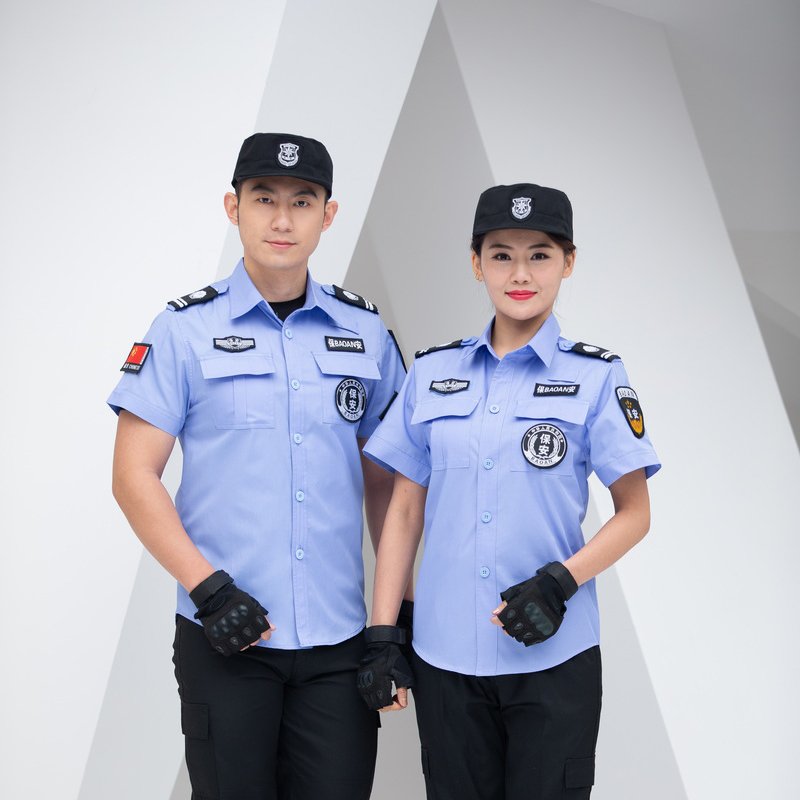
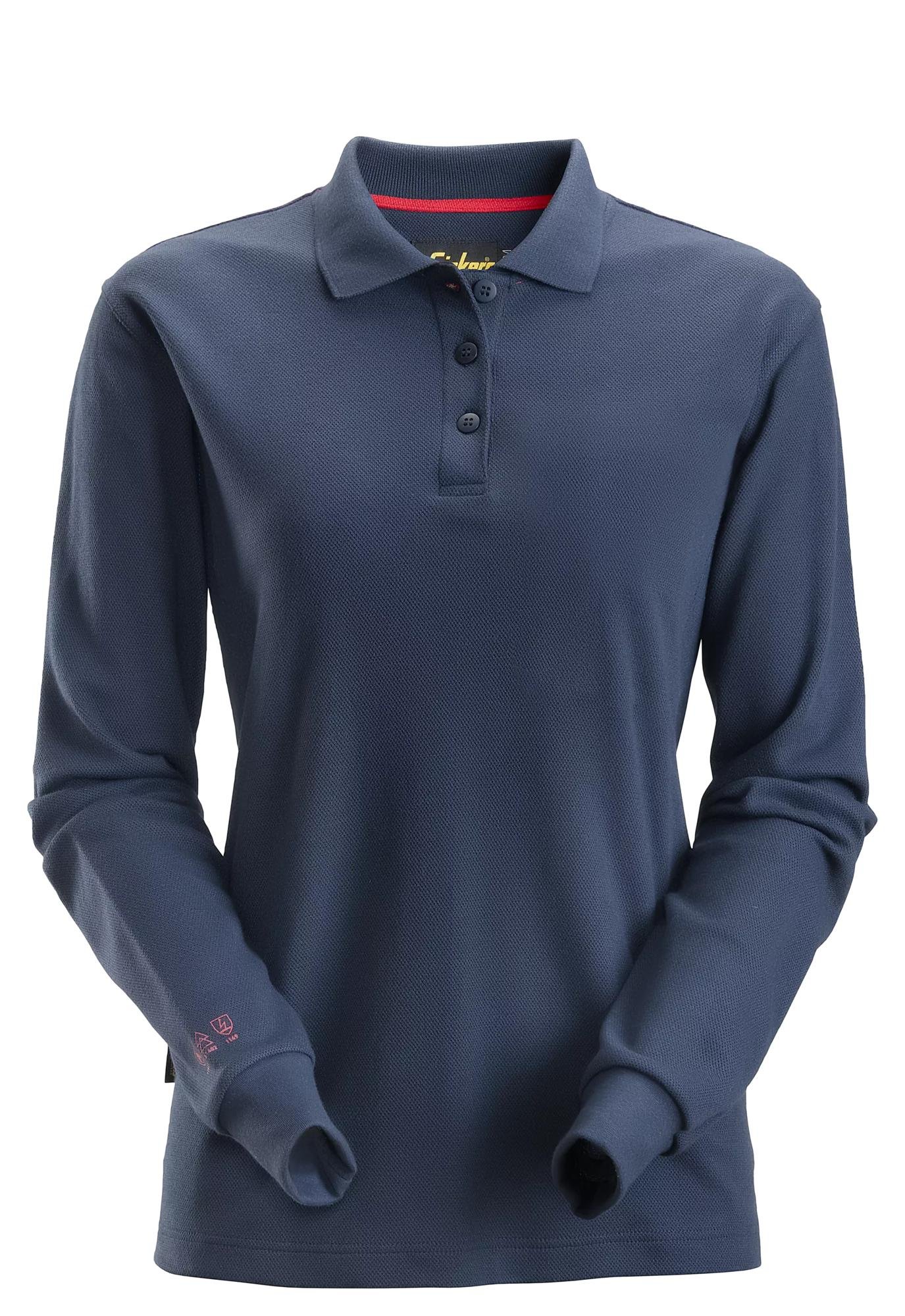
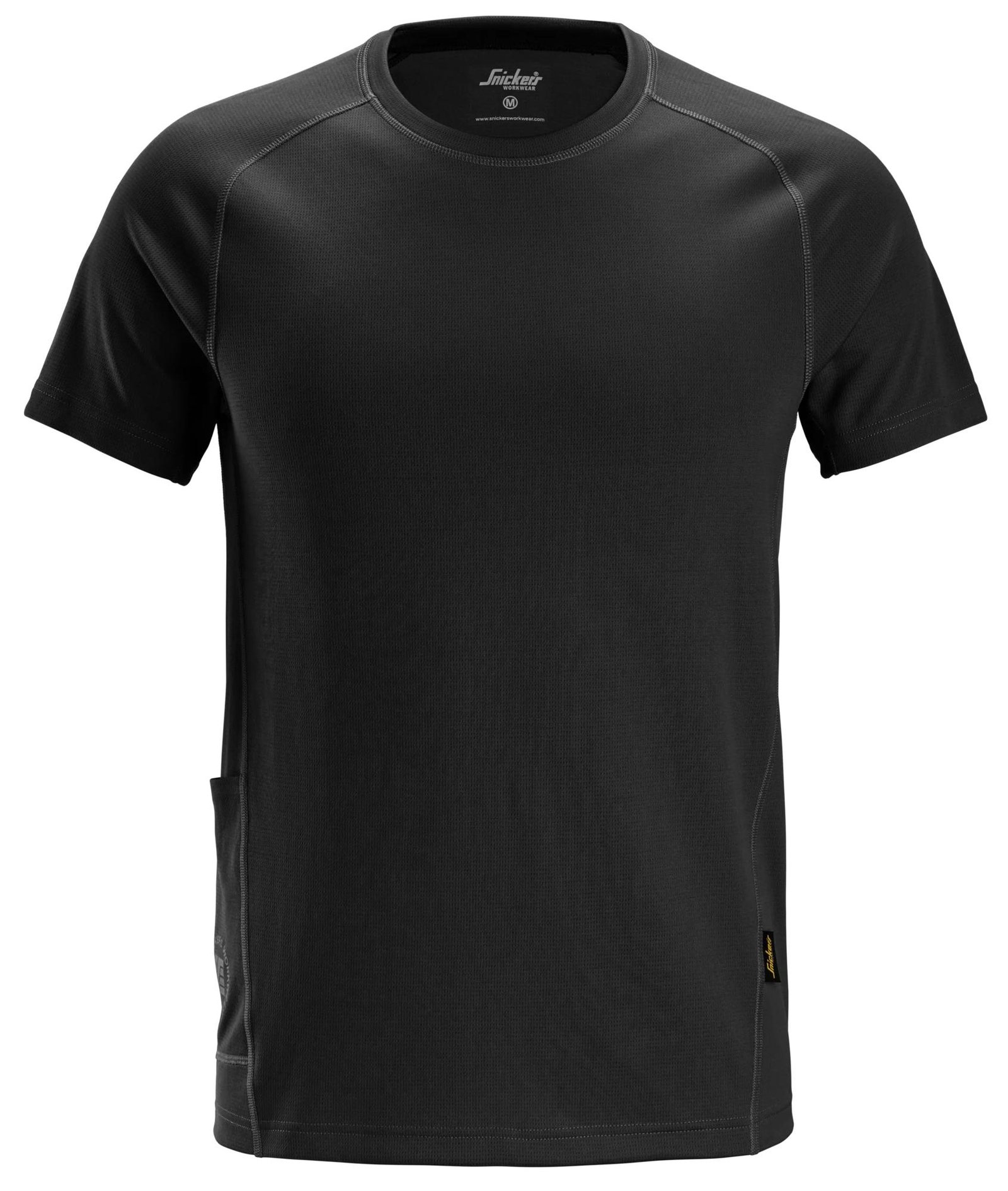
Featured Metal-Free Work Shirt Development References




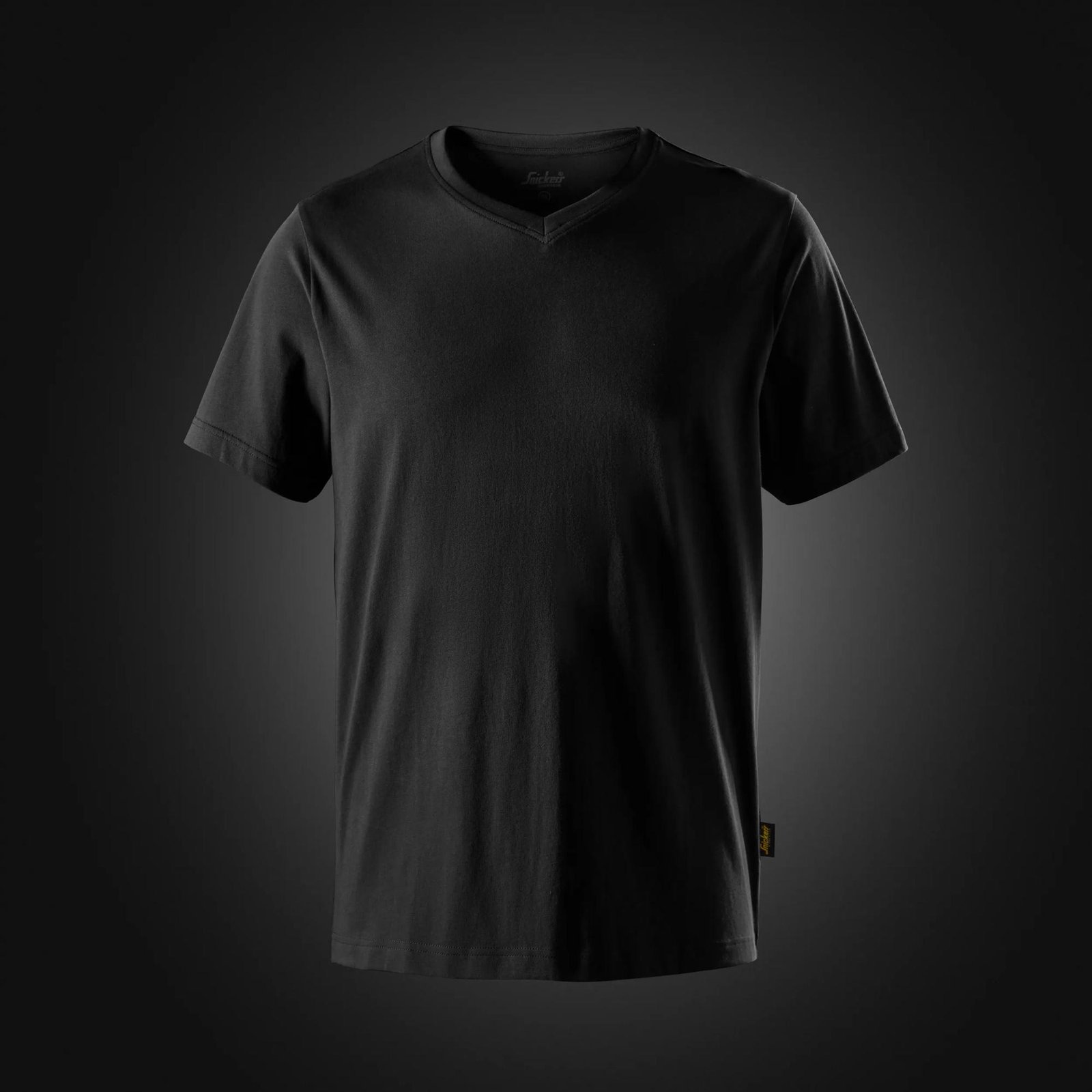
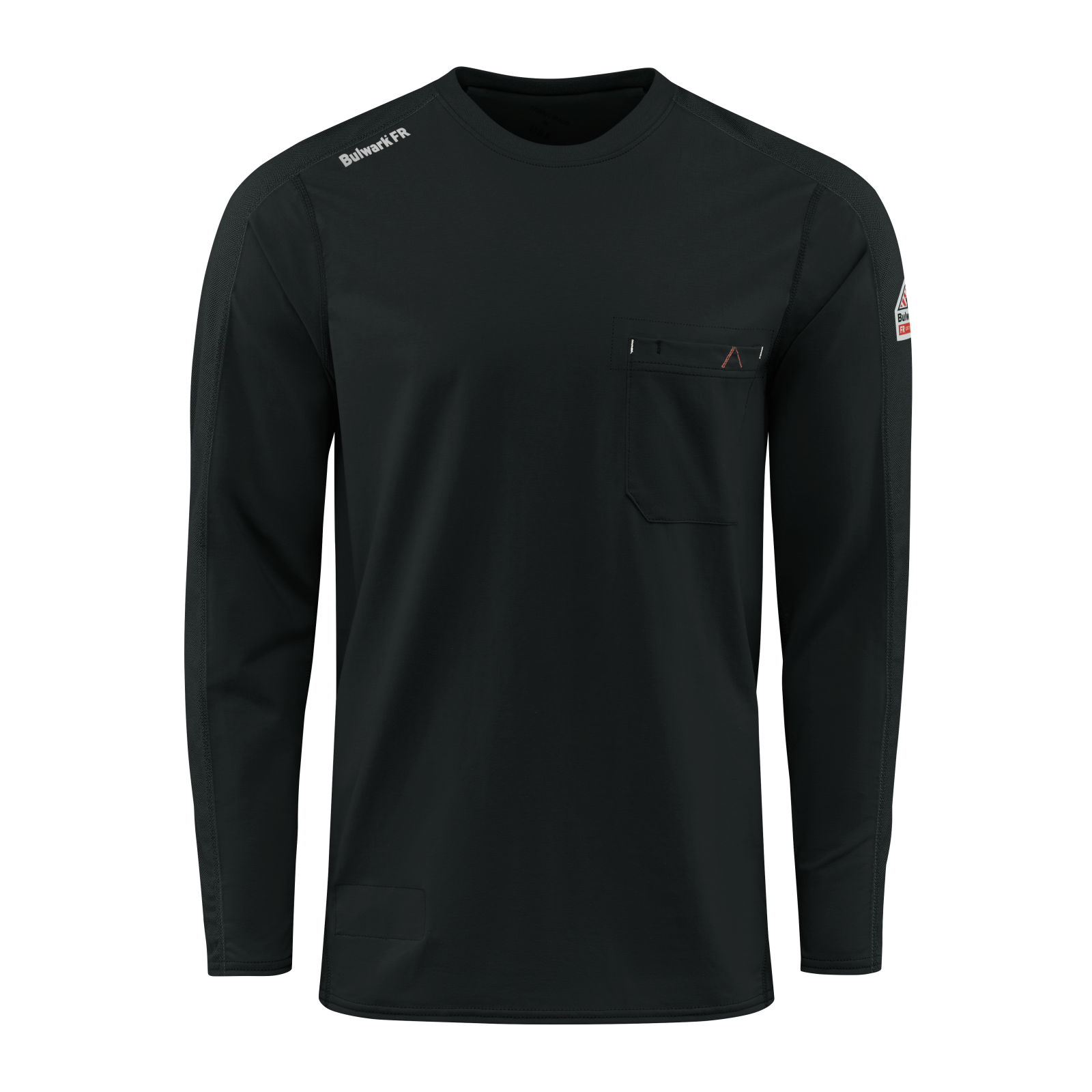
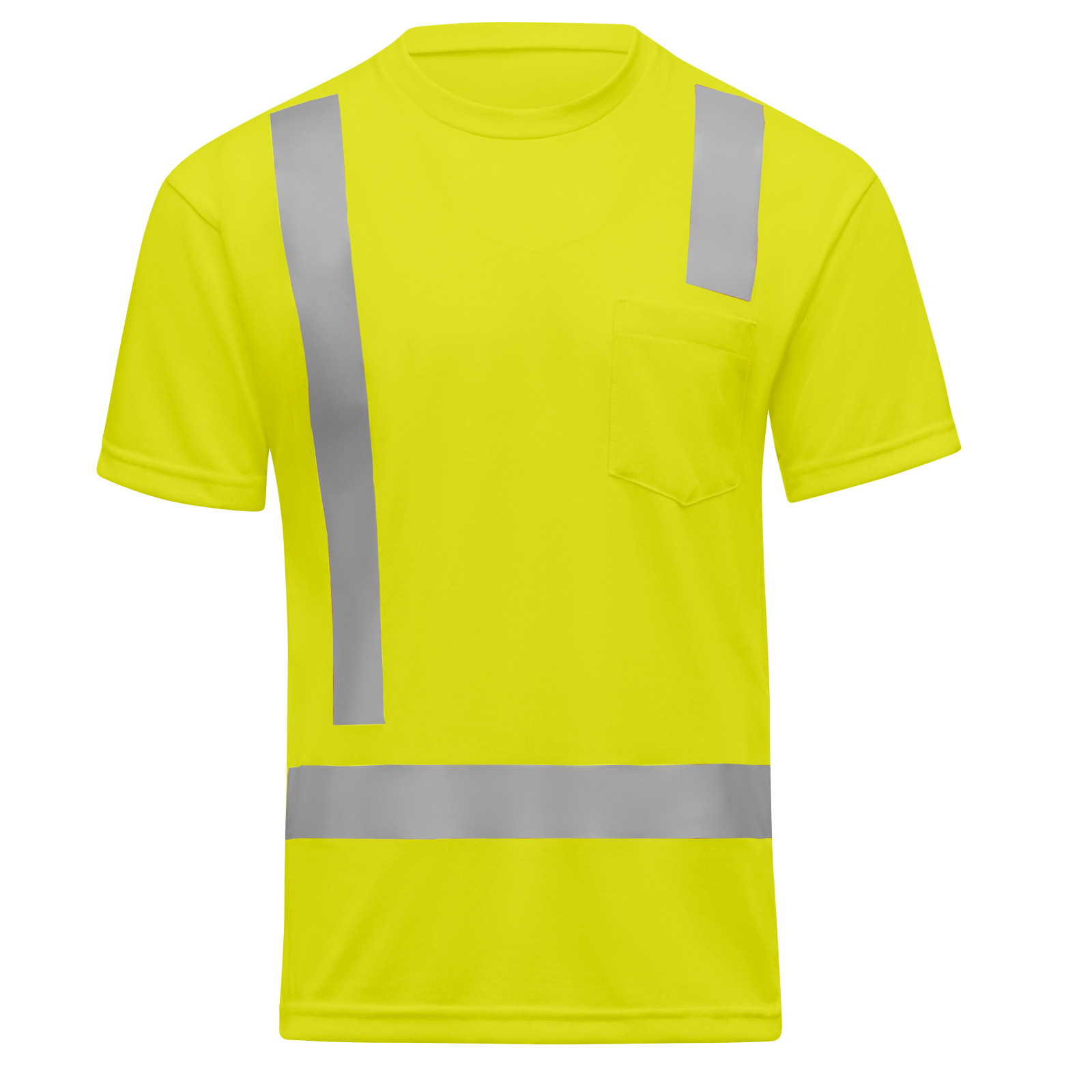


Metal-Free Work Shirt Catalog and Quote Request



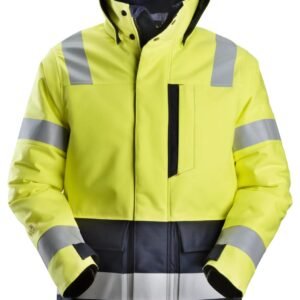


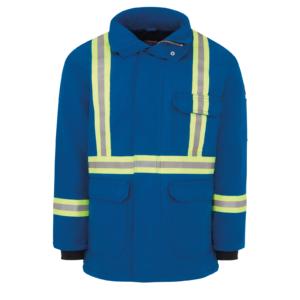
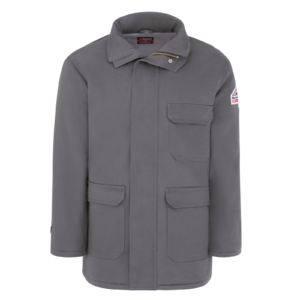
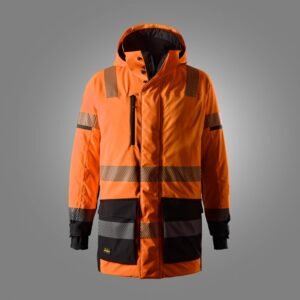

Why Choose Veelianpro as Your Metal-Free Shirt Manufacturer
Develop custom work shirts with component-level review, approved samples, private-label details and repeatable production specifications.
Component-Level Review
Review buttons, closures, zippers, snaps, eyelets, labels and branding details to define a metal-free construction before sampling.
Custom Shirt Development
Start from a tech pack, sketch, reference sample or product idea with support for fabric selection, patterns, fit and construction.
Approval Samples
Confirm the intended metal-free bill of materials, closure choices, fit and workmanship on a sample before bulk production begins.
Private-Label Integration
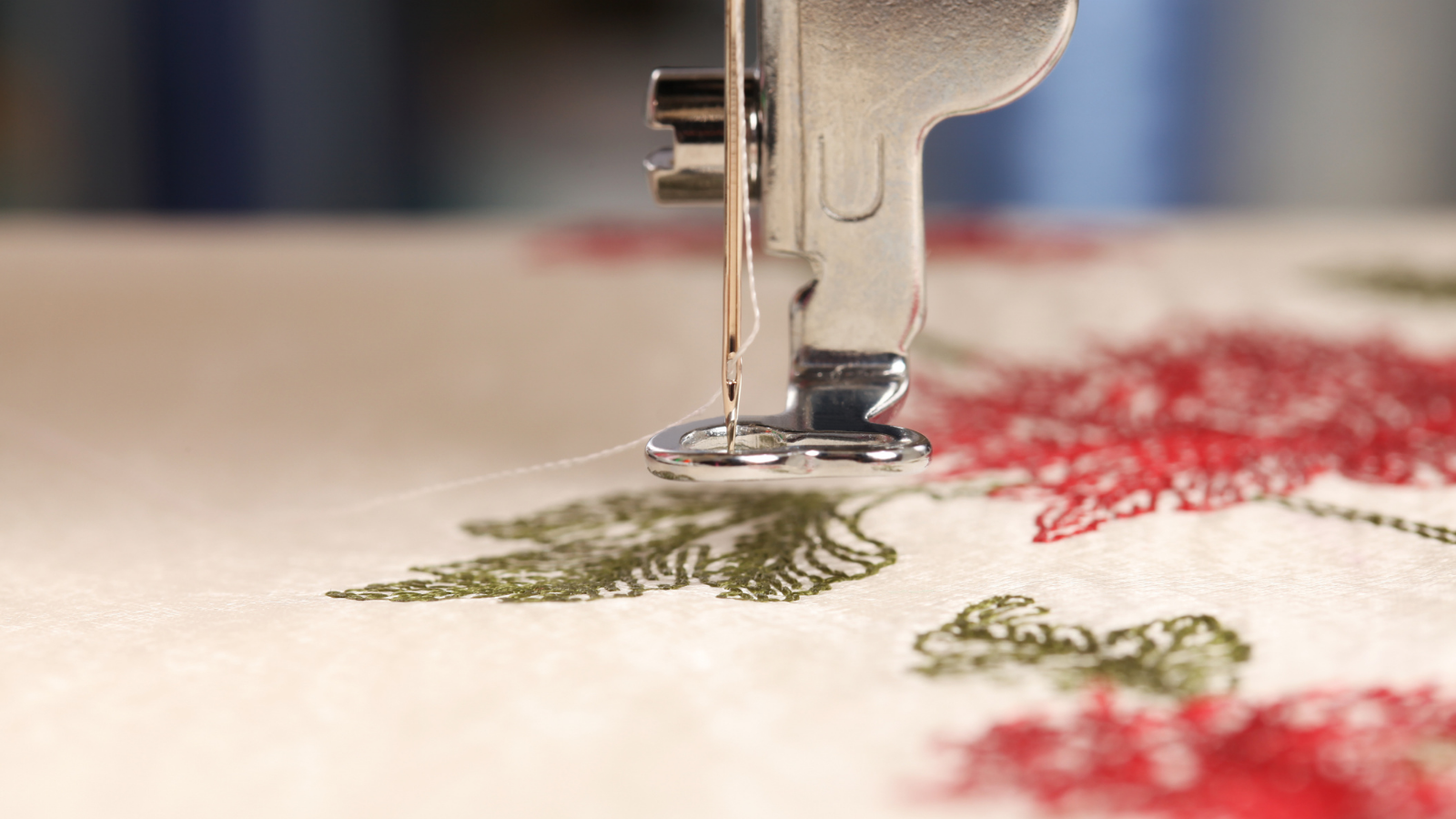
Add embroidery, printing, patches, woven labels, care labels and custom packaging while reviewing every specified component for compatibility.
Documented Specifications
Keep approved fabrics, trims, construction details and branding requirements organized for clearer production communication and repeat-order consistency.
Flexible Production Support
Access OEM, ODM, private-label and wholesale workwear production from 100 pieces per style and color, subject to project requirements.
Metal-Free Workwear for Industrial Teams
Develop coordinated uniforms around site access, job demands, branding, and reliable replenishment—from metal-free shirts to specialized protective garment families.
Work Shirts
Custom work shirts developed for industrial teams, including metal-free construction options for security-sensitive sites. Specify fabric weight, collar and pocket layout, closures, reinforcement points, size range, colors, and branding for an OEM, ODM, private-label, or wholesale program.
Request a Workwear Quote
T-Shirts & Polos
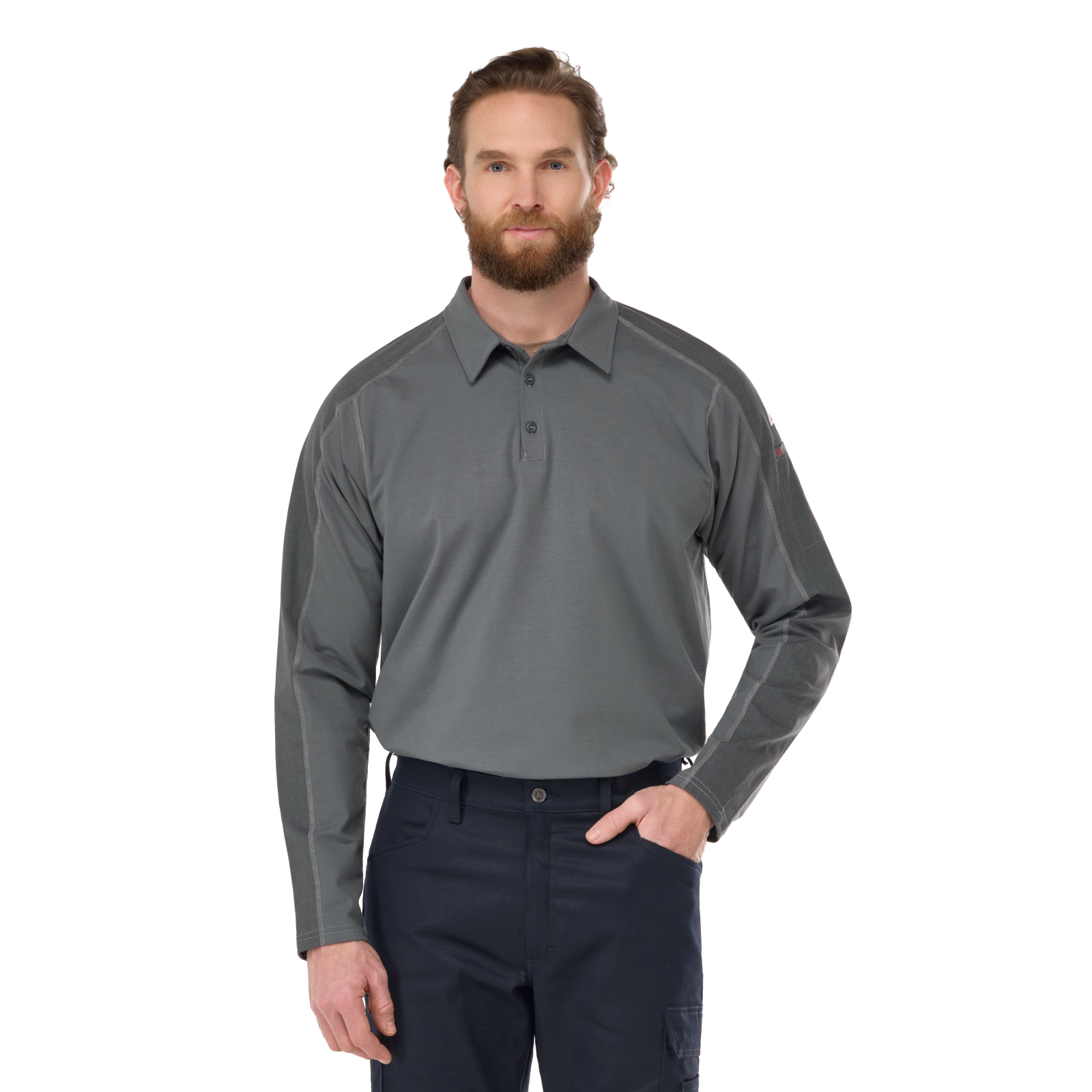
Custom work T-shirts and polo shirts for crews, service teams, and branded uniform ranges. Choose fabric composition and weight, neck or collar construction, color matching, size grading, embroidery, printing, labels, and packing to suit daily wear requirements.
Request a Workwear Quote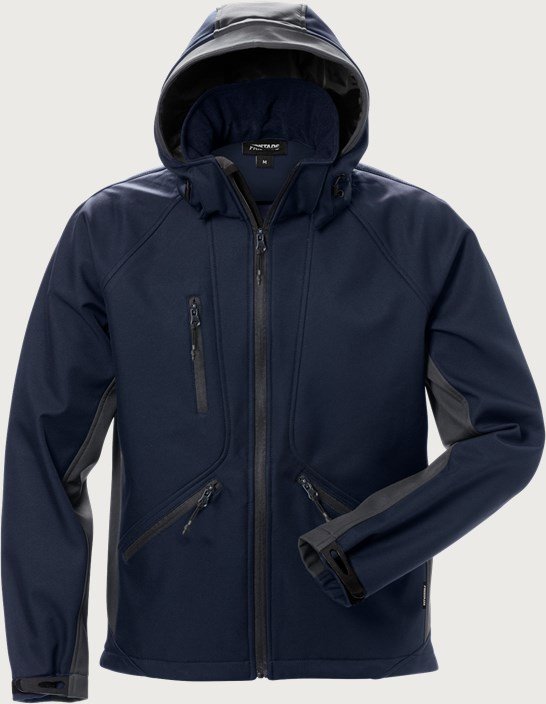
Work Jackets & Outerwear
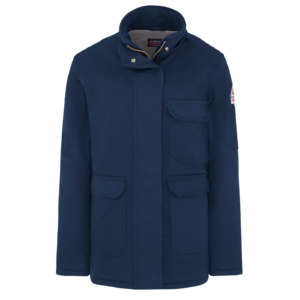
Custom work jacket development for softshell, fleece, padded, rain, and layered outerwear programs. Define weather exposure, insulation expectations, pocket systems, hood or collar details, closure type, reinforcement, reflective-trim placement, and branding before sampling.
Request a Workwear Quote
Work Vests & Bodywarmers
Custom work vests and bodywarmers designed for flexible layering, site identification, and carrying essentials. Buyers can develop utility, insulated, softshell, or safety-vest concepts with specified pockets, closures, fabric choices, logo application, and coordinated colors.
Request a Workwear Quote
Work Pants & Shorts
Custom work pants and shorts built around movement, storage, and jobsite wear. Discuss fabric, fit, waistband, cargo-pocket configuration, reinforced knees, gussets, bartacks, triple stitching, length options, size grading, and decoration requirements before production.
Request a Workwear Quote
Coveralls & Bib Overalls
Custom work coveralls and bib overalls for maintenance, industrial, utility, and workshop applications. Development can include coverall or bib construction, access openings, pocket layouts, reinforcement, fabric sourcing, sizing, branding, and packing based on the intended work setting.
Request a Workwear Quote
Workwear Sets
Custom workwear sets pair shirts, jackets, vests, pants, or coveralls into consistent team uniforms. Align fabrics, colors, trims, branding, size ranges, and replenishment needs across the set, then confirm samples and order details before bulk production.
Request a Workwear Quote
High-Visibility Workwear
High-visibility workwear programs can be developed with garment color, contrast panels, reflective-tape placement, and construction suited to the intended environment. Required visibility standards, tests, and certificate scope must be provided and verified for the specific SKU.
Request a Workwear Quote
Flame-Resistant & Arc-Rated Wear
FR and arc-rated workwear development starts with the required standard, fabric specification, test documentation, and garment design. Veelianpro can discuss shirts, pants, coveralls, and outerwear, but no flame-resistant or arc rating should be claimed without SKU-specific evidence.
Request a Workwear Quote
Chemical-Protective Clothing
Chemical-protective clothing programs require a clear description of the exposure, applicable standard, material target, and required test or certificate. Develop garment construction, closures, seams, sizing, and branding around documented requirements rather than unsupported protection claims.
Request a Workwear Quote
Cold-Storage Workwear
Cold-storage workwear can be developed as insulated jackets, pants, coveralls, vests, and layering pieces for the operating environment. Define duration of exposure, mobility needs, insulation and shell preferences, closures, pockets, and any required temperature-performance evidence.
Request a Workwear Quote
Welding Workwear
Welding workwear development can address durable fabrics, coverage, reinforcement, pockets, closures, and team branding. Share the welding process, heat and spark exposure, applicable standard, and required documentation; protective performance claims require garment-specific test evidence.
Request a Workwear Quote
Medical & Cleanroom Wear
Medical and cleanroom workwear includes scrubs, coats, uniforms, and controlled-environment garment concepts. Specify the workplace process, material and construction requirements, size range, color coding, closures, labels, and any ESD, cleanliness, or certification requirements for review.
Request a Workwear Quote
Chef & Hospitality Uniforms
Chef and hospitality uniforms bring practical construction and consistent presentation to kitchen, front-of-house, and service teams. Develop chef coats, aprons, shirts, polos, pants, and coordinated pieces with selected fabrics, trims, colorways, embroidery, labels, and packaging.
Request a Workwear Quote
Industry Uniforms
Custom industry uniforms support manufacturers, logistics operators, facilities teams, utilities, security, and service organizations. Build a program around job roles, garment mix, workplace conditions, colors, logo method, sizing, quantity, destination, and replenishment requirements.
Request a Workwear Quote
Base Layers & Accessories
Custom workwear base layers and accessories complement uniform systems for seasonal comfort and practical identification. Discuss base-layer fabric and fit, beanies, caps, gloves, belts, bags, patches, labels, and packaging, while confirming the intended use and project quantity.
Request a Workwear QuoteMetal-Free Shirt Manufacturer Fabric Options



Decoration and Construction Processes We Support


Non-Metal Trims and Private-Label Accessories


About Veelianpro, Your Metal-Free Shirt Manufacturer
Veelianpro is a Wuhan, Hubei workwear manufacturer in China whose company profile states that its operation began in 2012. We help workwear brands, safety distributors, uniform buyers, and sourcing teams turn product briefs into practical industrial and service apparel programs.
As an OEM workwear manufacturer, Veelianpro supports ODM, private-label workwear, and wholesale development from the first sketch, tech pack, or sample. Our team can coordinate fabric and trim sourcing, pattern development, sampling, size grading, cutting, sewing, decoration, quality checks, packing, and export preparation.
What distinguishes our approach is specification-led development. For metal-free shirts, we review closures, buttons, trims, labels, branding and the approved bill of materials with you before sampling and bulk production. MOQ starts at 100 pieces per style and color, subject to fabric, construction and project requirements.
Metal-Free Shirt Manufacturer Control From Brief to Bulk
Review Every Component
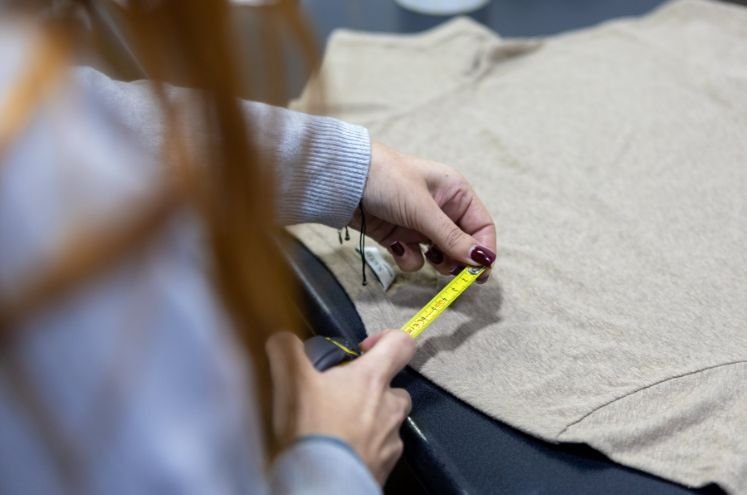
Share a tech pack, sketch, approved sample, or product idea, and Veelianpro will review the shirt construction with your team. We can identify each component that needs a metal-free requirement, from closures and buttons to pocket details, labels, and decoration placement.
- Review closures, buttons, snaps, zippers, rivets, and eyelets
- Specify non-metal alternatives in the approved construction
- Align pocket layout, cuff details, collar, and fit requirements
- Flag performance standards or documentation needs early

Control Trims and Branding
A metal-free shirt program needs more than a non-metal closure. Veelianpro can coordinate fabric, trims, woven labels, care labels, patches, embroidery, printing, and packaging around the approved bill of materials while preserving your private-label presentation and practical workwear requirements.
- Coordinate non-metal trim choices with the garment design
- Add embroidery, screen printing, heat transfer, or patches
- Develop woven labels, care labels, and custom packaging
- Confirm branding details before sample release

Approve a Production Sample
Before bulk production, use sampling to assess fit, fabric hand, construction, branding, and the specified metal-free component plan. Your team can compare the sample against the approved brief, request revisions where needed, and confirm the final build before an order proceeds.
- Evaluate fit, sizing, fabric, and shirt function
- Check all specified components against the approved brief
- Refine construction or branding before bulk production
- Use the approved sample as the production reference

Maintain Repeat-Order Consistency
For repeat programs, Veelianpro can work from the approved specifications, size grading, artwork, and bill of materials to support more consistent reorders. MOQ starts at 100 pieces per style and color, subject to fabric, construction, and project requirements.
- Retain approved specifications for reorder discussions
- Reference confirmed fabric, trim, artwork, and size details
- Review substitutions before they affect the metal-free specification
- Plan quantities, destination, and timing with each quotation

Why Choose Veelianpro as Your Metal-Free Shirt Manufacturer
Compare project-specific development, metal-free component review, sampling and private-label control against a typical standard-supply approach.
← Swipe left or right to view →
Metal-Free Shirt Manufacturer Production Process
A controlled OEM workflow for custom work shirts, from component review and sampling through inspection, packing, and export coordination.
Review Brief and Components
Share your tech pack, use environment, fabric preferences, branding, quantity, destination, and every component that must remain metal-free for feasibility review.
Specify Materials and Trims
Confirm fabric, fit, closures, buttons, labels, pocket details, reinforcement, and approved non-metal trim alternatives before finalizing the bill of materials.
Develop Pattern and Sample
Our team develops patterns, grades sizes, and produces a sample so your team can review construction, fit, branding, and metal-free specifications before bulk approval.
Confirm Quote and Order
After sample feedback, we align the approved specifications, production quantity, packaging needs, timeline, and quotation. MOQ starts at 100 pieces per style and color.
Cut, Sew, and Inspect
Approved materials move through cutting, sewing, decoration, finishing, and quality checks against the confirmed construction and bill of materials for the order.
Pack and Coordinate Export
Finished shirts are packed to the agreed requirements, then prepared for export coordination and repeat-order reference using the approved metal-free product specification.
Start Your Metal-Free Shirt Project
Move from a workwear brief to an approved, repeatable specification with practical review of fabrics, non-metal components, branding, sampling and production requirements.
Send Your Brief
Share a tech pack, sketch, reference sample, or product idea with intended use, size range, colors, target quantity, destination, and delivery timeline.
Confirm Every Component
Review fabric, closures, buttons, snaps, zippers, rivets, labels, trims, reinforcement, and decoration to define the approved non-metal component list for your shirt.
Approve Sample and Quote
Evaluate the sample for fit, construction, branding, and metal-free specification, then confirm the bill of materials, quotation, MOQ, and production requirements before ordering.
Begin Bulk Production
After order confirmation, Veelianpro coordinates material preparation, cutting, sewing, quality checks, packing, and export support using the approved specification for consistent repeat orders.
Metal-Free Shirt Manufacturer Certification Documentation


Metal-Free Shirt Manufacturer Project Feedback
Customer testimonials are published only after buyer permission, attribution, and supporting order details are confirmed.
Approved case studies will describe verified project scope and sourcing outcomes without unsupported claims.
Buyer feedback is published only with authorization and verification of the stated project details.
Metal-Free Shirt Manufacturer FAQ
Practical answers for sourcing custom metal-free work shirts with controlled components, private-label options, sampling, and repeat-order specifications.
Can a metal-free shirt manufacturer make a work shirt with no metal components?
What should a metal-free shirt manufacturer check before calling a shirt metal-free?
Can a metal-free shirt manufacturer provide samples before bulk production?
Which non-metal closures can work on a durable work shirt?
Can you add private-label branding without introducing metal hardware?
What fabric and fit details should we provide for metal-free industrial shirts?
How do you keep a metal-free shirt specification consistent for repeat orders?
What are the MOQ, lead time, payment, shipping, and IP steps for a custom metal-free shirt order?
Complete Buyer’s Guide to Choosing a Metal-Free Shirt Manufacturer
Use this practical sourcing framework to define metal-free specifications, compare supplier capabilities, validate samples, control repeat-order consistency, and avoid costly component, customization, and documentation mistakes.
1. What Is a Metal-Free Shirt Manufacturer?
100% metal-free means the finished shirt is specified without metal across its complete bill of materials—not merely without a metal zipper. A metal-free shirt manufacturer reviews closures, buttons, zippers, snaps, rivets, eyelets, collar stays, drawcord ends, trims, labels, patches, heat-applied logos, and any branding attachment before sampling.
2012 is the stated start of Veelianpro’s workwear operation, where a buyer can submit a tech pack, sketch, sample, or product idea for feasibility review. The approved specification should identify every substitute material, such as resin buttons, molded-plastic closures, textile tabs, or sewn labels, and carry that detail into the production bill of materials.
1 security requirement can change the entire garment-development process. Security-screening locations and industrial sites may request metal-free uniforms to reduce hardware-related concerns, but this is not the same as ordering a generic work shirt: the buyer must define the no-metal scope and approve a sample before bulk production.
2. Evolution of Metal-Free Work Shirts
2012 is the start year stated for Veelianpro’s workwear operation, a period when shirt briefs commonly centered on utility features such as button fronts, snaps, zippers, rivets, and eyelets. For security-screening, controlled-access, or site-uniform programs, the sourcing brief now needs to identify each component rather than treating the shirt as a generic utility style.
100 pieces per style and color is Veelianpro’s stated starting MOQ, subject to fabric, certification, and construction requirements. A metal-free shirt manufacturer should convert the approved sample into a controlled bill of materials listing closure type, button material, labels, patches, reflective details, thread, and any concealed reinforcement.
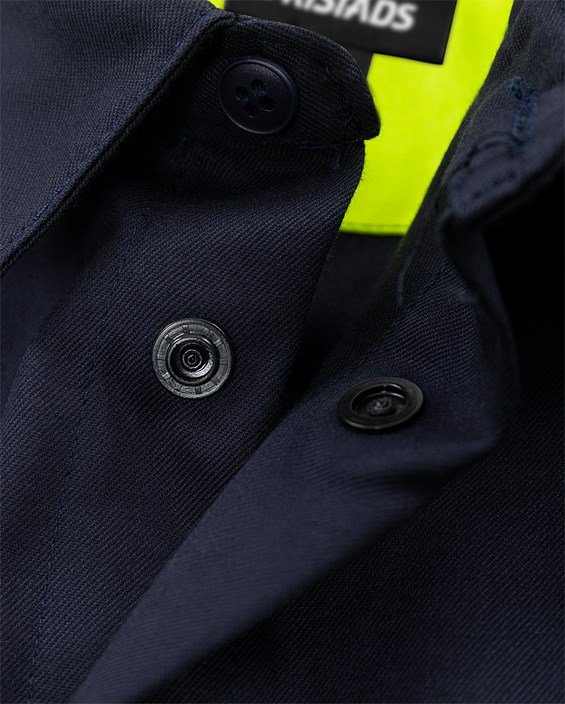
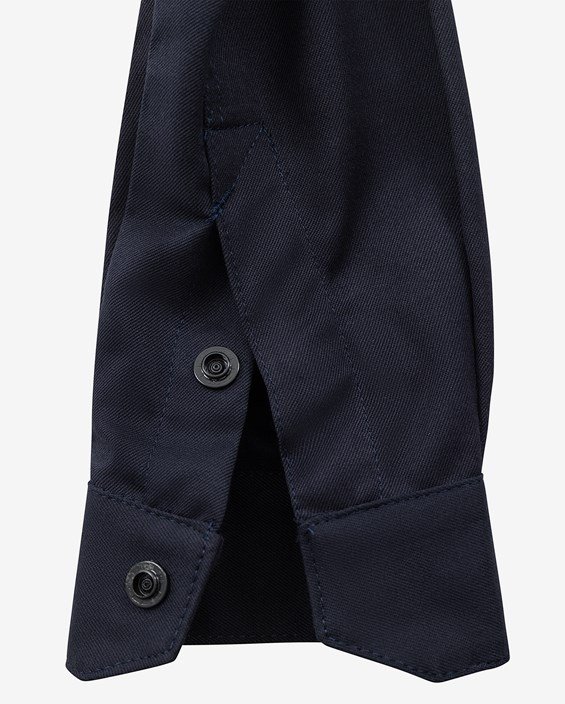
1 approved trim record per component makes repeat ordering more reliable than an informal ‘metal-free’ note. Buyers should approve polymer buttons, sewn plackets, hook-and-loop where suitable, or other non-metal alternatives alongside color, supplier reference, placement, and inspection points before private-label bulk production.
3. Types of Metal-Free Shirt Manufacturer Programs
Five program routes cover short- and long-sleeve work shirts, utility shirts, polos, lightweight overshirts, and adapted uniforms. Match the route to wear setting, fit approval, branding scope, and repeat-order needs.
Ready-Pattern Customization
Existing patterns suit straightforward color, pocket, sleeve-length, and fit changes. Review every closure and trim against the metal-free bill of materials before sampling.
Private-Label OEM
OEM programs apply a buyer-approved specification to production, including labels, decoration, and packing. They suit brands with finished artwork and clear size ranges.
ODM From A Brief
ODM development starts with a sketch, use case, or product idea. Specify wearer movement, laundering, fabric preference, and the required non-metal component scope.
Security-Focused Builds
Security-focused shirts require a component-by-component review of buttons, zippers, snaps, eyelets, rivets, and decorative details. Approve the sample and documented bill of materials before bulk production.
Enterprise Uniform Replenishment
Replenishment programs work best with a locked approved sample, grading, color reference, and bill of materials. Veelianpro states a starting MOQ of 100 pieces per style and color, subject to requirements.
4. Metal-Free Shirt Manufacturer Fabric Choices
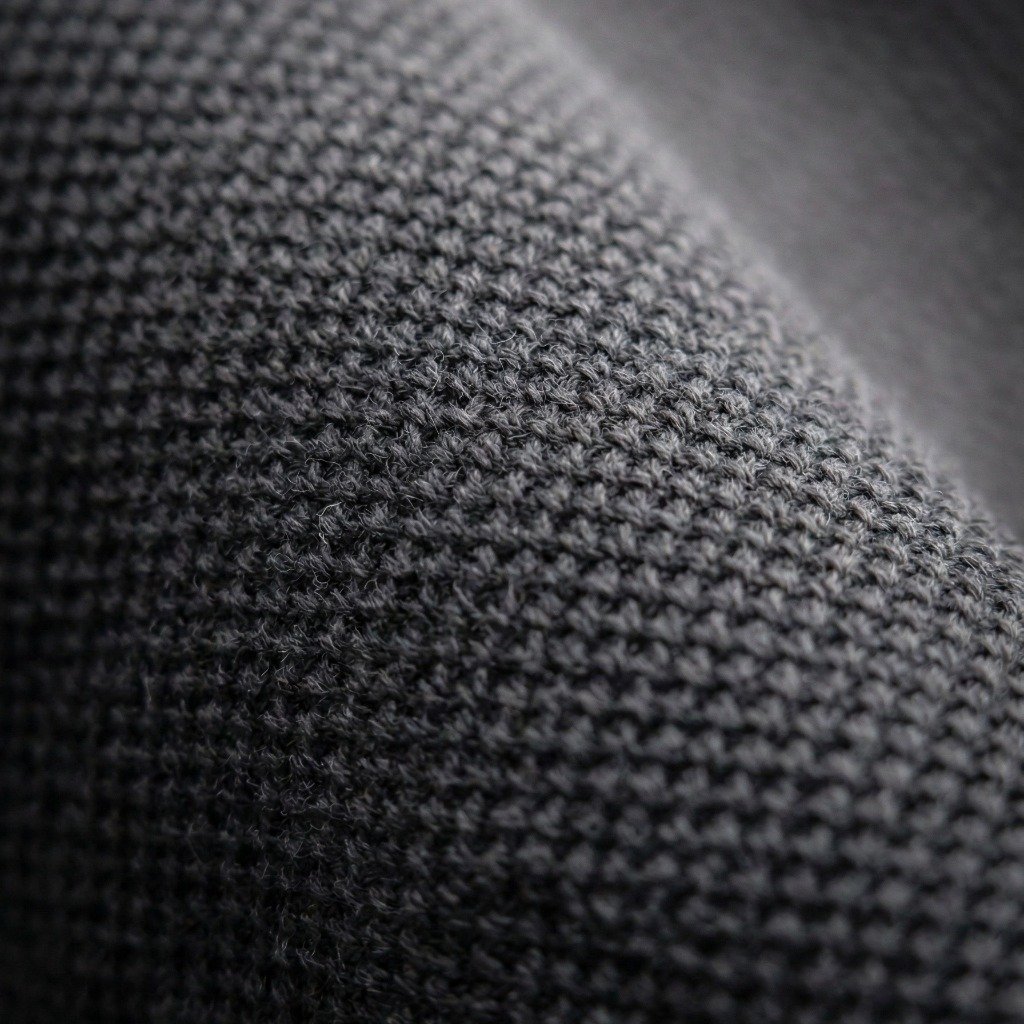
Three inputs—wearer heat load, wash cycle, and logo method—should drive fabric selection. A metal-free shirt manufacturer should approve the exact mill specification and sample before bulk cutting.
| Fabric | Typical Weight | Best Use | Key Trade-Off |
|---|---|---|---|
| Cotton twill | 180–240 gsm | Breathable industrial shirts | Slower drying; monitor fading |
| Polyester | 140–180 gsm | Service uniforms and transfers | Fast drying; lower breathability |
| Cotton-poly blend | 160–220 gsm | Mixed-climate workwear | Balance care, comfort, printing |
| Stretch blend | 180–250 gsm | Movement-intensive roles | Confirm recovery after laundering |
Fiber Trade-Offs
100% cotton favors breathable comfort in hot, lower-intensity roles but dries more slowly.
Polyester dries quickly and typically retains color better, although it can feel less breathable.
Weight And Care
140–160 gsm fabrics suit warm indoor service uniforms and lightweight layers.
200–260 gsm constructions bring a firmer hand for industrial use; frequent laundering requires approved tests for shrinkage, pilling, and shade retention.
Decoration Compatibility
Two decoration checks matter: surface stability for printing and backing compatibility for embroidery.
Approved strike-offs should be washed to confirm logo adhesion, shade, shrinkage, and stretch recovery.
5. Customization and Metal-Free Branding Options
A metal-free shirt manufacturer should treat branding, trims, and packaging as controlled bill-of-materials items. Veelianpro can develop private-label details from a buyer’s approved artwork and metal-free component specification.
| Method | Best Placement | Cost Driver | Sample Check |
|---|---|---|---|
| Embroidery | Chest or sleeve | Stitch count | Thread content |
| Screen print | Back or large chest | Color count | Adhesion and placement |
| Heat transfer | Small chest or sleeve | Artwork complexity | Edge bonding |
| Woven label | Neck or side seam | Size and colors | Label construction |
Choose Decoration By Use
Three common methods differ in wear behavior and setup requirements. Approve artwork scale, thread or ink colors, placement, and wash expectations on the development sample.
Approve The Complete Sample
A pre-production sample should include color blocking, pockets, closure choice, labels, and retail or bulk packaging. Inspect the finished garment and packaging for any unlisted metal before bulk authorization.
6. Construction Details That Protect Compliance
100% of closures, reinforcement, and branding parts should trace to one approved metal-free bill of materials. A metal-free shirt manufacturer must control substitutions at cutting, sewing, finishing, and packing.
Component Mapping
Each BOM line should name the placket closure, button material, thread, interlining, labels, and pocket reinforcement. Exclude hidden eyelets, snaps, zipper pulls, staples, and metal-containing decoration fixtures.
Workmanship Checks
Three construction points deserve close review: button attachment, pocket stress points, and cuff or collar seams. Specify stitch density, bartack locations, seam allowance, and approved nonmetal replacements before bulk cutting.
Sample Inspection
One approved pre-production sample should be opened, handled, and checked against the BOM. Inspect placket layers, collar stays, cuffs, pocket corners, labels, and packaging for undocumented components.
Repeat-Order Records
Version-controlled tech packs should carry the BOM revision, trim supplier reference, approved sample date, and inspection checklist. Any component change requires buyer approval before production, even when appearance and function seem unchanged.
7. Choosing a Metal-Free Shirt Manufacturer
A capable metal-free shirt manufacturer reviews the technical brief before quoting, rather than treating metal-free as a generic feature. Compare Veelianpro and alternatives against documented development controls, not marketing claims.
Confirm Every Component
One bill of materials should list buttons, closures, labels, thread, reinforcement, decoration, packaging, and any hidden components. Require written confirmation of each approved substitution and define how the finished sample will be checked.
- Map every component by supplier and material
- Flag hidden stiffeners, eyelets, and fasteners
- Approve changes only through a revision record
Send A Complete RFQ
A useful RFQ names the work setting, garment type, fabric, size range, color, branding, quantity, destination, and deadline. For protective designs, state the required standard and request applicable test evidence rather than assuming a rating.
- Tech pack, sketch, or reference sample
- Metal-free component specification
- Target quantity and delivery destination
- Packaging and labeling requirements
Approve Before Bulk Production
A pre-production sample should confirm pattern, fit, fabric, trims, branding, and metal-free construction before cutting bulk goods. Veelianpro states a starting MOQ of 100 pieces per style and color, subject to construction and fabric requirements.
- Ask who performs final inspection
- Request sample and bulk approval records
- Keep the approved BOM for reorders
8. Common Metal-Free Shirt Sourcing Mistakes
A 100-piece pilot order can expose specification gaps before bulk production. Most metal-free failures begin when the brief describes visible hardware but not every sewn-in component.
Audit Every Component
One BOM should list buttons, snaps, zippers, eyelets, rivets, thread, labels, patches, and packaging. Inspect hidden collar stays, zipper pulls, reinforcement hardware, and transfer backing.
Approve A Traceable Prototype
One approved sample is insufficient without its dated BOM and trim references. Review the prototype against the requirement, then record substitutions through written change control before cutting.
Match Fabric To Work
Three inputs—work setting, laundering, and wear exposure—should precede fabric selection. Confirm closure function and branding placement early; ordinary shirt closures may introduce prohibited components or interfere with decoration.
Preserve The Approved Specification
Each reorder should reference the approved tech pack, BOM, sample date, and revision number. Recheck any fabric, trim, label, or logo change before production, especially where metal-free status is required.
9. Launching a Metal-Free Shirt Program
A launch brief turns a metal-free requirement into controlled production decisions. Veelianpro can begin from a tech pack, sketch, approved shirt, or product idea, with MOQ starting at 100 pieces per style and color subject to construction.
Define Wearer And Design Inputs
One wearer brief should state job tasks, screening constraints, climate, laundering, size range, colors, quantity, destination, and deadline.
One existing uniform can be adapted when buyers provide a physical sample or measured photos, plus the features that must remain and components that must change.
Lock The Metal-Free Bill
One bill of materials should list fabric, thread, buttons, closures, labels, patches, tape, packaging, and every reinforcement component.
One approved color standard, such as Pantone, and component swatches prevent substitutions. Specify prohibited metal parts explicitly; do not treat a design target as a verified performance claim.
Approve Prototype And Sample
One prototype checks fit, pocket access, collar shape, closure function, branding placement, and metal-free construction before bulk approval.
One written sample approval should freeze measurements, tolerances, materials, artwork, packing, and inspection points. Request revisions through an updated specification, not informal messages.
Confirm Production And Reorders
100-piece starting quantities require a confirmed quotation, approved sample, purchase order, and production schedule before cutting.
One final QC checklist should compare bulk garments against the approved bill of materials and sample. Retain approved records, size ratios, and trim references for replenishment planning.
10. Metal-Free Shirt Manufacturer Pricing and MOQ
100 pieces per style and color is Veelianpro’s stated starting MOQ, subject to fabric availability, color count, custom non-metal trims, decoration, certification needs, and development complexity. A metal-free shirt manufacturer should quote only after the approved bill of materials identifies every closure, button, snap, eyelet, label, and packaging component.
1 approved specification is the basis for a written quotation, not a universal online price. Sampling, pattern revisions, fabric sourcing, Pantone matching, embroidery, screen printing, and order quantity can change both unit cost and schedule.
| Order stage or quantity | Pricing drivers to confirm | Indicative planning lead time |
|---|---|---|
| Development sample | Pattern work, fabric, non-metal trim sourcing, logo method | Confirm with quotation |
| 100–299 pieces | MOQ feasibility, color split, construction, decoration | Confirm after materials approval |
| 300–999 pieces | Fabric yield, size ratio, trim and packaging volumes | Confirm after order confirmation |
| 1,000+ pieces | Production efficiency, repeat materials, inspection and freight plan | Confirm with production schedule |

Request a Metal-Free Work Shirt Quote
Share your garment type, work setting, fabric, branding, quantity, destination, timeline, and required standard for an accurate feasibility review.