
Softshell Vest Manufacturer for Custom Workwear Programs
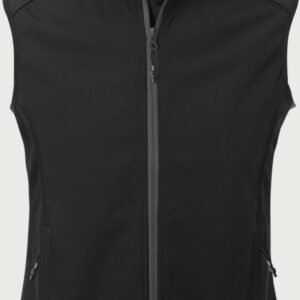
Veelianpro is a softshell vest manufacturer supporting OEM, ODM, and private-label projects from 100 pieces per style and color.
Related Garment Construction References
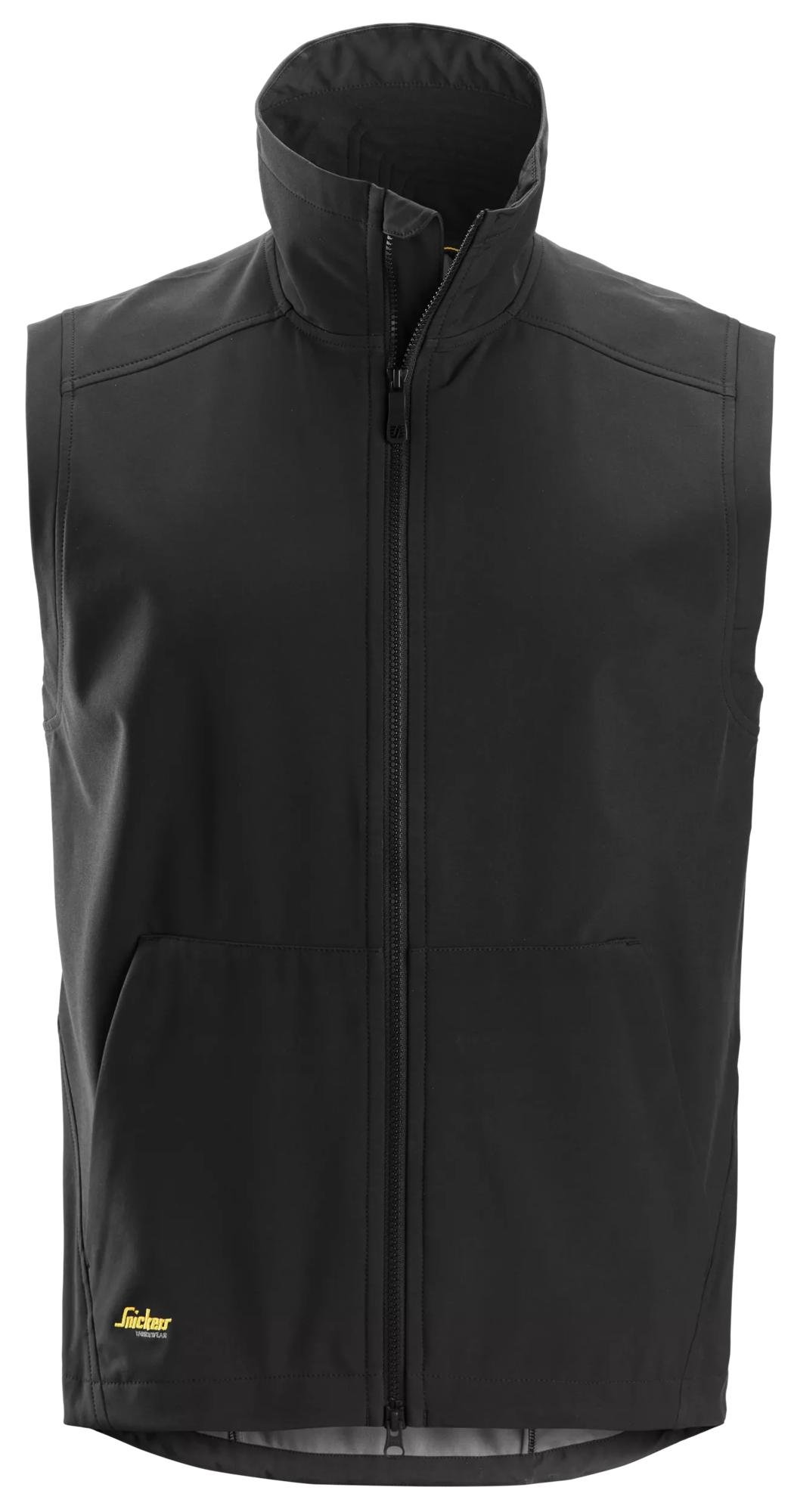


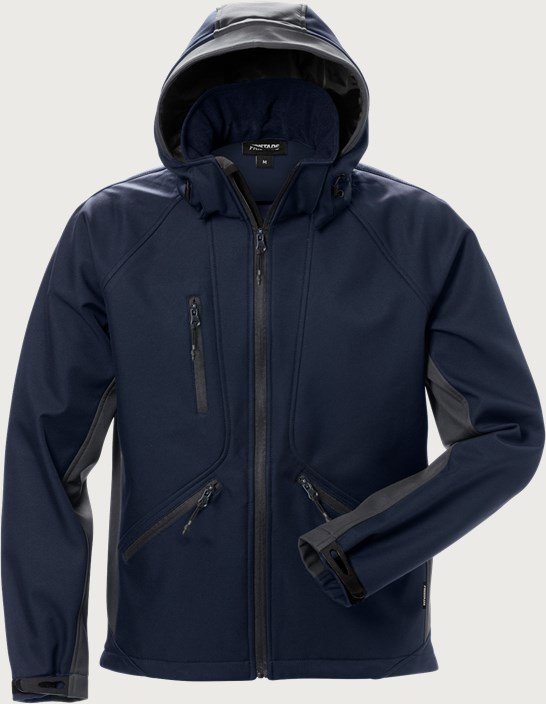


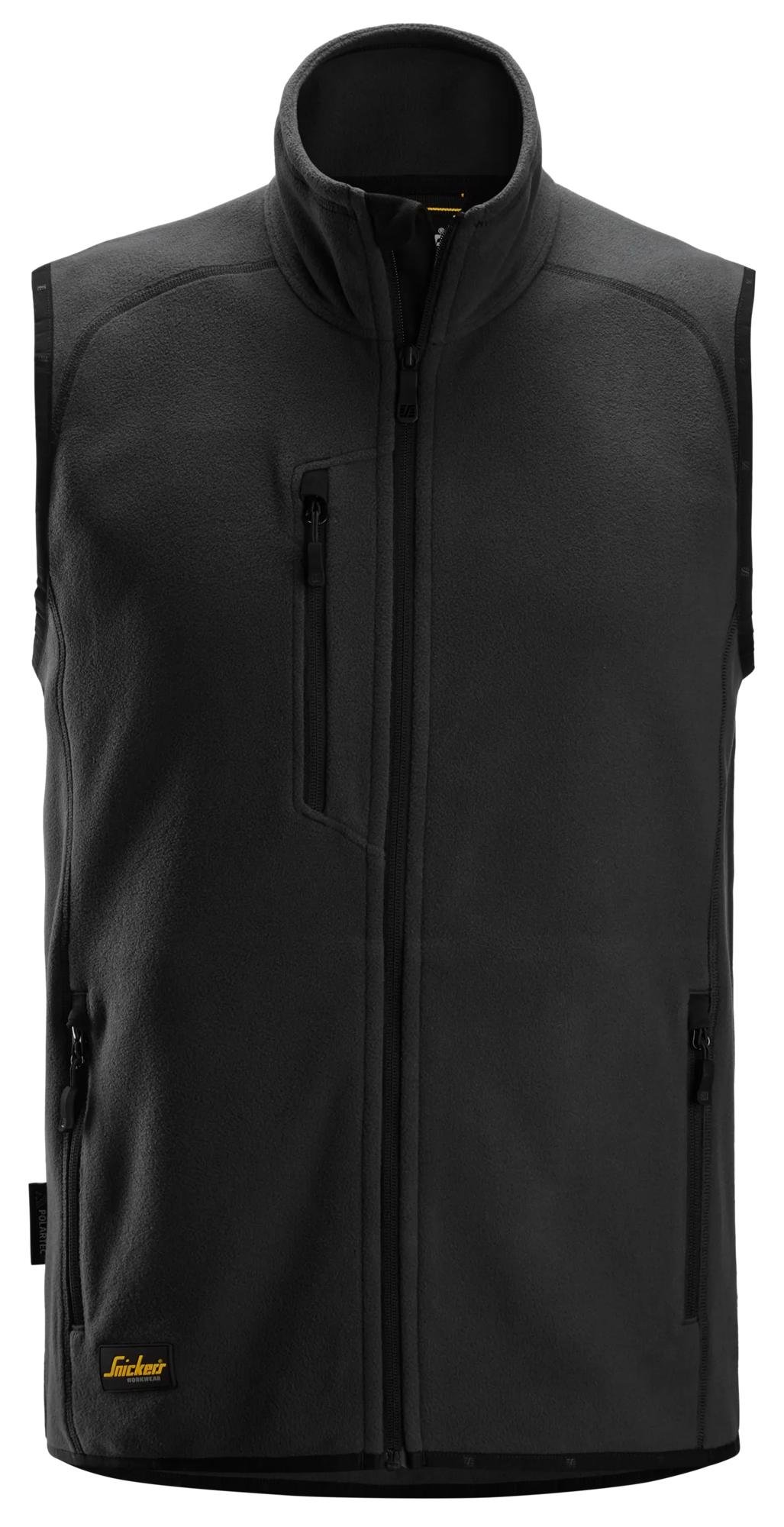


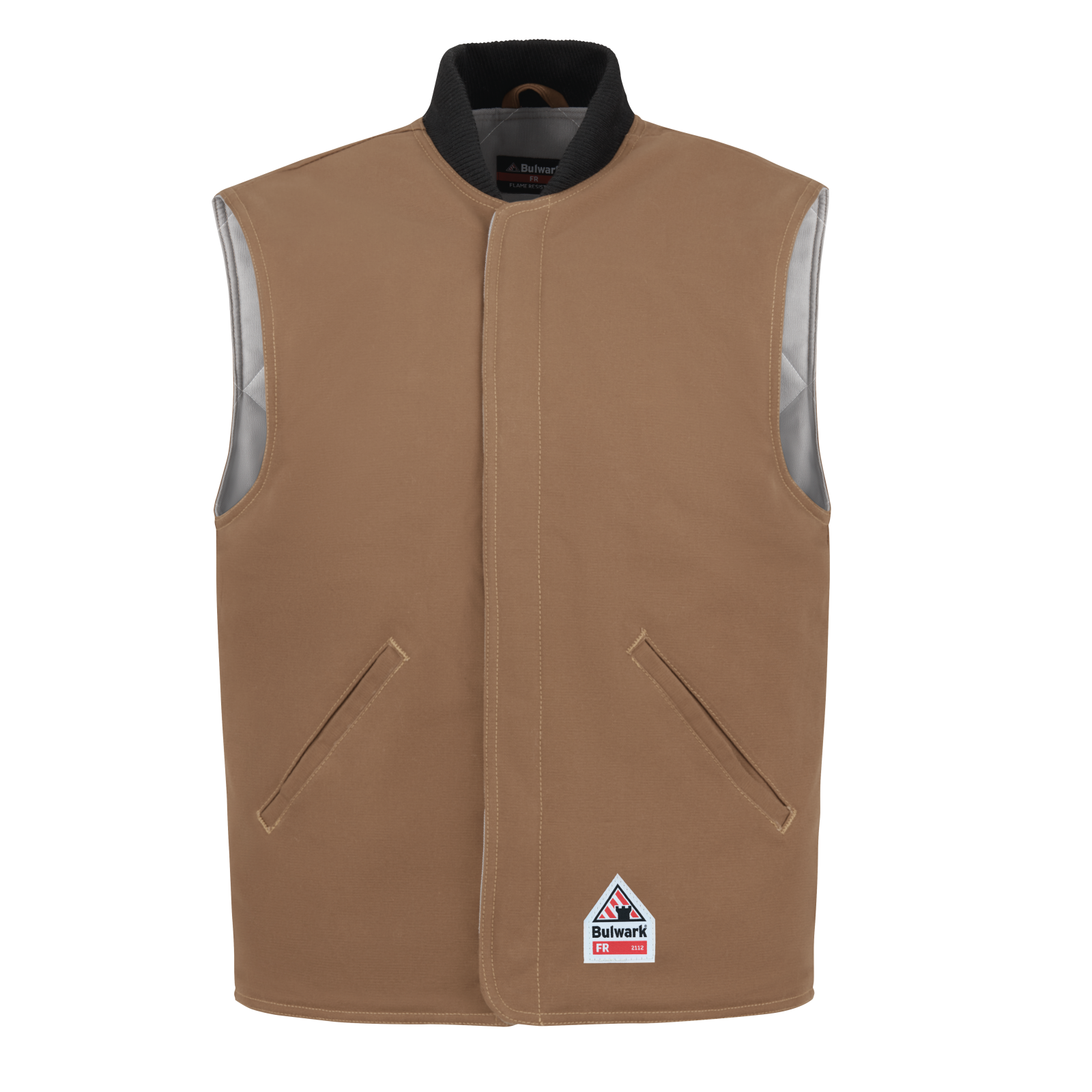


Softshell Vest Styles and Quote Requests
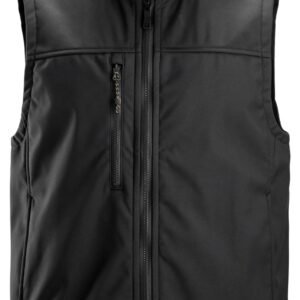


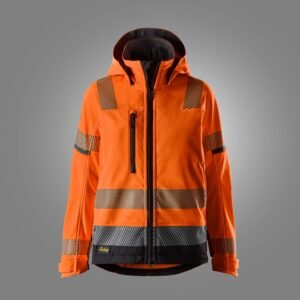

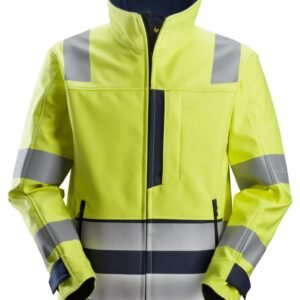

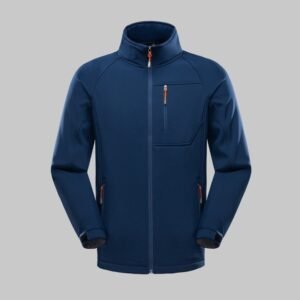


Why Buyers Choose Veelianpro as Their Softshell Vest Manufacturer
Build branded workwear and uniform layering vests with practical development support from specification through inspection.
Starting MOQ From 100
Launch each style and color from 100 pieces, subject to fabric, construction, certification, and project requirements.
OEM Development Support
Share a tech pack, sketch, sample, or product idea for pattern development, size grading, sampling, and production planning.
Fabric and Trim Sourcing
Discuss shell and lining choices, zippers, pocket systems, collars, weather targets, and branding details before sampling.
Functional Vest Construction
Specify mobility-focused armholes, reinforced stress points, bartacks, pocket layouts, and other construction details for the intended work setting.
Private-Label Branding
Add embroidery, screen printing, heat transfer, patches, woven labels, care labels, and custom packaging to your vest program.
Quality Checks Before Shipment
Production includes quality checks, packing, and export coordination, with samples used to confirm handfeel, fit, construction, and branding.
Custom Workwear Manufacturing Options
Develop shirts, outerwear, uniforms and specialist apparel around your application, construction requirements, branding and production specifications.

Work Shirts
Develop button-front work shirts with long- or short-sleeve configurations, practical pocket layouts, reinforced stress points and branded labels or decoration. Fabric weight, composition, collar construction and closure details can be aligned with industrial, maintenance, logistics or service applications.
Request a Workwear Quote
T-Shirts & Polos
Produce crew-neck tees, work polos and layered uniform tops with specified fabric composition, sleeve length, color blocking and logo application. Suitable for teams needing everyday branded apparel across service, trade, warehouse and customer-facing environments.
Request a Workwear Quote
Work Jackets & Outerwear
Build softshell, fleece, padded and rain jacket programs with selected weather-protection features, pocket systems, closures, reinforcement and reflective tape placement where required. Development can address insulation, shell construction, hood details and decoration for outdoor, industrial or service use.
Request a Workwear Quote
Work Vests & Bodywarmers
Create softshell vests, utility vests and insulated bodywarmers for core warmth and unrestricted arm movement. Specify shell fabric, lining, pocket configuration, front closure, contrast panels, reflective details and logo placement for layered workforce uniforms.
Request a Workwear Quote
Work Pants & Shorts
Manufacture work trousers, cargo pants and shorts with application-specific pocket systems, reinforced knees, bartacks, triple stitching and gussets. Buyers can define fabric composition, fit, size grading, waistband details, color and branding for active industrial or service roles.
Request a Workwear Quote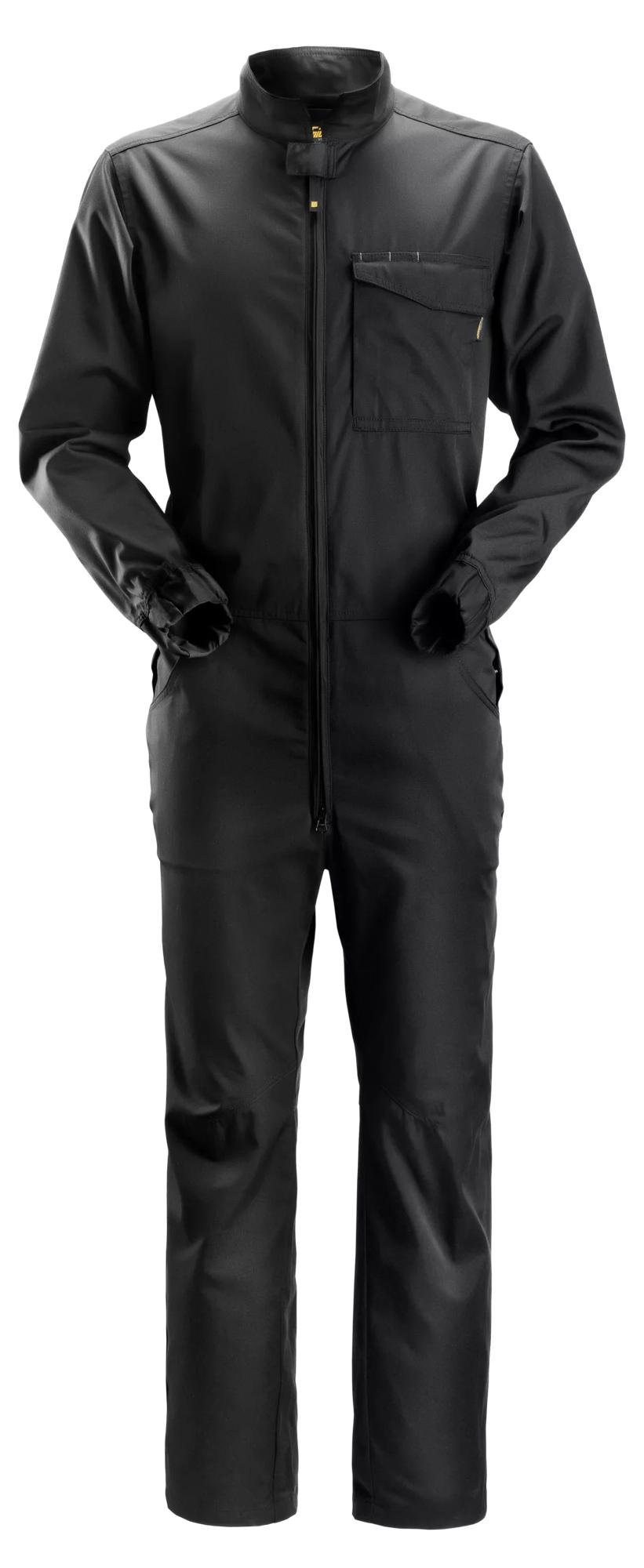
Coveralls & Bib Overalls
Develop one-piece coveralls, bib overalls and two-piece work suits with practical closures, pocket placement and reinforcement matched to the task. Fabric selection, size grading, reflective details and identity labeling can be coordinated during sampling and production development.
Request a Workwear Quote
Workwear Sets
Coordinate matching shirt-and-trouser, jacket-and-pant or complete uniform sets with consistent fabrics, color standards and branding. Each component can be developed as a coordinated program while accommodating separate construction, sizing and decoration requirements.
Request a Workwear Quote
High-Visibility Workwear
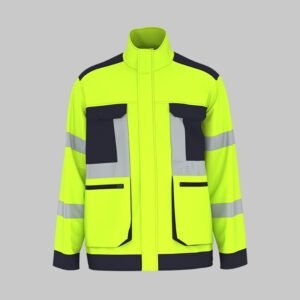
Develop high-visibility garment families, including vests, shirts, jackets, trousers and coveralls, with specified background fabrics and reflective tape placement. Any visibility standard, performance rating or certification requirement must be reviewed against the exact garment and supporting test evidence.
Request a Workwear Quote
Flame-Resistant & Arc-Rated Wear
Support development of flame-resistant and arc-rated garment families for buyers with defined protection requirements. Construction, fabric, closures and labeling should be specified against the intended standard; rating or certification claims require SKU-specific tested documentation.
Request a Workwear Quote
Chemical-Protective Clothing
Develop chemical-protective clothing concepts with garment construction, closure systems, seams and material choices considered for the intended exposure. Buyers should provide the chemical type, applicable standard and required test scope; protection claims depend on documented evidence for the finished SKU.
Request a Workwear Quote
Cold-Storage Workwear
Create insulated jackets, trousers, coveralls and layering pieces for cold-storage operations with fabric, lining, closures and mobility needs specified during development. Temperature performance or protective claims are only used when supported by the relevant tested garment documentation.
Request a Workwear Quote
Welding Workwear
Produce welding wear with durable construction, reinforced high-stress areas and fabric choices discussed for the working environment. Garment formats can include jackets, trousers, coveralls and coordinated sets; flame or heat-protection claims require the applicable test evidence and certification scope.
Request a Workwear Quote
Medical & Cleanroom Wear
Develop medical scrubs, cleanroom garments, and ESD-oriented apparel as separate programs with buyer-defined fabric, closure, pocket, and labeling requirements. For cleanroom or ESD use, provide the required standard and test scope; any classification or performance claim must match the exact material, garment design, and documented evidence.
Request a Workwear Quote
Chef & Hospitality Uniforms
Manufacture chef jackets, kitchen trousers, aprons, hospitality shirts and front-of-house uniforms with specified silhouettes, colors, trims and branding. Programs can combine practical pocketing, closure preferences and coordinated sizing for restaurants, hotels and food-service teams.
Request a Workwear Quote
Industry Uniforms
Create industry-specific uniform programs for logistics, maintenance, construction, facilities, security and service teams. Starting from a tech pack, sketch or idea, Veelianpro can develop patterns, source fabrics and trims, sample garments and manage cutting, sewing, inspection and packing.
Request a Workwear Quote
Base Layers & Accessories
Complete workwear programs with base layers and accessories such as caps, aprons, belts, patches, woven labels, care labels and custom packaging. These supporting items can be aligned with the main garment range to maintain consistent colors, branding and procurement specifications.
Request a Workwear QuoteSoftshell Vest Manufacturer Material and Lining Options


Softshell Vest Manufacturer Processes for Branding and Durability



Functional Trims and Accessories


About Veelianpro Workwear Manufacturing
Hubei Veelianpro Workwear Co., Ltd. is a Wuhan, Hubei manufacturer focused on custom industrial, safety, hospitality and service apparel. Our company profile states that the workwear operation began in 2012, with a practical mission: help B2B buyers turn a tech pack, sketch, sample or product idea into production-ready garments.
As a softshell vest manufacturer, Veelianpro supports fabric and trim sourcing, pattern development, sampling, size grading, cutting, sewing, reinforcement, decoration, quality checks, packing and export coordination. OEM, ODM, private-label and wholesale programs can start from 100 pieces per style and color, subject to fabric, construction and project requirements.
Our company-supplied profile describes a team of more than 300 skilled workers; buyers should confirm current capacity during quotation. What differentiates Veelianpro is specification-led development: discuss fit, pockets, weather-protection targets, branding and labeling before sampling, then approve the details that matter before production.

Softshell Vest Manufacturer Capabilities for Custom Development
Specification Review
Veelianpro reviews your tech pack, sketch, sample, or product idea before development. Define the intended work setting, shell and lining direction, fit block, colorway, pocket layout, weather goals, branding, size range, quantity, destination, and required documentation early.
- OEM, ODM, private-label, and wholesale project review
- Construction details for collars, armholes, hems, and pockets
- Performance targets documented without unverified protection claims
- MOQ starts at 100 pieces per style and color, subject to requirements

Fabric and Trim Sourcing
As a softshell vest manufacturer, Veelianpro helps align fabric and trim choices with the program’s use case. Buyers can discuss composition, weight, lining, zipper direction, pocket hardware, reflective placement, and decoration options before materials are released for sampling.
- Shell, lining, and trim sourcing support
- Zippers, drawcords, labels, patches, and packaging options
- Embroidery, screen print, heat transfer, and woven-label planning
- Material selection matched to the approved product brief

Sampling and Fit Development
Sampling converts the brief into a physical review point for fit, handfeel, construction, and branding. Veelianpro can support pattern development and size grading so buyers can evaluate men’s, women’s, unisex, or multiple fit blocks before confirming bulk production.
- Pattern development from approved design inputs
- Sample review for fit, mobility, and pocket access
- Size grading for agreed size ranges
- Branding placement checked before bulk approval

Controlled Bulk Production
After approval, Veelianpro coordinates cutting, sewing, reinforcement, finishing, quality checks, packing, and export coordination for the custom softshell vest program. Confirm approved samples, tolerances, labeling, packing instructions, shipment destination, and timeline in the final order specification.
- Cutting, sewing, finishing, and quality-control workflow
- Reinforcement details such as bartacks or triple stitching by specification
- Custom care labels, hangtags, and export packing
- Production and shipment details confirmed per quotation

Softshell Vest Manufacturer vs. Off-the-Shelf Decoration
Choose development-led production or a ready-made vest route based on your program requirements. Starting MOQ is subject to fabric, certification and construction requirements.
← Swipe left or right to view →
Softshell Vest Manufacturer: From Specification to Shipment
Veelianpro guides B2B softshell vest projects from feasibility review through sampling, controlled production, inspection, packing, and export coordination.
Review Project Feasibility
We review intended use, quantities, size range, destination, timeline, and requested weather or protective requirements to confirm a practical development route before quoting.
Select Materials And Details
Choose shell and lining options, colors, pocket layout, collar, zippers, trims, branding, and fit requirements for your custom softshell vest specification.
Develop Patterns And Samples
Our team develops patterns, sources approved components, and prepares samples so you can assess handfeel, fit, construction, function, and logo execution before production.
Confirm Quote And Order
After sample feedback is resolved, we confirm the final specification, quantity, pricing, production schedule, packaging needs, and order details for release.
Produce Your Softshell Vests
Approved orders move through cutting, sewing, reinforcement, decoration, finishing, and in-process quality checks according to the confirmed softshell vest specification.
Inspect Pack And Ship
Finished garments receive final quality checks, then are packed to the agreed requirements with export coordination arranged for your destination and delivery plan.
Compliance Documentation for Softshell Vest Programs
Compliance documents and protective-performance claims must be verified for the specific material, garment configuration, and certification scope before publication or purchase approval.
Send Your Product Brief
Share a tech pack, sketch, reference sample, or product idea with intended use, target quantity, destination, timeline, size range, and branding requirements.
Define Materials and Details
Confirm shell and lining preferences, weather-performance targets, fit blocks, pockets, collars, zippers, colors, logo placement, labels, and packaging before sampling.
Review Sample and Quotation
Evaluate material handfeel, fit, construction, functional details, and branding on the sample; then confirm the project quotation, MOQ, and final production specification.
Confirm Production Requirements
Approve the order details so Veelianpro can coordinate fabric sourcing, cutting, sewing, quality checks, packing, and export preparation for your custom softshell vest program.
Customer Reference Policy


Softshell Vest Manufacturer Scenarios for Workwear Buyers
Illustrative scenario: A safety distributor needs a branded softshell vest for warehouse teams but has conflicting needs for secure device storage and a clear chest logo area. The proposed solution is a brief covering pocket locations, logo placement, color plan, and size range, followed by a sample. Intended acceptance criteria are usable pockets while worn, artwork clear of seams and zippers, and conformity with the agreed construction and decoration brief.
Illustrative scenario: A uniform buyer has a reference vest but no production-ready specification, so the proposed pocket layout and branding location may conflict when the vest is layered. The proposed solution is to turn the reference into pattern, fabric, trim, collar, and pocket decisions and review a sample before bulk quotation. Intended acceptance criteria are the agreed fit, accessible pockets over the planned layers, and branding positioned as specified.
Illustrative scenario: A workwear brand is planning a private-label softshell vest in a new colorway and needs its labels, packaging, reinforcement details, and size grading aligned before quotation. The proposed solution is a development brief and sample that records those elements by style and color. Intended acceptance criteria are the approved sample, correct label and packaging copy, agreed graded measurements, and the documented order specification.
Softshell Vest Manufacturer FAQ
Practical answers for workwear, uniform, promotional, and private-label sourcing programs.
What is the MOQ for a custom softshell vest manufacturer?
Can a softshell vest manufacturer develop OEM or private-label styles from our idea?
How do I choose materials and linings for a custom softshell vest?
Can a softshell vest manufacturer offer men’s, women’s, and unisex fit blocks?
What pocket and trim options can be added to a workwear softshell vest?
What should we check before approving a softshell vest sample?
How long does a custom softshell vest order take from sample to shipment?
How do payment, shipping, and IP protection work with Veelianpro?
Softshell Vest Manufacturer: Complete Sourcing Guide
A practical framework for comparing softshell vest specifications, OEM and private-label routes, quality controls, order scope, and avoidable sourcing mistakes before selecting a manufacturing partner.
1. What Is a Softshell Vest Manufacturer?
A softshell vest manufacturer builds a coordinated garment program rather than merely selling an existing vest from inventory. For workwear, uniforms, promotions, and private-label ranges, that work can begin with a tech pack, sketch, sample, or product brief and continue through fabric and trim sourcing, pattern development, sampling, size grading, cutting, sewing, decoration, finishing, packing, and export coordination.
Stock resale generally limits the buyer to available styles, colors, sizes, and pre-set branding locations. A manufacturing program gives the buyer control over the vest specification: pocket layout, collar or hood configuration, fabric choice, reinforcement, weather-protection details, size range, labels, and packaging can be discussed before production. That distinction matters when a distributor needs a repeatable uniform line or a brand needs its own product identity rather than an applied logo on a generic item.
Veelianpro supports OEM projects for an established design, ODM development when a buyer starts with a product idea or brief, and private-label production for branded ranges. Its starting MOQ is 100 pieces per style and color, subject to fabric, certification, and construction requirements; treating each colorway or style as a separate planning unit prevents an early quantity mismatch. A useful request should identify the work setting, target quantity, intended fabric and features, branding method, size range, destination, and timeline.
2. Why Softshell Vests Fit Active Work Programs
A softshell vest covers the core while leaving the shoulders and arms free, so workers can reach, lift, drive, scan, and handle tools without jacket sleeves bunching at the elbow. That sleeveless construction also makes the vest a practical outer layer over a work shirt or polo when conditions change during a shift.
For warehouse teams, delivery crews, construction supervisors, event staff, and outdoor service personnel, the same garment can help create a coordinated, identifiable appearance while keeping upper-body movement less restricted. Pocket layout, collar height, closure type, and logo placement should follow the job: a driver may prioritize secure storage, while an event team may prioritize visible branding and a clean front.
A vest is not a universal substitute for outerwear. Choose a jacket when arm coverage is needed, an insulated layer when the approved specification calls for greater warmth, and a dedicated high-visibility garment when the worksite requires documented visibility performance. Veelianpro can develop the vest from a tech pack, sketch, sample, or product brief, allowing the layer plan and work setting to be resolved before sampling.
3. Softshell Vest Manufacturer Product Types
A vest route should start with the job’s movement and carrying demands, then the climate and visible brand treatment. Veelianpro can develop the selected configuration from a tech pack, sketch, sample, or product brief.
| Product Route | Primary Buyer Question | Key Trade-Off |
|---|---|---|
| Full-zip work vest | Need one versatile uniform layer? | Brand panels versus pocket placement |
| Fleece-backed vest | Will crews work in cooler conditions? | Added warmth versus layer bulk |
| Lightweight vest | Is unrestricted layering the priority? | Less inherent insulation |
| Hooded vest | Is head coverage required? | Helmet compatibility and rear branding |
| Role-specific pockets | What must workers carry? | Utility features versus clean presentation |
Standard Full-Zip Work Vest
A full-front zipper gives crews a fast on-off layer without restricting arm movement. Specify the collar height and whether the vest must sit cleanly over a polo or work shirt.
This route answers the broadest uniform need: a recognizable outer layer for active indoor-to-outdoor roles. Reserve stable chest or back panels for the planned decoration method.
Fleece-Backed Softshell Vest
A fleece-backed option prioritizes warmth for cooler shifts while retaining a sleeveless working profile. It suits buyers whose teams need more insulation without committing to a jacket.
Confirm the intended layer stack during development, because a bulkier inner face changes fit and logo-panel behavior. Material composition and weather-performance claims require the final specified fabric and supporting evidence.
Lightweight And Hooded Options
A lightweight vest favors mobility and easy layering for delivery, warehouse, and changing-temperature work. It is the practical choice when warmth comes primarily from base or midlayers.
A hooded version adds head coverage but changes the neckline, rear branding area, and how the garment works with helmets or other PPE. Define the wearer’s actual headwear before approving the pattern.
Role-Specific Pocket Layouts
Pocket placement should follow what the wearer carries: phone, radio, small tools, documents, or gloves. Chest pockets improve access, while lower hand pockets keep the front layout familiar.
Avoid adding pockets solely as styling features; each zipper, flap, and seam affects use and branding space. Send Veelianpro a role-by-role carry list with the product brief.
4. Softshell Vest Materials and Technical Options
A softshell vest is specified as a system: shell fabric, backing or lining, closures, and storage must work together for the actual shift. Veelianpro can source fabric and trims around the buyer’s required composition, fabric weight, pocket layout, and weather-protection design target.
| Technical option | Practical trade-off | Appropriate program use |
|---|---|---|
| Lighter or heavier shell weight | Changes bulk, layering feel, and material use | Indoor-outdoor uniforms or layered fieldwear |
| Bonded backing or separate lining | Changes hand feel and construction complexity | Programs needing a defined interior feel |
| Zippered utility pockets | Adds component cost and secure storage | Delivery, service, and mobile crews |
| Stand collar or optional hood | Balances neck coverage, bulk, and head coverage | Variable-weather field programs |
Shell And Bonded Construction

Shell weight changes hand feel, bulk, and the way a vest layers over work shirts or knits. Specify the composition and weight in the tech pack rather than treating ‘softshell’ as one fixed fabric.
A bonded construction combines layers into one fabric assembly; confirm the requested face, backing, and finished hand during sampling. Do not present a weather-protection target as a tested performance claim without applicable evidence.
Lining And Stretch Choices
A lining or backing choice affects warmth, interior feel, and garment bulk. A lighter construction can suit indoor-to-outdoor teams, while a more substantial backing may suit a layering program where added bulk is acceptable.
Stretch should be specified by required movement zones and recovery expectations, not assumed from the word ‘softshell’. Review the sample while reaching, driving, and accessing tools.
Closures And Wearer Protection
Zipper selection should match opening frequency, glove use, and pocket loading. Define front-zip type, pocket zipper or flap treatment, puller style, and whether pockets must secure devices, documents, or small tools.
A stand collar gives neck coverage without a hood; an optional hood adds coverage but changes bulk and branding space. Confirm hood attachment, adjustment details, and compatibility with the intended work setting in the sample.
5. Softshell Vest Manufacturer Customization Options
Customization starts by matching the development route to the information already available. Veelianpro can work from a finished tech pack, a reference garment, or a product brief, then align fabric, trims, pattern development, branding, and packing before production.
| Route | Buyer Starting Point | Key Customization Focus |
|---|---|---|
| OEM | Finished tech pack | Execute defined construction and branding |
| ODM | Reference or product brief | Develop specification and sample direction |
| Private label | Agreed vest specification | Labels, decoration, and packaging identity |
Choose The Development Route
OEM suits a buyer supplying approved measurements, construction, artwork, and specifications. ODM begins with a reference or brief and requires decisions on the vest’s intended work setting, pockets, collar, and weather-protection target.
Private-label programs focus on applying the buyer’s brand identity to an agreed product specification. Confirm the applicable per-style-and-color quantity requirement during quotation, because fabric, certification, and construction requirements can affect feasibility.
Plan Decoration Placement
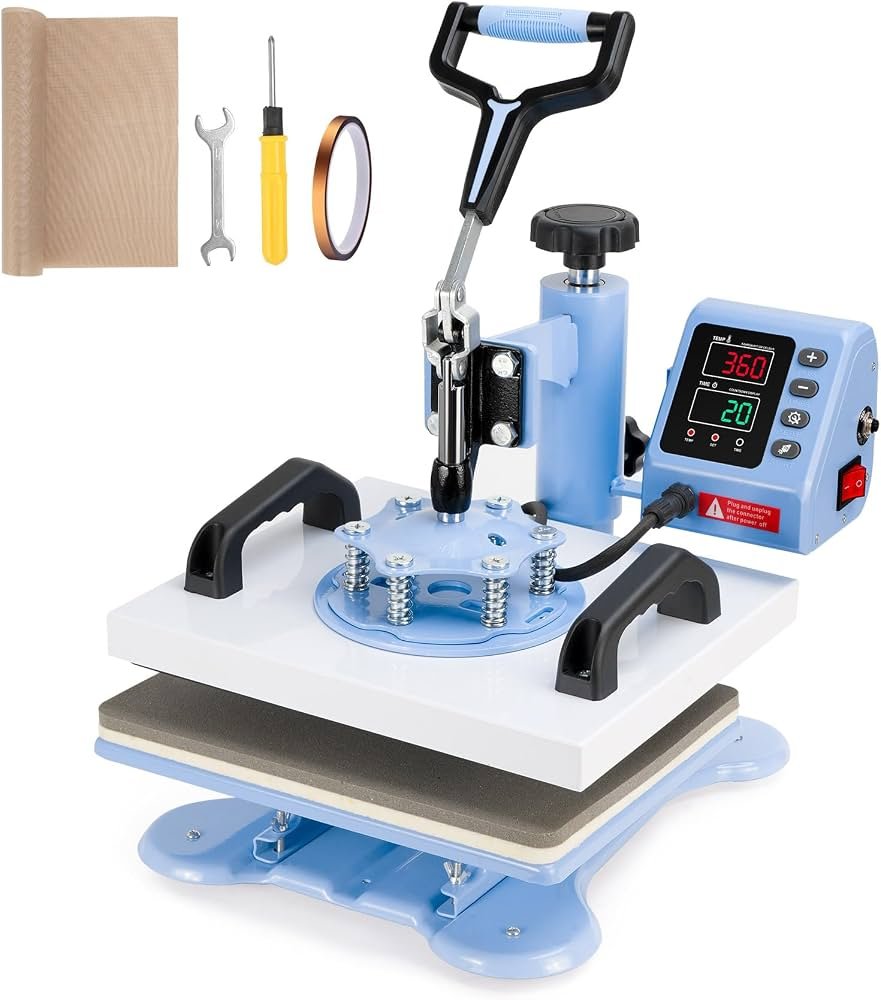
Plan chest, back, collar, and pocket artwork around seams, zipper paths, and the layers the vest will be worn over. Submit artwork with the intended location and finished dimensions.
Veelianpro lists embroidery, screen printing, and heat transfer among its decoration options. Confirm the proposed method against the actual artwork, color count, garment surface, and approved sample before production.
- Embroidery: confirm stitch coverage, placement, and fabric suitability on the sample
- Screen printing: confirm artwork separation, placement, and sample appearance
- Heat transfer: confirm artwork detail, placement, and sample appearance
Specify Identity And Fit

Branding can include patches, woven labels, care labels, and custom packaging alongside the selected decoration. Color, size range, and fit must be recorded in the specification rather than assumed from a reference image.
If separate fits are required, provide each measurement chart, grading rules, and size ratio. Confirm whether every colorway and fit is treated as a separate style-and-color commitment before quotation.
6. Construction Details That Affect Wear Life
Wear life is often decided at stress points that a buyer can inspect before bulk production. Review the approved sample with the vest zipped, pockets loaded, collar folded, and branding applied—not only laid flat.
| Detail | Observable Failure | Sample Review Remedy |
|---|---|---|
| Pocket corner | Seam distortion | Add specified reinforcement |
| Center zipper | Wavy or catching tape | Check alignment when closed |
| Collar edge | Rolling or uneven shape | Inspect worn and folded collar |
| Hem finish | Uneven pull or curling | Compare front and back lengths |
Seams And Stress Points

Look for even seam allowances, clean thread ends, and smooth transitions where side seams meet armholes and pockets. Puckering, skipped stitches, or loose thread tails can become early snag points during repeated movement.
Specify reinforcement where pocket corners, zipper ends, and other load points need it; bartacks and triple stitching are available construction discussions. On the sample, pull these areas gently and compare both sides for distortion.
- Check pocket-corner reinforcement
- Inspect armhole seam consistency
- Confirm thread color and stitch visibility
Zippers, Collar, And Hem
A zipper should run freely without the tape twisting, rippling, or catching the facing. Check that the top stop and collar edge sit comfortably together when fully closed.
Collar shape depends on stable edge finishing and a lining attachment that remains flat after turning. At the hem, verify an even finish and that any adjustment detail operates without pulling the vest body.
Pocket And Decoration Placement
Pocket openings need to stay accessible when the vest is worn over work layers; poorly placed openings can gape or interfere with the zipper. Confirm pocket size, closure, and reinforcement against the intended carried items.
Place embroidery, screen printing, heat transfer, patches, or labels away from seams, zipper paths, and pocket layers where feasible. Approve artwork position on the worn sample, not only on a flat drawing.
7. Choosing a Softshell Vest Manufacturer
A capable softshell vest manufacturer turns a clear work-use brief into a controlled production plan. Compare development fit, approval discipline, and quote detail before treating a garment sketch as an order-ready specification.
| Route | Buyer Starting Point | Development Focus |
|---|---|---|
| OEM | Complete tech pack | Execute approved specification |
| ODM | Sketch or product idea | Develop pattern and details |
| Private Label | Agreed garment direction | Apply buyer branding and packaging |
Start With A Buildable Brief
Specify the work setting, target wearers, fabric direction, pocket layout, collar or hood decision, branding locations, size range, destination, and required timeline. For protective use, include the applicable standard and required test or certificate scope.
A sketch can start development, but placement dimensions, trim choices, and color references prevent avoidable sample revisions.
- State intended task and layering use
- List required pockets and access points
- Provide artwork files and placement sizes
Match The Development Route
OEM fits buyers with a defined tech pack or approved construction. ODM suits teams starting from a product idea and needing pattern, material, and detail development; private label adds the buyer’s identity to the agreed garment.
Approve Samples And Size Data
Review a sample against the approved brief: fit, pocket access, zipper operation, seam reinforcement, decoration position, and finish. Record corrections in one dated approval file rather than relying on scattered messages.
Own the size chart. Confirm garment measurements, tolerances, grading logic, and the intended fit before production; a body-measurement chart alone does not govern finished dimensions.
Plan Colors, Decoration, And Quotes
Plan colorways and separate fits early. A split quantity must be reviewed as separate style-and-color lines against the applicable quotation conditions, rather than assumed to qualify as one combined run.
Ask the quotation to identify fabric and trims, construction, decoration method and locations, labels, packaging, sample scope, inspection, shipping basis, and exclusions. Confirm decoration feasibility on the sample, especially where embroidery, print, transfers, patches, or reflective details meet seams or pockets.
8. Common Softshell Vest Sourcing Mistakes
Most preventable sourcing failures begin when a vest is treated as a logo carrier rather than a layered work garment. Lock the intended activity, wearer mix, decoration, and quote scope together before approving a sample.
Treating All Softshells Alike
A bonded shell, lining choice, stretch behavior, weather-protection target, and pocket layout can produce very different wear experiences. Calling every option ‘softshell’ hides those trade-offs.
The result can be a vest that clashes with the job’s movement or layering needs. Specify the work setting and required construction details in the tech pack before material approval.
Approving Artwork Before Pockets
A chest logo may compete with a zip pocket, while lower-pocket placement can interrupt a large print or patch. Artwork approved from a flat template often misses zipper paths and seam allowances.
Place the logo, pocket openings, and decoration boundaries on the same annotated garment drawing. Approve that layout before sampling.
Ignoring Fit And Size Runs
One fit block rarely serves every wearer or layered uniform system. A missing size breakdown can leave common sizes short and slow distribution at issue-out.
Collect wearer measurements or reliable prior-order data, then submit a size run with the inquiry. Review graded measurements on the sample rather than assuming a label size matches an existing program.
Comparing Unequal Quotes
Embroidery, screen printing, heat transfer, patches, labels, packaging, fabric and trim sourcing can each change the quoted scope. A lower total may exclude an item another quotation includes.
Use one line-item specification sheet for every quote, including decoration method and placement. State quantities by style and color, then ask each supplier to confirm whether the split is feasible under the quoted fabric, construction, and any certification requirements.
9. Launching a Custom Softshell Vest Program
A usable launch brief turns a vest concept into decisions that can be sampled, approved, and checked at receipt. Start with the wear setting and distribution plan, then lock the specification before artwork or production approval.
| Illustrative Line | Quantity | Style And Color Condition | Planning Effect |
|---|---|---|---|
| Navy utility vest | 100 | Meets stated starting condition | One production line |
| Black utility vest | 100 | Meets stated starting condition | Separate color line |
| Navy supervisor vest | 100 | Meets stated starting condition | Separate style line |
Build The Use-Case Brief
State whether the vest is for warehouse, delivery, site supervision, or service teams. Define layering needs, pocket use, weather exposure, target quantity, destination, and required protection standard where applicable.
Send a tech pack, sketch, reference sample, or product idea. Identify whether the project is OEM, ODM, private label, or wholesale so pattern-development and sourcing needs are clear.
Freeze Specifications And Artwork
Specify fabric composition and weight, collar or hood configuration, pocket layout, zipper and trim choices, reinforcement points, color, and size range. Protective performance remains a design target until supported by the required test evidence and certificate scope.
Provide vector artwork and placement dimensions for embroidery, screen printing, heat transfer, patches, woven labels, care labels, and packaging. Confirm logo colors, label copy, and carton marks before the sample is released.
Review Samples Before Approval
Check the prototype against the approved measurements, size grading, pocket access, zipper operation, seam and reinforcement details, branding placement, and packing specification. Wear testing should reflect the actual layers and tasks expected of the end user.
Record revisions in one dated approval file rather than approving changes across separate messages. Production approval should identify the final sample, artwork, color, size breakdown, and inspection points.
Plan Quantities And Receipt
Worked example only: a 300-piece program can use 100 navy utility vests, 100 black utility vests, and 100 navy supervisor vests. Each style-and-color line meets Veelianpro’s stated 100-piece starting MOQ, subject to fabric, certification, and construction requirements.
At receiving, compare cartons, size assortments, approved colors, decoration, labels, visible construction, and agreed packing against the approval file. Isolate discrepancies with photos and carton references before distribution.
10. Softshell Vest Manufacturer Pricing and Cost Drivers
A softshell vest quote changes first with the specification package, not a published unit-price list. Splitting an order across styles, colors, or fit variants can change material allocation, development work, and the feasibility of each production line.
Request one like-for-like quote sheet for every option under consideration. It should identify what is included and excluded—from pattern work and samples through inspection, packing, and export coordination—so a lower total is not simply a narrower scope.
| Cost Driver | What Changes Cost | Quote Must Specify |
|---|---|---|
| Construction complexity | Reinforcement details, sewing operations, and finishing requirements expand labor and component scope. | Stitching, bartacks, reinforcement areas, closure type, and finishing requirements. |
| Material and options | Shell composition or weight, lining choice, pocket configuration, and a hood option change fabric, trim, and assembly needs. | Shell and lining specification, pocket count and layout, hood design, and required weather-protection details. |
| Branding and labels | Embroidery, screen printing, heat transfer, patches, woven labels, care labels, and custom packaging use different artwork and production steps. | Decoration method, artwork positions and sizes, label files, packaging format, and any setup or sample inclusions. |
| Order structure | Additional colorways, a broader or separate size range, and split quantities create separate planning and material allocations. | Pieces by style, color, and size; fit variants; destination; and whether quoted quantities are combined or split. |

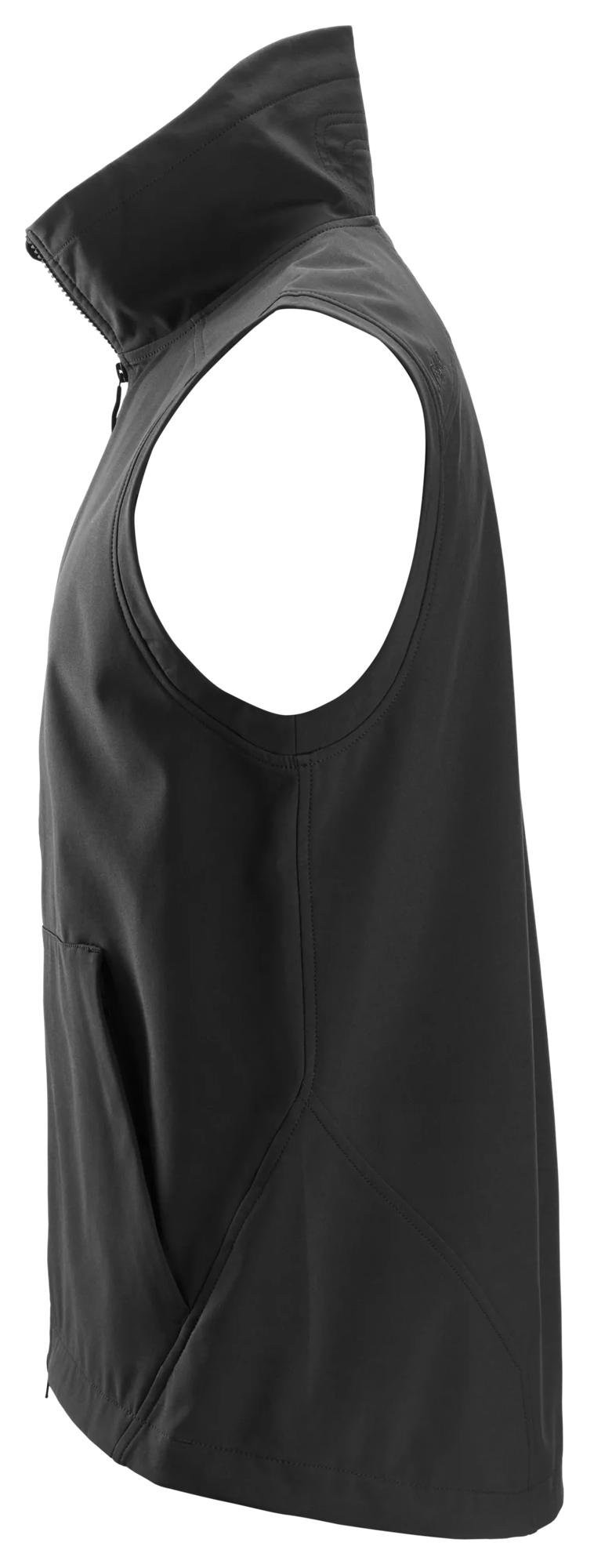

Partner With a Softshell Vest Manufacturer Today
Send your tech pack, sketch, or requirements to Veelianpro for a project-specific quotation, with MOQ starting at 100 pieces per style and color.