





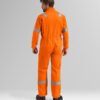

Develop utility coveralls with secure tool attachment and mobility.
Develop Custom industrial protective coveralls with Veelianpro
Custom Utility Coverall with Secured Tool Attachment Options can be OEM/private-label developed with an integrated attachment system and iPad pocket; MOQ starts from 100 pieces per style and color, conditional on fabric, trim, decoration and testing requirements.
Define the Workwear Brief
Choose protected front access, action-back shaping, adjustable waist, device storage and knee access..
Define the workplace hazard profile and required protective-performance targets before fabric selection begins. Identify likely exposure, work environment, wearer layering, care expectations and destination-market requirements. The approved shell, sewing thread, closures, reflective materials, labels and logo method should be specified as one garment system, then submitted for relevant testing on the exact final style.
Choose a stand collar, protected front closure arrangement, action-back shaping, adjustable waist, cuff treatment and leg fit around real work movements. Supply wearer measurements, size range and grading expectations early. Fit samples can assess reach, bending, climbing, seated comfort and room for normal base layers or site equipment before production specifications are released.
Map each pocket, loop or attachment option to a real item and work routine. Chest, thigh, sleeve, pen, detector, radio and device storage can be positioned for practical access. Confirm dimensions, flap or zipper preference, glove use, harness interference and drainage needs. Secured-tool attachment solutions require project-specific loading, placement and validation review.
Select the base colour and reflective-detail layout from the site brief and planned wearer tasks. Consider placement across shoulders, torso, sleeves and lower legs while preserving mobility and pocket access. Confirm knee-pad access, reinforcement zones and wear areas for frequent kneeling or abrasion. Any required visibility performance remains a target for the approved style.
Fabric, Fit and Construction Options
Source fabrics and trims for climate, laundering and protective targets.
Plan tool, radio, detector and device locations; validate attachments.
From Brief to Approved Sample
Patterns, samples, sourcing, decoration, labels and packing supported. Test approved protective styles. MOQ from 100 pieces per style and color, conditional on requirements.
- Brief Review Share hazards, wearer tasks, destination market, size range, quantities, branding, labels and packing requirements.
- Design Development Confirm fabric direction, fit, closures, pocket layout, trims, visibility details and decoration method for sampling.
- Sample Approval Review measurements, mobility, construction, logo execution and practical storage access during wearer-led sample assessment.
- Production Release Approve final specifications and any required testing before bulk manufacturing, inspection, labeling and packing.
What to Send for a Useful Quote
Program Details Provide industry, wearer tasks, destination market, hazard brief and required protective-performance targets.
Configuration Choices State preferred closure, pockets, attachment options, visibility layout, knee features and fit requirements.
Branding Package Send logo files, label content, packing instructions, size breakdown, quantities, colors and target delivery needs.
Custom industrial protective coveralls Procurement FAQs
Which work hazards and required standards should the approved coverall be tested against?
Start with a written hazard profile and nominate applicable performance targets. Match shell fabric, threads, closures, reflective components and decoration to that brief, then test the complete approved style. Confirm exposure types, task duration, layered clothing, laundering plan and the responsible approval standard before sampling begins.
Do you need a two-way front zipper with a protective storm flap or double front closure?
Specify a two-way zipper with a protective front arrangement when access and coverage are priorities. During sampling, check zipper operation with gloves, front overlap, collar closure and seated drape. Confirm that every closure component suits any protective-performance target, then approve the final configuration only after relevant testing.
Which tool, radio, gas-detector, pen, or device pockets should be included, and where should they sit?
Map each pocket to a real carried item and working posture. Options can include chest, sleeve, thigh, pen, detector and device storage, with flap or zipper choices where suitable. Review access while climbing, bending, driving and wearing gloves; confirm dimensions, drainage needs and interference with harnesses before approval.
Will workers need a secured attachment solution for tools used at height?
Specify attachment points only for tools, lanyards and load limits defined in the project brief. Position them away from closures and snag zones, then evaluate movement, reach and compatibility with other PPE. A retained-tool solution should be developed and validated for the approved garment configuration and work-at-height application.
What reflective tape layout and base color are required for site visibility rules?
Choose the base color and reflective layout from the site visibility brief and wearer tasks. Plan placement around the torso, sleeves, shoulders and lower legs where it supports movement and required coverage. Confirm tape type, seam treatment, contrast, laundering method and any visibility-performance target on the approved garment style.
Do you require action-back mobility, an elasticated waist, reinforced knees, or knee-pad pockets for the intended tasks?
Select mobility and durability features from the daily task profile. An action back, adjustable waist, reinforced knee zones and knee-pad access can be developed as practical options. Check crouching range, kneeling frequency, pad dimensions, seam placement, abrasion zones and comfort over base layers during fit samples before final approval.
Discuss Your Custom industrial protective coveralls Program
Share hazards, sizes, artwork, layout and quantities.



Reviews
There are no reviews yet.