
Flame Resistant Workwear Evidence Checklist for OEM Buyers
Use this flame-resistant workwear evidence checklist with a custom workwear manufacturer in China to verify hazards, test evidence, fit, construction, and supplier readiness before sampling.
What to Verify in a Flame-Resistant Workwear Program
Veelianpro helps OEM, ODM, private-label and wholesale buyers move from hazard requirements to documented samples and controlled production.
Hazard Suitability
Match flash fire, arc flash, heat, sparks, and electrical exposure to the requested protection scope before selecting fabrics or garment designs.
Material & Garment Evidence
Request fabric composition, weight, shrinkage, flame behavior, seam strength, thread, closures, trims, lining, and finished-garment test documentation for review.
Standards & Labels
Confirm applicable standards, ratings, certification scope, test reports, care instructions, fiber content, size information, and traceable garment labeling before approval.
Fit & Comfort
Evaluate sizing, mobility, layering, breathability, moisture management, pocket access, and wearer comfort through representative samples and intended-use trials.
Construction & Branding
Review reinforcement, bartacks, stitching, gussets, reflective placement, decoration, labels, packaging, and private-label details against the approved tech pack.
Care & Sample Validation
Document washing, repair, storage, inspection, replacement triggers, and sample sign-off so production teams can preserve performance consistently.
Workwear Categories Built Around Your Requirements
Develop practical garments for industrial, safety, service and uniform programs with clear construction, customization, MOQ and evidence requirements.

Work Shirts
Develop custom work shirts from a tech pack, sketch, sample or product idea. Veelianpro supports fabric and trim sourcing, pattern development, sampling, size grading, branding and production for industrial, service and uniform buyers seeking repeatable specifications.
Request a Workwear Quote
T-Shirts & Polos
Create custom T-shirts and polo shirts with selected fabrics, colors, sizing and branding methods. Options may include embroidery, screen printing, heat transfer, patches and woven labels, with sampling and grading support before wholesale or private-label production.
Request a Workwear Quote
Custom Work Jackets & Outerwear
For buyers evaluating a custom work jacket manufacturer, develop outerwear around weather protection, insulation, fabric weight, pocket layout, and branding requirements. Veelianpro can support softshell, fleece, padded, and rain-jacket development, subject to intended use, materials, and project specifications.
Request a Workwear Quote
Work Vests & Bodywarmers
Develop custom work vests and bodywarmers with practical pocket systems, selected insulation or fabric construction, color requirements and branded details. Buyers can define fit, size range, decoration and intended work setting before sampling and production review.
Request a Workwear Quote
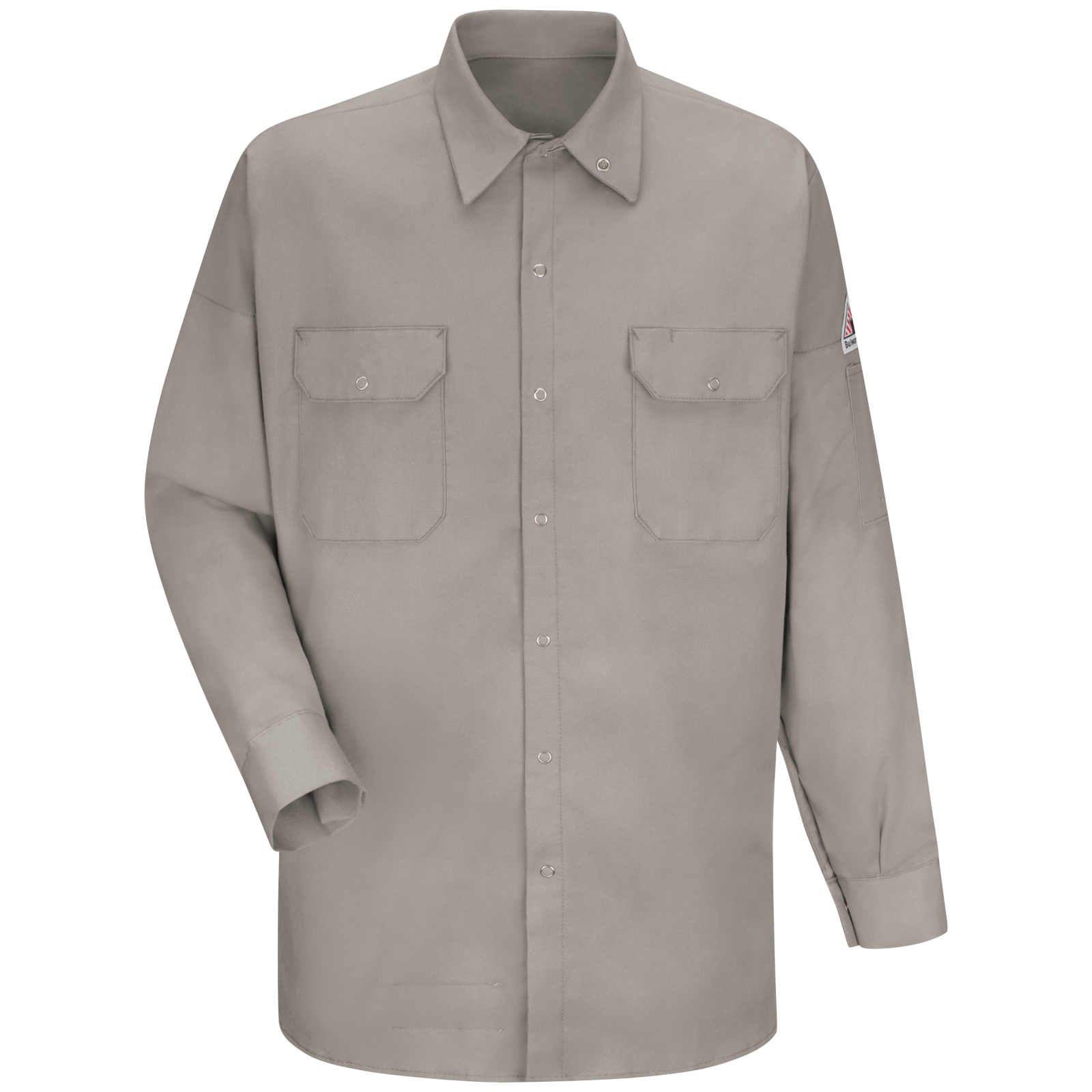
Custom Work Pants & Shorts
For buyers seeking a custom work pants manufacturer, specify fabrics, waist construction, pocket systems, reinforcement, bartacks, gussets, and stitching details. Veelianpro supports pattern development, grading, sampling, and production for distributors, uniform buyers, traders, and workwear brands.
Request a Workwear Quote
Custom Coveralls & Bib Overalls
For buyers comparing a custom coverall manufacturer, develop work coveralls and bib overalls for industrial, service, or specialist applications. Specify closures, pockets, reinforcements, fit, fabric, branding, and size range; protection claims remain subject to SKU-specific testing and documentation.
Request a Workwear Quote
Workwear Sets
Coordinate custom workwear sets with consistent fabrics, colors, trims, sizing and branding across multiple garments. Veelianpro can support two-piece work suits and coordinated programs from development through sampling, quotation, production, inspection and export preparation.
Request a Workwear Quote
High-Visibility Workwear
For buyers seeking a high visibility workwear manufacturer, define garment types, reflective tape placement, background colors, fabric construction, and intended work environment. Required visibility standards and certificates must be identified by the buyer and confirmed through exact SKU-specific test evidence.
Request a Workwear Quote
Flame-Resistant & Arc-Rated Wear
For buyers evaluating an FR workwear manufacturer, develop flame-resistant and arc-rated garments around the required design, fabric, construction, and intended hazard environment. FR or arc-rating claims require applicable standards, test reports, and certification scope for the exact SKU.
Request a Workwear Quote
Chemical-Protective Clothing
Develop chemical-protective clothing after confirming the chemical type, exposure conditions, garment coverage, material requirements and applicable test method. Veelianpro can support product development, but chemical resistance claims require exact evidence for the finished SKU and stated protection scope.
Request a Workwear Quote
Cold-Storage Workwear
Develop cold-storage workwear with specified insulation, layering, mobility, closures, fit and temperature-use requirements. Buyers should define the work environment and performance target; any temperature rating must be supported by documented testing for the exact garment.
Request a Workwear Quote
Welding Workwear
Develop welding workwear with selected fabrics, coverage, closures, reinforcement and pocket details suited to the intended welding environment. Any heat, flame or molten-metal protection claim requires the applicable standard and SKU-specific test evidence before publication or purchase.
Request a Workwear Quote
Medical & Cleanroom Wear
Develop medical and cleanroom wear with defined fabrics, fit, closures, color, cleanliness requirements and branding. Cleanroom, ESD or medical-use claims depend on the intended environment and documented product evidence, rather than the category name alone.
Request a Workwear Quote
Chef & Hospitality Uniforms
Create chef and hospitality uniforms with practical fits, fabric choices, color programs, branding, and coordinated sizing. Veelianpro can support chef clothing, polos, shirts, aprons, or related service garments for hospitality brands, wholesalers, and uniform procurement teams.
Request a Workwear Quote
Industry Uniforms
Develop custom industry uniforms around the buyer’s operating environment, workforce roles, garment mix, branding, and replenishment needs. Veelianpro is a Wuhan, Hubei workwear manufacturer supporting OEM, ODM, private-label, and wholesale programs, with MOQ starting at 100 pieces per style and color subject to project requirements.
Request a Workwear Quote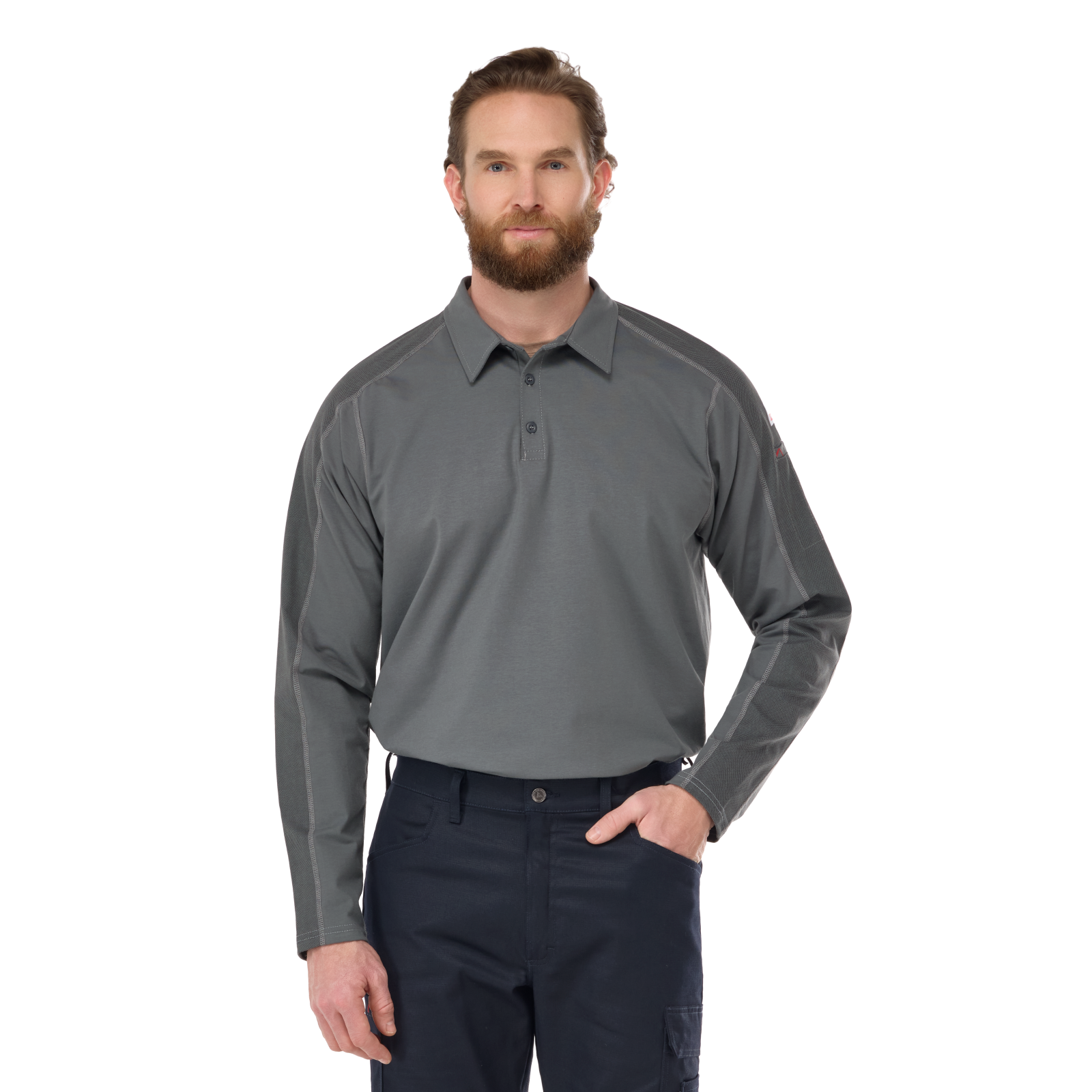
Base Layers & Accessories
Develop base layers and accessories with specified fabrics, fit, layering purpose, colors, labels and branding details. Buyers should identify the intended work setting, size range and performance target; any thermal, protective or technical claim requires supporting product evidence.
Request a Workwear QuoteFrom Hazard Brief to OEM-Ready Samples
Veelianpro guides buyers from hazard requirements and evidence review through tech-pack development, sampling, quotation, production, inspection, and shipment, with protection claims confirmed against SKU-specific test documentation.
Define Requirements
Share your hazard profile, garment category, target standards, size range, branding needs, destination, quantity, and timeline for a practical feasibility review.
Build the Tech Pack
Translate approved requirements into a tech pack covering fabric, trims, construction, labeling, decoration, measurements, care instructions, and evidence required for the finished garment.
Validate the Sample
Review the sample against the flame resistant workwear evidence checklist, confirming fit, mobility, seams, closures, protective design targets, branding, and documentation before quotation.
Approve Production
Approve the controlled specification, then Veelianpro coordinates production, inspection, packing, shipment, and reorder notes against the agreed scope and evidence requirements.
flame resistant workwear evidence checklist: OEM Guide
Use this decision framework to verify hazards, tested performance, labels, fit, construction, care, and supplier capability while avoiding unsupported certification claims, unclear specifications, and sampling mistakes in custom industrial apparel programs.
1. What Is a Flame Resistant Workwear Evidence Checklist?
1 file is the minimum useful starting point: a flame resistant workwear evidence checklist is a buyer-controlled record of hazards, required protection, specifications, test evidence, labels, care instructions, and approval decisions. It is not a substitute for a supplier’s marketing statement or an unsupported ‘FR’ claim. 2 evidence levels must remain separate: a design target describes the intended fabric, construction, fit, or rating, while a verified result is supported by an applicable test report, certificate, or finished-garment evaluation. The file should ask whether the garment suits the actual hazard, whether fabric, seams, closures, trims, and labels meet the required scope, and whether fit, mobility, layering, washing, repair, and storage instructions are documented. 100 pieces per style and color is Veelianpro’s stated starting MOQ, subject to fabric, certification, and construction requirements.
2. Evolution and History of Flame-Resistant Workwear
Before modern standards, industrial uniforms mainly provided coverage, durability, and basic utility; they were not automatically validated for specific thermal or electrical hazards. Comfort also became a procurement factor because breathability, fit, mobility, and layering influence whether workers consistently wear the specified system. 2012 is the stated start of Veelianpro’s workwear operation, which supports custom development from a buyer’s tech pack, sample, or product idea. For modern sourcing, a flame-resistant workwear evidence checklist should trace the approved fabric and construction through testing, labeling, care instructions, sampling, quality checks, and supplier-controlled production; a design target must remain separate from a documented performance claim.
3. Types in a Flame Resistant Workwear Evidence Checklist
Five garment categories cover different exposure patterns; FR is not a universal rating.
Start With Hazard Separation
Flash-fire garments address brief flame exposure; arc-rated garments address electrical arc-flash energy. Heat, welding sparks, molten metal, and chemical risks may require additional task-specific evidence.
Compare Garment Categories
Each category needs evidence matched to its intended use, not a generic FR statement. Confirm whether protection applies to the complete garment, specific layers, or only the fabric component.
| Type | Hazard | Wearer | Evidence | Approval checkpoint |
|---|---|---|---|---|
| FR shirts and pants | Flash fire, heat | Routine industrial crews | Fabric and finished-garment reports | Coverage, mobility, labels |
| Coveralls | Flash fire, sparks | Oil, gas, maintenance | Full-garment construction evidence | Closure and seam continuity |
| Jackets and outerwear | Weather plus heat | Outdoor workers | Shell, lining, trim evidence | Layering and sleeve overlap |
| Arc-rated workwear | Arc flash | Electrical workers | Arc rating and applicable certification | System rating and fit |
| Task-specific layers | Welding or combined hazards | Specialist operators | Layer compatibility and task tests | Complete PPE ensemble |
4. Materials and Fabrics: Evidence Checklist for FR Workwear
Four evidence groups belong in a flame resistant workwear evidence checklist: fiber behavior, fabric performance, laundering, and traceability.
| Fabric Type | GSM Range | Comfort Trade-Off | Likely Use | Evidence To Request |
|---|---|---|---|---|
| Inherently resistant fiber | 180–320 | Durable; cost and hand feel vary | Higher-risk industrial layers | Fiber composition, supplier data, test scope, lot traceability |
| Treated cotton | 180–300 | Soft and breathable; treatment durability needs proof | General industrial workwear | Treatment specification, wash-cycle results, shrinkage and color data |
| FR blend | 160–280 | Balances comfort, strength, and moisture control | Warm-climate or layered programs | Blend ratio, performance reports, abrasion and tear results, batch records |
Fiber And Treatment Comparison
Three routes require separate review: inherently resistant fibers, chemically treated fibers, and blends. Request exact composition, treatment chemistry or fiber identity, finish, color, technical data sheet, and test scope for the submitted fabric. A 100% label is insufficient evidence.
Comfort And Mechanical Performance
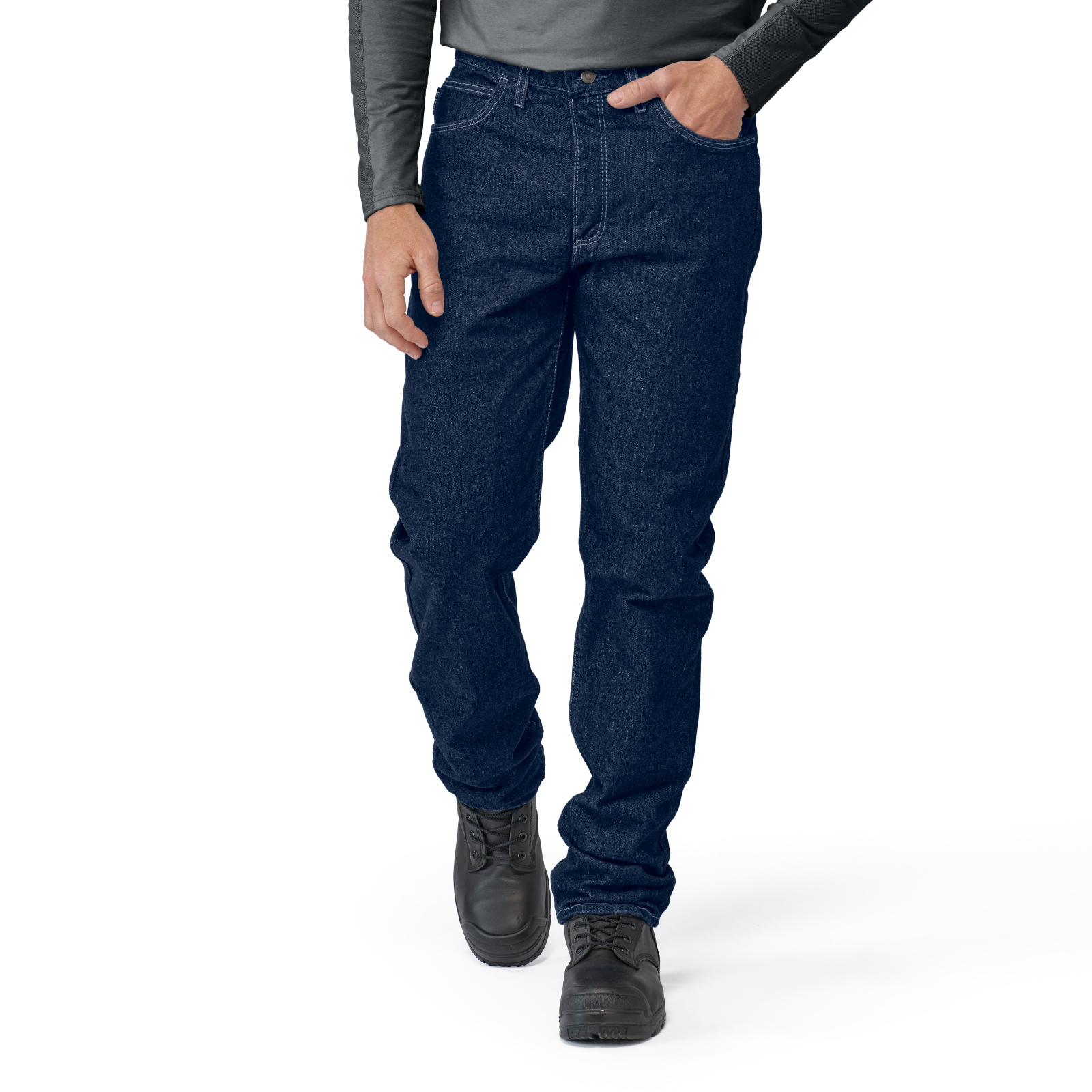
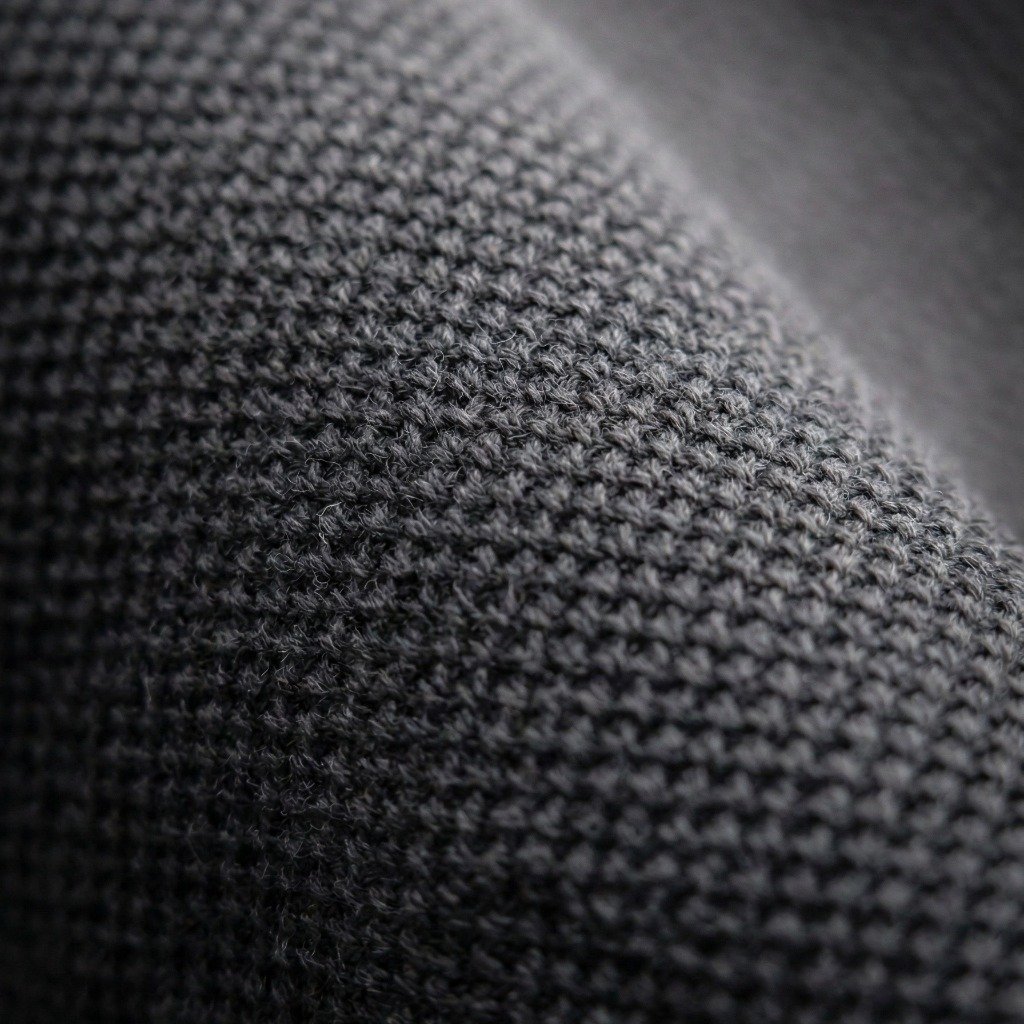
150–350 GSM is a useful comparison window, but the correct weight depends on climate, layering, and hazard. Check breathability, moisture management, shrinkage, abrasion resistance, tear strength, and colorfastness alongside protection.
Laundering And Traceability
Five records should travel with approval: composition, technical data, color standard, applicable test reports, and batch or lot identification. Match the bulk roll and dye lot to the approved sample before cutting. Each style should carry documented washing temperature, detergent restrictions, drying method, shrinkage allowance, and expected laundering conditions.
5. Customization and Decoration Options to Verify
100-piece starting MOQ applies to each style and color, subject to fabric, certification, and construction requirements.
Choose The Development Route
OEM uses the buyer’s approved pattern or tech pack; ODM adapts an existing design; private label adds brand identity to an agreed garment.
Check Decoration Compatibility
Every thread, trim, zipper, snap, adhesive, label, and patch must suit the intended hazard and remain compatible with the tested garment.
Approve Samples Before Production
Approve a size-set sample for fit, mobility, color, reflective visibility, pocket access, label wording, and decoration placement.
- Record approved fabric, trims, artwork, labels, and packaging.
- Tie MOQ and pricing to customization complexity.
- Re-test when materials or construction change.
6. Key Construction Quality Elements on the Evidence Checklist
A finished garment can fail even when its fabric certificate is valid.
Seams And Load Points
Every finished sample should show consistent stitch density, secure seam allowances, and no skipped or loose stitches. Test seam strength at shoulders, crotch, inseams, and side seams because failure can expose skin during bending, climbing, or kneeling. Bar tacks and pocket reinforcement should be present where tools or movement create concentrated loads.
Closures And Coverage
Zippers, snaps, hook-and-loop sections, cuffs, hems, and gussets must operate smoothly without snagging, opening, melting, or creating uncovered gaps. Check closure placement while the wearer reaches, crouches, and layers garments. Pocket openings and knee areas need reinforcement that preserves mobility.
Finish, Fit, And Records
Measure the approved sample for size, sleeve and inseam length, hem alignment, shrinkage, and dimensional stability after the specified wash process. Inspect labels, care instructions, branding, reflective trims, color consistency, and overall workmanship for production repeatability. Record defects by size and color, retain the inspected sample, and request reports covering the finished construction and components.
7. How to Choose a Flame-Resistant Workwear Manufacturer
1. Hazard definition and target-market rules should precede any quote: identify flash fire, arc flash, welding, chemical, heat, or electrical exposure and the destination standards.
| Supplier factor | Evidence to compare | Approval question |
|---|---|---|
| Communication | Clear replies and document control | Are risks and unknowns disclosed? |
| Sampling | Prototype, grading, revisions | Can fit and construction be corrected? |
| Quality assurance | Inspection records and traceability | Can claims remain evidence-based? |
Request Traceable Technical Evidence
2. Request fabric composition, weight, trim specifications, construction details, applicable standard, test report number, laboratory, test date, and certificate scope. Match every document to the proposed style, color, component, and market. 3.
- Check report identity and laboratory traceability
- Confirm standard edition and geographic scope
- Match evidence to exact style and components
Audit Sampling And Production Controls
4. Vielianpro begins with a tech pack, sketch, sample, or product idea and can support sourcing, grading, cutting, sewing, reinforcement, inspection, packing, and export coordination. Ask how material lots, approved trims, inline checks, and final inspections are recorded. 5.
- Test representative preproduction samples
- Record approved materials and measurements
- Define replacement and nonconformance handling
Compare Supplier Control And Support
6. Compare communication, sampling speed, MOQ flexibility, quality assurance, labeling accuracy, replacement support, and change-control discipline. Veelianpro states a starting MOQ of 100 pieces per style and color, subject to fabric, certification, and construction requirements. 7. Document any change to fabric, trim, thread, pattern, factory process, or label; require renewed review before release.
8. Common Flame Resistant Workwear Checklist Mistakes
Three recurring errors weaken an otherwise sound flame resistant workwear evidence checklist: approving claims without scope, testing fabric without the finished garment, and treating lifecycle controls as optional.
Equivalence And Certification
One label reading FR does not establish protection for every hazard. Match the garment to the required flash-fire, arc-flash, heat, or welding standard, then review the exact test report, rating, certificate scope, and sewn-in label. A vague phrase such as certified or compliant is not approval evidence.
Finished Garment Verification
A fabric report alone cannot validate a coverall, shirt, or jacket. Sample the finished garment and check seams, thread, closures, labels, linings, trims, reflective tape, pocket construction, and dimensional change after washing. Low pricing often hides omitted controls or substitutions.
Fit, Decoration, And Lifecycle
Poor fit and ignored layering can create exposed gaps or discourage consistent wear. Conduct size-set trials for mobility, reach, seated work, climate, and base-layer compatibility; approve decoration only after confirming thread, ink, patch, and placement suitability. Unwashed samples conceal shrinkage and care problems.
9. Steps to Launch Your Flame Resistant Workwear Program
Four launch gates turn a flame-resistant workwear evidence checklist into a controlled sourcing program.
Define Hazards And Requirements
Step 1: the safety team documents flash-fire, arc-flash, heat, spark, chemical, climate, and layering hazards. The brand converts these findings into a specification brief covering garment type, applicable standard, rating, fabric, trims, size range, colors, and care conditions. The distributor confirms worker roles, destination rules, and replacement expectations.
Shortlist And Request Evidence
Step 2: the brand and distributor shortlist manufacturers able to support the required OEM, ODM, or private-label scope. Request fabric composition, test reports, certification scope, construction details, labels, care instructions, and traceability for the proposed garment. Veelianpro can review a tech pack, sketch, sample, or product idea and coordinate sourcing through export.
Validate Samples Before Approval
Step 3: the manufacturer produces a prototype, then a graded size set; the brand and safety team assess fit, mobility, breathability, layering, closures, seams, and branding. Wear and wash trials should record shrinkage, color, damage, comfort, and care compliance. Go only when test results and user feedback meet the brief.
Release, Inspect, And Maintain
Step 4: agree conditional MOQ, production tolerances, inspection points, labels, packaging, delivery documents, and replacement responsibilities. The manufacturer completes production inspection; the brand checks the approved sample, quantities, labels, and evidence before shipment. After delivery, distributors retain issue, wash, repair, contamination, and replacement records.
10. Flame Resistant Workwear Pricing and Cost Evidence
100 pieces per style and color is Veelianpro’s stated starting MOQ, subject to fabric, certification, and construction requirements. Request a line-item quote separating fabric composition and GSM, garment complexity, trims, decoration, labels, packaging, sampling, tooling, testing, shipping, and rework risk; all figures remain quote-dependent. 2012 marks the stated start of Veelianpro’s workwear operation, but it does not establish a standard price or lead time.
| Quantity Tier | Indicative Cost Components | Setup or Testing Costs | Lead-Time Assumption | MOQ Conditions |
|---|---|---|---|---|
| 100–299 pieces | Higher unit cost may reflect fabric, GSM, complex construction, trims, decoration, labels, packaging, and rework risk. | Sampling, tooling, and required testing quoted separately. | Quote-dependent; confirm after approvals. | Meets the stated 100-piece starting MOQ only if style, color, fabric, and certification requirements allow. |
| 300–999 pieces | Tier pricing may improve; retain separate freight, packaging, and compliance lines. | Setup and testing may be spread across the order; confirm scope. | Quote-dependent; confirm after approvals. | Confirm fabric availability and color count. |
| 1,000+ pieces | Potentially lower unit cost, but complexity, branding, shipping, and inspection remain separate drivers. | Confirm repeat testing, tooling, labels, and packaging changes. | Quote-dependent; confirm after approvals. | Confirm production capacity, delivery split, and destination. |
| Approved reorder | Use the approved specification as the baseline; price changes may follow fabric, quantity, or construction changes. | Re-test or re-sample when materials or protective claims change. | Confirm against current capacity and material availability. | Reconfirm MOQ and evidence before every reorder. |

Workwear Fabrics Selected for the Job



Custom Workwear Manufacturer Processes for Branding and Durability


Functional Trims and Brand Accessories


Documentation to Review for Custom Workwear


Flame resistant workwear evidence checklist FAQs
Practical answers for verifying hazards, documentation, garment construction, care requirements, and private-label sampling before approval.
What should a flame resistant workwear evidence checklist cover first?
Which standards and test reports belong on a flame resistant workwear evidence checklist?
What garment-level evidence should a flame resistant workwear evidence checklist include?
How can buyers evaluate fit and comfort in a flame resistant workwear evidence checklist?
What maintenance details should a flame resistant workwear evidence checklist verify?
When should FR garments be removed or replaced after inspection?
How does a flame resistant workwear evidence checklist support private-label sampling?
What should I send Veelianpro before requesting an FR workwear quote?
Ready to Validate Your Flame Resistant Workwear Evidence Checklist?
Send Veelianpro your garment, hazard, fabric, sizing, branding, quantity, destination, timeline, and required standard details for review.