
Custom Construction Clothes for OEM, ODM & Private-Label Workwear
Develop custom construction clothes with Veelianpro through OEM, ODM and private-label programs starting at 100 pieces per style and color, subject to requirements.
Featured Products for custom construction clothes Development
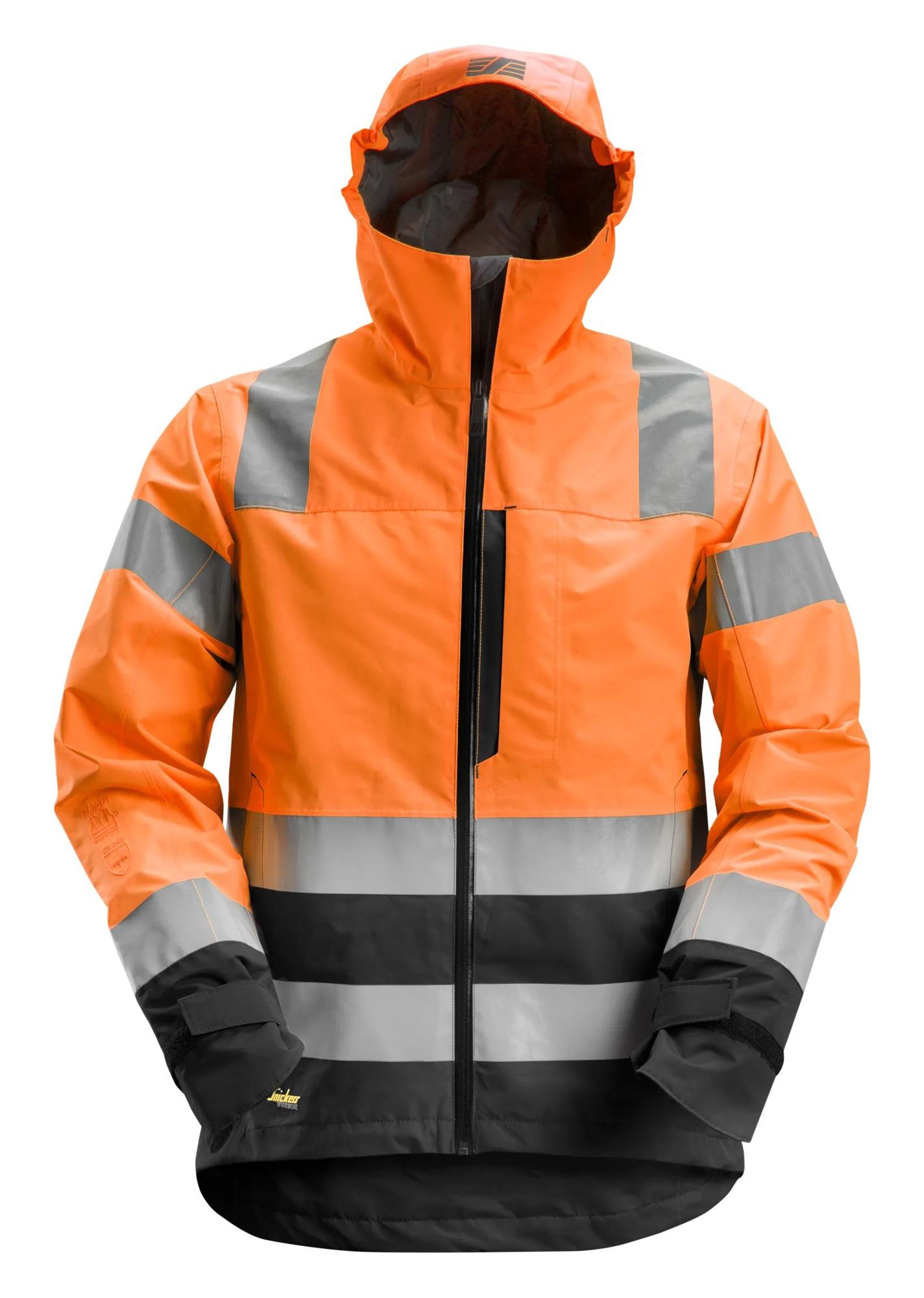


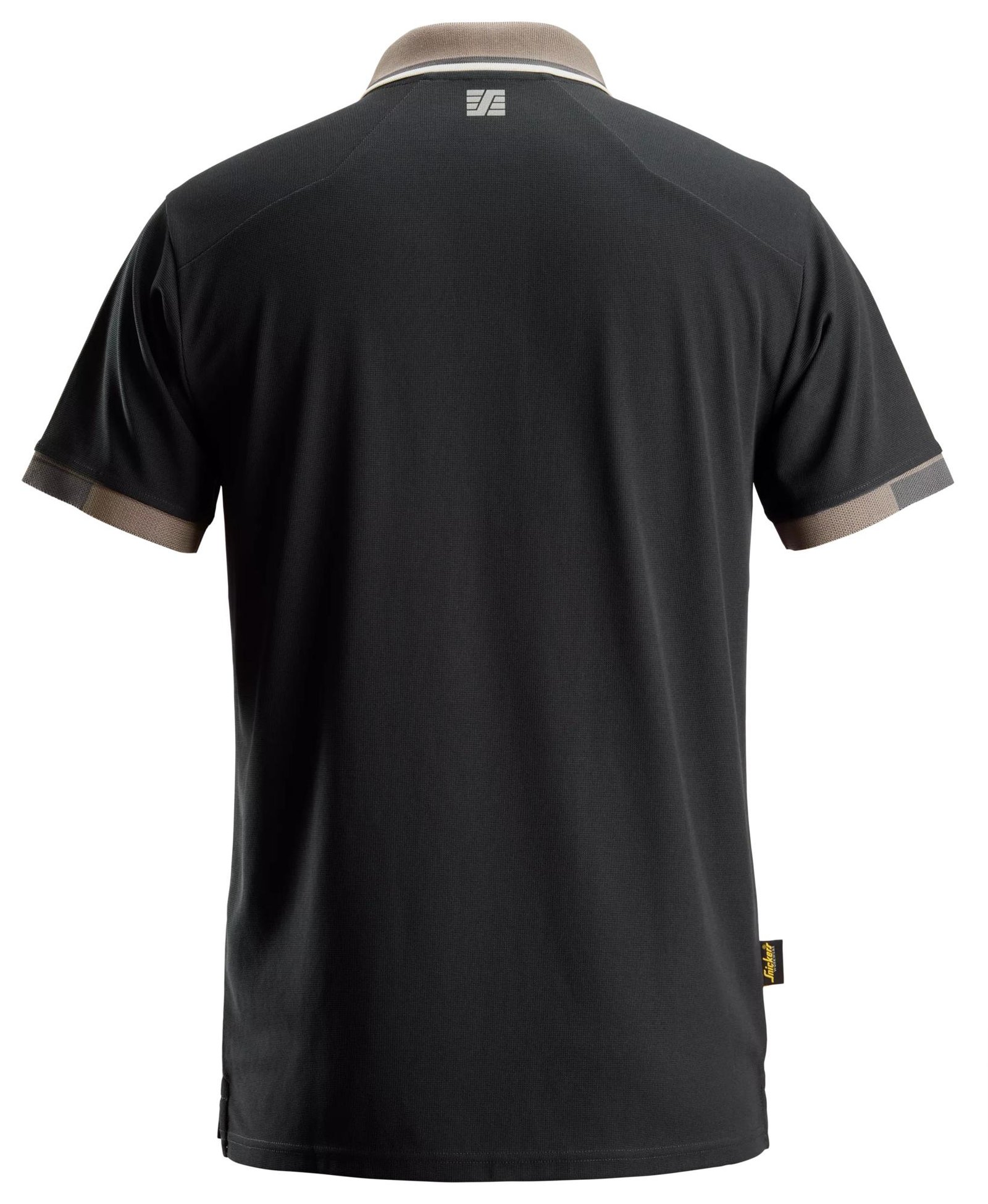


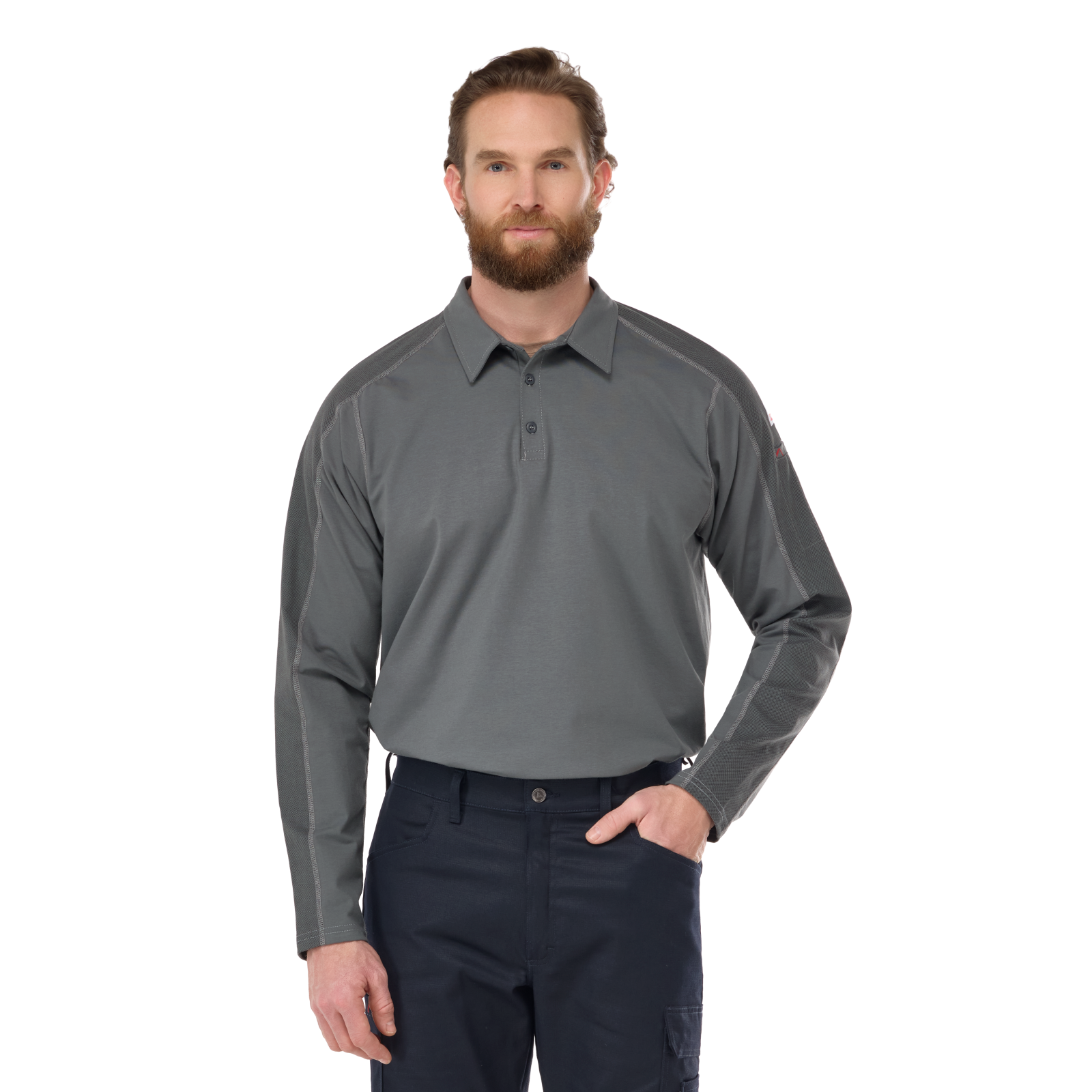
Related Construction Workwear Catalogue and Quotation



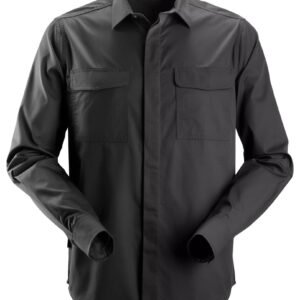

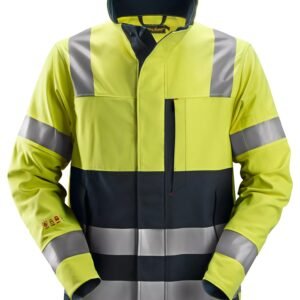
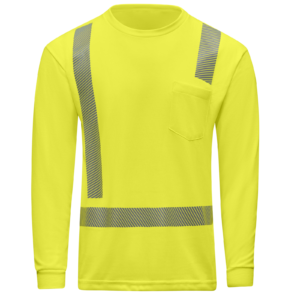
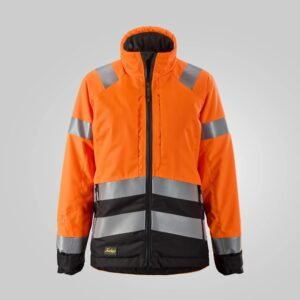


Why Choose Veelianpro for Custom Construction Clothes
Build a coordinated construction workwear range with practical development support, flexible customization and export-ready production for your market.
OEM, ODM and Private Label
OEM, ODM, private-label and wholesale programs support branded construction ranges for distributors, uniform buyers, wholesalers and enterprise sourcing teams.
100-Piece Starting MOQ
Start with 100 pieces per style and color, subject to fabric, certification and construction requirements confirmed during feasibility review.
Development From Your Idea
From tech pack, sketch or idea, Veelianpro supports pattern development, sampling, size grading, fabric sourcing and production-ready specifications.
Construction-Focused Customization
Customize pocket systems, reinforced knees, bartacks, stitching, reflective tape, weather protection, labels and decoration for your target work setting.
Organized Export Coordination
Cutting, sewing, quality checks, packing and export coordination keep multi-category workwear orders organized from approved sample through shipment.
Construction Workwear for Demanding Crews
Custom-developed garments and accessories for jobsite visibility, mobility, weather coverage and everyday durability.

Construction Work Pants
Work trousers, cargo pants and shorts developed around pocket layouts, reinforced knees, bartacks, triple stitching and gusset options. Specify fabric composition, color, size range, tool-carrying needs and branding treatment for construction crews, distributors or private-label collections.
Get a Quote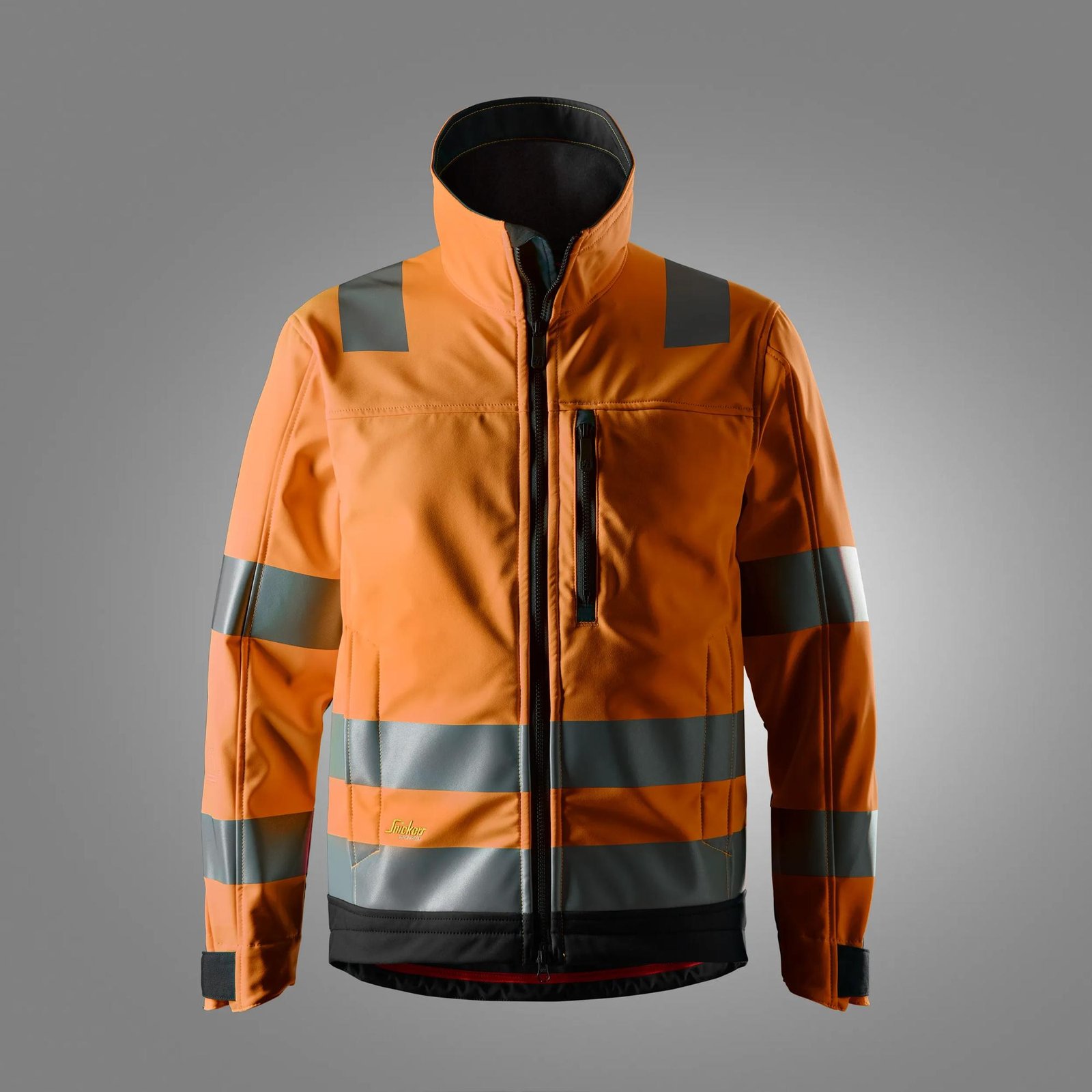
Construction Hi-Vis Wear
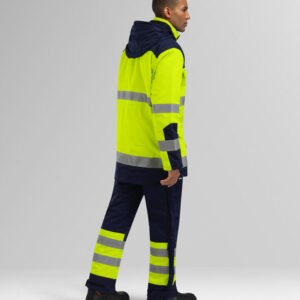
High-visibility vests, shirts, jackets and coveralls can be developed with reflective tape placement, garment color, pocket configuration and branding aligned to the intended work setting. Provide the required standard and certification scope when documented protective performance is needed.
Get a Quote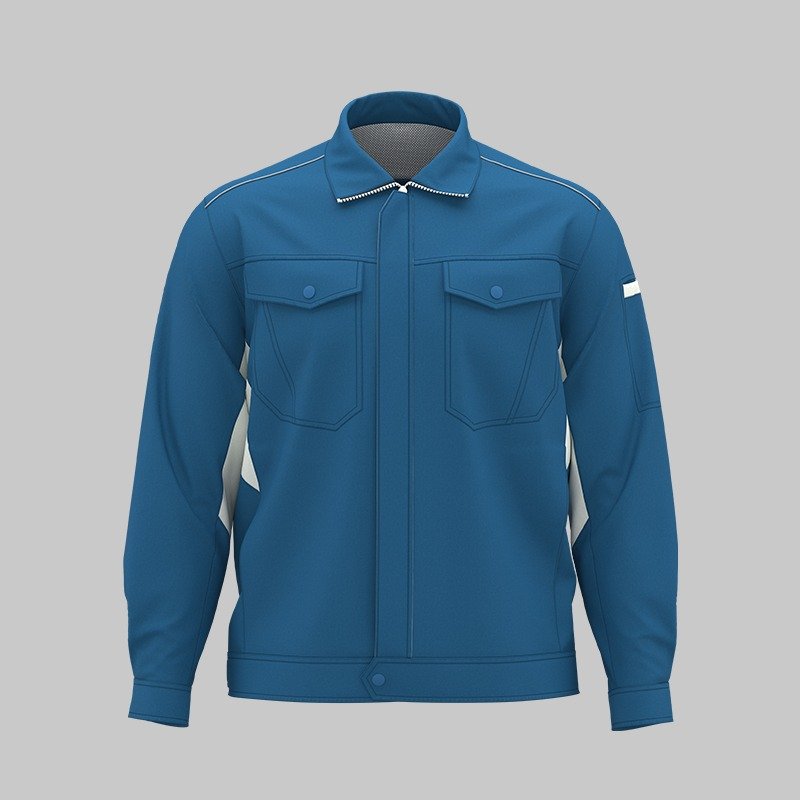
Construction Jacket
Softshell, fleece, padded, and rain-jacket programs for construction teams that need seasonal layering options. Development can include fabric selection, closure and pocket details, reinforcement areas, reflective trim placement, logos, labels, and custom packaging according to the approved design.
Get a Quote
Hard Hat Liner
Hard-hat liner requests should be reviewed as project-specific accessory development, rather than assumed to be part of the garment range. Provide the intended attachment method, coverage shape, color, labeling, and any applicable performance requirement for feasibility review; do not make temperature or protective claims without project-specific evidence.
Get a QuoteMaterials for Durable Custom Construction Clothes




Custom Construction Clothes: Decoration and Production Processes



Custom Construction Clothes with Consistent Trims and Accessories


About Veelianpro: Custom Construction Clothes
Hubei Veelianpro Workwear Co., Ltd. is a Wuhan-based manufacturer serving industrial, safety, hospitality and service brands. The company profile states that its workwear operation began in 2012, with a mission to help buyers turn construction apparel concepts into dependable, brand-ready product ranges through OEM, ODM, private-label and wholesale programs.
Veelianpro supports the complete development path, from a tech pack, sketch, sample or product idea through fabric and trim sourcing, pattern development, sampling, grading, cutting, sewing, reinforcement, decoration, quality checks, packing and export coordination. Buyers can refine fit, pocket systems, stitching, branding and weather details with one experienced production partner.
The difference is a practical, specification-led approach for workwear brands, distributors, wholesalers and enterprise sourcing teams. Production starts at 100 pieces per style and color, subject to fabric, certification and construction requirements, while specialist protection claims remain dependent on SKU-specific testing and documentation. This keeps each custom construction clothes program aligned with its intended use and evidence requirements.

Core Capabilities Behind Custom Construction Clothes
Tech-Pack to Production Plan
Veelianpro reviews your tech pack, sketch, sample, or product idea and translates requirements into a practical construction plan. Buyers can align garment purpose, fit, fabric, trims, branding locations, target quantity, and production expectations before sampling begins.
- Tech-pack and sketch interpretation
- Fabric and trim requirement review
- Construction and branding detail alignment
- Feasibility planning for OEM and private label

Patterns, Grading, and Sampling
Pattern development and sample making help confirm proportions, movement, pocket placement, and construction details before bulk production. Veelianpro can develop size grading around the approved fit and revise samples against your technical requirements, intended work setting, and range strategy.
- Pattern development from approved references
- Size grading for defined size ranges
- Sample review and revision support
- Fit validation before production approval

Reinforced Jobsite Construction
Construction details can be specified around how the garment will be used, from reinforced knees and bartacks to gussets, triple stitching, pocket systems, and reflective tape placement. These choices help buyers balance durability, comfort, mobility, and visibility goals without overstating unverified protection claims.
- Reinforced knees and high-stress areas
- Bartacks, gussets, and triple stitching
- Functional pocket and closure systems
- Reflective placement based on design requirements

Decoration and Quality Control
Veelianpro coordinates decoration, finishing, inspection, packing, and export preparation for construction clothing programs. Buyers can select embroidery, screen printing, heat transfer, patches, woven labels, care labels, and custom packaging, with final specifications and quality checks aligned to the approved sample.
- Embroidery, printing, patches, and labels
- Custom packaging and care-label coordination
- Inspection against approved specifications
- Packing and export coordination

Custom Construction Clothes: Compare Supply Routes
Compare full garment development with an off-the-shelf garment and decoration route before you standardize a crew program. Starting MOQ is subject to fabric, certification and construction requirements.
← Swipe left or right to view →
Custom Construction Clothes: From Brief to Shipment
Veelianpro guides custom construction clothes from feasibility review through material sourcing, pattern development, sampling, production, quality checks, packing and export coordination.
Review Your Project
Share your garment type, work setting, materials, size range, colors, branding, quantity, destination and timeline. Veelianpro reviews feasibility and confirms project requirements.
Develop Construction Details
Select fabrics, trims and protection targets, then develop patterns and construction details such as pockets, reinforced knees, bartacks, stitching and reflective placement.
Approve Samples
Approve samples and graded sizes before production. Fit, branding locations, decoration methods and required test documentation are reviewed against the approved development brief.
Produce Your Range
Cutting, sewing, reinforcement, decoration and finishing follow the approved specifications. Quality checks monitor workmanship, measurements, branding execution and packing readiness throughout the order.
Inspect and Ship
Veelianpro completes final inspection, packing and export coordination, preparing your custom construction clothes for shipment and future reorder support based on the agreed schedule.
How to Order Custom Construction Clothes
Follow a practical development path from your initial concept through specification review, sampling, production approval, inspection and export coordination.
Submit Your Project Brief
Share your tech pack, sketch, sample or concept, plus garment type, materials, sizes, colors, branding, quantity, destination and timeline.
Confirm Specifications and Feasibility
Review construction details, fabric and trim options, branding placements, protection requirements, target quantities and the 100-piece starting MOQ per style and color, subject to requirements.
Review the Sample and Quotation
Evaluate fit, size grading, workmanship, decoration and revision needs, then approve the quotation and final specifications for production with confidence.
Approve the Final Order
Approve the order after final sample review; Veelianpro then cuts, sews, reinforces, decorates, checks, packs and coordinates export shipment details.
Custom Construction Clothes: Certifications and Compliance Documentation


Custom Construction Clothes: Illustrative Procurement Scenarios
Illustrative scenario: A safety distributor develops a traffic-adjacent crew range by reviewing fluorescent fabric, reflective tape layout, and garment construction during sampling. Acceptance criteria: the approved sample, specified standard and required test evidence are confirmed before any protective claim is used.
Illustrative scenario: A uniform buyer consolidates field shirts, cargo pants, and supervisor outerwear into a branded construction program. Pattern development and size grading are adjusted after sample review. Acceptance criteria: approved measurements, pocket configuration, logo method, color references, and packing instructions are documented for production.
Illustrative scenario: A workwear brand launches custom construction clothes from a sketch, selecting fabric, reinforcement points, and decoration placement with Veelianpro. A prototype is refined before bulk approval. Acceptance criteria: signed-off construction details, branding artwork, size range, and a feasible MOQ from 100 pieces per style and color.
FAQ About Custom Construction Clothes
Practical answers for buyers planning OEM, ODM, private-label, or wholesale construction workwear programs with Veelianpro.
What is the MOQ for custom construction clothes?
Can Veelianpro develop custom construction clothes from my tech pack or sample?
How much do samples cost, and how long do they take?
What is the bulk production lead time for custom construction clothes?
What payment terms are available for a construction workwear order?
Can I add employee names or multiple logo locations to custom construction clothes?
How are custom construction clothes shipped to international buyers?
What specification evidence is available for protective construction workwear?
How does Veelianpro protect my construction clothing design and branding?
Custom Construction Clothes: A Buyer’s Guide
Build a jobsite-ready workwear program with practical garment, material, customization, quality, and supplier-selection criteria—while avoiding specification gaps, unsuitable decoration, incomplete quote scopes, and unverified safety assumptions.
1. What Are Custom Construction Clothes?
Custom construction clothes are a coordinated set of industrial or service garments configured for a crew’s tasks, site conditions, identification, and presentation. A program may combine work shirts, trousers, outerwear, vests, coveralls, or two-piece suits so field crews, supervisors, and service personnel share recognizable colors, logo placement, and practical garment features.
Branded workwear primarily identifies the employer or team through embroidery, printing, patches, labels, or packaging. Visibility-focused garments use conspicuous colors and reflective-tape layouts where the jobsite requires greater conspicuity; they should not be described as compliant high-visibility protection unless the exact garment and certification scope support that claim. Personal protective equipment addresses defined hazards and is a separate selection decision, not an automatic result of adding a logo or reflective tape.
Veelianpro develops custom construction clothes from a tech pack, sketch, sample, or product idea, with fabric and trim sourcing, pattern development, sampling, production, decoration, packing, and export coordination available within the project scope. Its starting MOQ is 100 pieces per style and color, but confirm the MOQ and available specifications for the selected style, fabric, decoration method, protective requirement, and total order scope before quoting. For a useful feasibility review, provide the work setting, size range, colors, branding artwork, quantity, destination, timeline, and any required standard or test documentation.
2. Planning a Construction Workwear Program
A construction uniform brief should start with wearer roles and site conditions, not with a logo placement alone. Field crews, supervisors, installers, visitors, and customer-facing staff may need different combinations of shirts, trousers, outer layers, vests, or coveralls while sharing approved colors, artwork, labels, and trim choices.
Document the role, task, weather exposure, tools carried, size range, and replacement needs for each garment. Where a visibility or other protective requirement applies, name the applicable standard and provide the required test or certificate scope before development; a bright garment or reflective-tape layout is a design choice, not documented protective performance.
For repeat ordering, retain the buyer-approved fabric and trim details, measurements, artwork files, placement dimensions, and packing rules in the program record. Veelianpro can review a tech pack, sketch, sample, or product idea and discuss sourcing, pattern development, sampling, decoration, packing, and export coordination within the project scope. The purchasing decision is how these documented requirements work together, not simply which garments look uniform.
3. Types of Custom Construction Clothes
Construction uniforms work best as a role-based system, not one garment issued to everyone. Combine core daily pieces with weather and visibility layers so crews, supervisors, visitors, and customer-facing staff have appropriate options.
Base-Layer Shirts And Polos
Tees and polos provide the daily branded layer for indoor crews, light-duty field teams, and office-facing supervisors. Choose polos where a more polished site-meeting appearance is needed; use tees for practical daily rotation.
Work Shirts
Long- or short-sleeve work shirts suit trades needing a structured uniform appearance and practical pockets. They can create a consistent look for forepersons, installers, and client-facing technical staff.
Trousers And Coveralls
Cargo trousers support crews that need accessible tool or utility pockets, while coveralls provide a single-garment option for dirty tasks. Bib overalls and two-piece work suits can be specified for different job functions.
Outerwear And Weather Layers
Softshell, fleece, padded, and rain jackets add seasonal layers without changing the core uniform. Assign layers by climate, season, and exposure, with separate options for field crews and office-based teams where appropriate.
Visibility-Focused Garments
Safety vests and high-visibility garment designs should be selected against the site’s applicable standard and documented requirement. Do not treat reflective tape placement or a bright color as proof of a certified performance level.
Labels, Patches, And Packaging
Patches, woven labels, care labels, and custom packaging can carry consistent program identification. A coordinated order can pair daily shirts and trousers with rain layers and vests according to each role’s approved garment list.
4. Materials for Custom Construction Clothes
Fabric selection should be documented by composition, structure, weight, color, finish, and the garment panels that will carry pockets, reinforcements, or branding. Veelianpro can discuss the final fabric, trims, and layer configuration around the selected product and job setting; approve these choices against a project sample and the intended care routine.
| Option | Practical Strengths | Trade-Offs | Suitable Uses |
|---|---|---|---|
| Cotton or cotton-rich woven | Specify composition, weight, weave, color, and finish in the brief | Confirm the approved sample, care method, and measurement tolerances | Work shirts, trousers, or coveralls, subject to sample approval |
| Cotton-polyester blend | Specify the fiber ratio, fabric weight, structure, and finish | Confirm the sample and the planned care routine before bulk approval | Uniform shirts, cargos, polos |
| Polyester knit | Specify knit structure, weight, color, and intended garment panel | Review pocket, reinforcement, and decoration locations on the prototype | Tees, polos, fleece layers |
| Layered shell construction | Define shell, lining, insulation, trims, and closure requirements | Review component placement and logo access on the sample | Softshell, rain, padded jackets |
Fiber Mixes for Daily Wear

Choose fiber content only after defining the garment category, intended care routine, decoration method, and construction details. Record the requested composition and target fabric weight in the tech pack, then approve the selected fabric against the project sample.
If a brief calls for stretch components, identify the specific panels and movement issue to be assessed during sampling. Confirm the final panel layout, decoration location, and sourcing feasibility before bulk approval.
Woven and Knit Structures
Select woven or knit construction through the garment brief and prototype review. State the intended garment category, panel layout, pocket and reinforcement details, and decoration method so the fabric choice can be assessed against the approved sample.
Confirm the garment panel, fabric construction, and decoration together before bulk approval. This avoids approving artwork independently from the surface, seam, and placement where it will be applied.
Layers for Changing Conditions
Specify shell, lining, insulation, closure, pocket, and branding requirements together rather than selecting an outer layer by appearance alone. Review the completed sample for panel access, decoration placement, and the approved construction details.
For weather or protective requirements, provide the work setting, applicable standard, and required documentation. A design request is not a tested performance claim.
5. Branding Options for Construction Workwear
Branding has to remain legible without interfering with pockets, closures, reflective tape, or weather layers. Build a repeatable placement plan before approving decoration samples across custom construction clothes.
| Decoration | Best Garment Structure | Artwork And Wear Trade-Off |
|---|---|---|
| Screen print | Flat shirt or tee panels | Can be considered for broad, simple graphics on approved flat panels |
| Embroidery | Polos, outerwear, caps | Can be considered for compact marks on approved structured panels |
| Heat transfer | Selected smooth panels | Can be considered for detailed color artwork; confirm placement on the approved garment panel |
Place Logos Around Work Zones
A left-chest logo can be planned for shirts, polos, and jacket fronts when the approved placement clears pocket edges and closures. Reserve larger back artwork for garments where harnesses, hoods, or equipment will not cover it.
- Left chest: primary brand mark
- Upper back: larger crew identifier
- Sleeve: compact division mark
Select a Decoration Method
Screen printing, embroidery, and heat transfer should be reviewed against the selected garment panel, artwork detail, and approved placement. Confirm the decoration method with a proof or sample before approving bulk production.
Coordinate The Garment Range
Use one primary logo, then scale it by available panel area: chest on shirts, chest or upper back on outerwear, and front panel or cuff on headwear. Color blocking should preserve logo contrast and avoid competing with any required visibility layout.
Prepare Artwork And Label Details
Provide editable vector artwork where available, along with approved logo colors, placement dimensions, label text, and a clear size-by-size decoration map. These details let the decoration proof be checked against the garment matrix before approval.
6. Construction Quality That Affects Wear
Wear life is often decided at the seams, openings, and attachment points rather than by the garment silhouette. For custom construction clothes, specify these construction choices at the style level so the build matches movement, laundering, weather exposure, and the intended job.
| Construction Point | Likely Failure Mode | Practical Remedy |
|---|---|---|
| Crotch or knee seam | Splitting during kneeling or climbing | Specify gusset, panel, or selected reinforcement |
| Pocket corner | Tearing under tool weight | Add bartacks at defined stress points |
| Logo across seam | Puckering or distorted decoration | Move artwork to a flat, stable panel |
Seams And Stress Points

Seat seams, crotches, pocket corners, knee panels, and underarm joins experience repeated pull when workers squat, climb, or carry tools. Triple stitching, gussets, bartacks, and reinforced panels are style-level choices that can target those points.
Ask for reinforcement locations on the tech pack, not a general durability statement. A missing bartack or a seam placed directly on a flex point can open early; the remedy is to revise seam placement or add the selected reinforcement before sampling.
Closures, Pockets, And Edges
Zippers, snaps, buttons, pocket openings, collars, and cuffs should be specified for the task, glove use, and planned care routine. Define pocket contents and access direction: tools, phones, notebooks, or knee-pad access each require different dimensions and closure decisions.
Include opening-and-closing checks in sample review, along with the approved closure type, pocket dimensions, and access direction. This turns a general usability concern into an item that can be verified before bulk approval.
- Specify pocket placement around harnesses and tool belts.
- Keep closure hardware away from high-abrasion edges.
- Confirm collar and cuff shape with the approved sample.
Reflective And Decoration Placement
Where a style includes reflective components, approve their placement together with pockets, seams, and graphics. Protective performance or compliance must only be claimed when the completed garment has the applicable documented test and certificate scope.
Approve embroidery, screen printing, heat transfer, patches, and labels on the production artwork with exact placement dimensions and garment-panel references. This gives the buyer and manufacturer a shared placement record before bulk production.
7. Selecting a Construction Workwear Manufacturer
A capable manufacturer turns a jobsite brief into a controlled garment specification, rather than simply applying a logo to stock clothing. Assess the fit between your program, the construction details, and the approval process before comparing quotations.
| Assessment Area | Buyer Provides | Confirm Before Approval |
|---|---|---|
| Product fit | Wearer roles and job setting | Style and construction feasibility |
| Sizing | Size range and measurement needs | Grading and sample-check plan |
| Commercial scope | Quantity, destination, timeline | MOQ applicability and quote inclusions |
Match The Product Range
Check that shirts, trousers, coveralls, vests, and weather layers suit the wearer roles and job conditions in one coordinated program. Protective families require separate confirmation of the requested standard, test evidence, and certificate scope.
We develop workwear from a tech pack, sketch, sample, or product idea, including pattern development, fabric and trim sourcing, grading, and finishing.
Specify Materials And Trims
A quotation is only comparable when it identifies fabric composition and weight, closure and pocket choices, reinforcement locations, reflective-tape placement, and decoration method. Unnamed substitutions can change feel, durability, and logo compatibility.
Provide the work setting, color, size range, branding artwork, destination, quantity, and timeline in the RFQ.
- Fabric composition and target weight
- Pocket, knee, and gusset requirements
- Branding placement and artwork files
- Applicable protection standard, if required
Approve Samples And Proofs
Use a preproduction sample to check fit, grading, trim placement, seam construction, and decoration before bulk cutting. For multi-size programs, confirm the measurement specification and the sizes to be checked.
Before order approval, confirm the approved specification, sample or artwork proof, packing requirements, quotation scope, and any required protective documentation.
Inspect Packing And Reorders
Define inspection checkpoints for materials, cutting, sewing, decoration, finishing, and final packing. Packing marks, size stickers, assortment ratios, carton requirements, and export coordination should be included when relevant.
Request that the quotation separates garment construction, decoration, packaging, sampling, freight responsibilities, and any documentation requirements. Confirm the applicable minimum for the final style, color, fabric, construction, and certification scope in that quotation.
8. Common Construction Workwear Buying Mistakes
Construction workwear failures usually begin before cutting: a visual choice is mistaken for a jobsite specification, or a quote is approved without its scope. Treat each garment as a defined use case with documented requirements.
| Quote Check | Confirm | Why It Matters |
|---|---|---|
| Garment scope | Style, fabric, construction | Prevents unlike products being compared |
| Decoration scope | Method, placements, artwork | Prevents unapproved logo assumptions |
| Order scope | Size and role matrix, packing | Prevents allocation gaps |
Buying By Appearance Alone
A rugged-looking jacket or trouser may still miss the needed pocket layout, reinforcement, weather layer, or movement allowance. Define the task, exposure, tools carried, and wash routine before selecting a style.
Illustrative procurement scenario: a safety distributor finds that one visual uniform does not suit site labor, drivers, and supervisors. The proposed solution is a role-based garment list with shared branding. Intended acceptance criteria are an approved role matrix, documented garment assignments, and a sample for each distinct style before bulk approval.
Assuming Hi-Vis Proves Protection
Fluorescent fabric and reflective tape must not be treated as proof of compliance for a specified jobsite or hazard. Provide the applicable standard and required test or certificate, then keep design targets separate from documented performance claims.
Confirm tape placement, garment color, and decoration locations during development so branding does not conflict with the intended visibility layout.
Mismatching Decoration And Garment
Large screen prints and embroidery should be assessed on the final garment panel, especially where seams, pockets, textured surfaces, or lightweight layers are involved. Approve the decoration method, exact placement, logo dimensions, thread or print colors, and artwork version together.
Illustrative procurement scenario: a uniform buyer needs a chest logo and back mark without interfering with seams or pockets. The proposed solution is a placement proof on the selected garment, followed by a decorated sample. Intended acceptance criteria are approved artwork, measured placement dimensions, approved colors, and a signed-off sample.
Missing Matrices And Quote Scope
Without a size matrix, role matrix, and inclusion list, shortages and mismatched comparisons can appear after approval. List each style, color, size range, logo treatment, packaging, inspection needs, and destination against every quotation.
Confirm the minimum quantity for each final style and color after fabric, construction, and any certification requirements are defined.
9. Launching a Construction Workwear Program
A construction program succeeds when the specification follows actual roles and site conditions, then stays controlled through receipt and reorders. Build one approved record for each garment rather than treating a logo file as the complete instruction.
Map Roles And Conditions
Separate field crews, supervisors, drivers, and customer-facing staff. Record exposure to weather, visibility requirements, movement, pocket needs, and whether a protective standard or documented performance is required.
Turn the map into a garment matrix: for example, trousers and work shirts for installers, with outerwear assigned only where site conditions call for it.
- Role and work task
- Site and weather exposure
- Garment family and color
- Required standard or test evidence
Lock Artwork And Samples
Supply vector artwork, brand colors, placement dimensions, and label text with the tech pack. A sample or decoration proof should confirm the approved garment, color, logo position, patch or print method, size labels, and packaging instruction.
Do not approve from a logo image alone; compare the proof against the matrix and approved artwork.
Collect Sizes And Approve

Use an individual size list tied to each role, then reconcile it to the garment matrix before order approval. Confirm the applicable minimum and production timing against the final style, fabric, protective requirement, decoration, and quantity in the project quotation.
Inspect Issue And Replenish
At receiving, count cartons and garments, then check style, color, sizes, decoration placement, labels, packing, and visible sewing defects against the approved record. Isolate discrepancies by carton, style, size, and issue type before allocation.
Issue garments by wearer and retain the matrix, approved proof, and size history. Reorder from the controlled record, updating only documented changes.
- Carton and garment quantities
- Color and style match
- Logo position and label text
- Size assortment and packing
10. Construction Workwear Cost Drivers
A coverall with reinforced knees, multiple pockets, reflective tape, and several decoration placements has a different cost structure from a logoed work tee because its specification includes different materials, operations, components, and decoration handling. A usable quote separates those inputs so a buyer can protect the intended use instead of simply removing features.
Submit the garment specification, artwork, size breakdown, destination, packing requirement, and requested shipping scope together. Sampling and export coordination should be identified as separate quote items where applicable, and the applicable order minimum should be confirmed for the final specification.
| Cost driver | What changes the quote | Control scope without losing intended use |
|---|---|---|
| Garment category and fabric | Trousers, coveralls, padded or rain jackets use different fabric quantities and layers than shirts; composition and fabric weight also change sourcing. | Assign each crew role the needed garment family; avoid specifying one heavy outer layer for every wearer. |
| Construction and components | Pocket layouts, gussets, reinforced knees, bartacks, triple stitching, zippers, tape placement, and weather features add materials and sewing operations. | Prioritize reinforcements at documented wear points and standardize shared pocket and closure layouts. |
| Decoration and personalization | Embroidery, screen printing, heat transfer, patches, labels, color count, and placement count alter setup and application work. | Use one approved logo file and limit placements; document each required label and decoration location in the garment specification. |
| Quantity, sampling, packing, shipping | Pieces per style/color, size splits, sample development, custom packaging, inspection needs, destination, and shipping scope affect the quotation. | Consolidate colors where practical, approve a sample before bulk production, and define whether the quote covers packing and export coordination. |

Start Your Custom Construction Clothes Project
Send your workwear brief for a practical feasibility review and quote from Veelianpro’s Wuhan manufacturing team.