
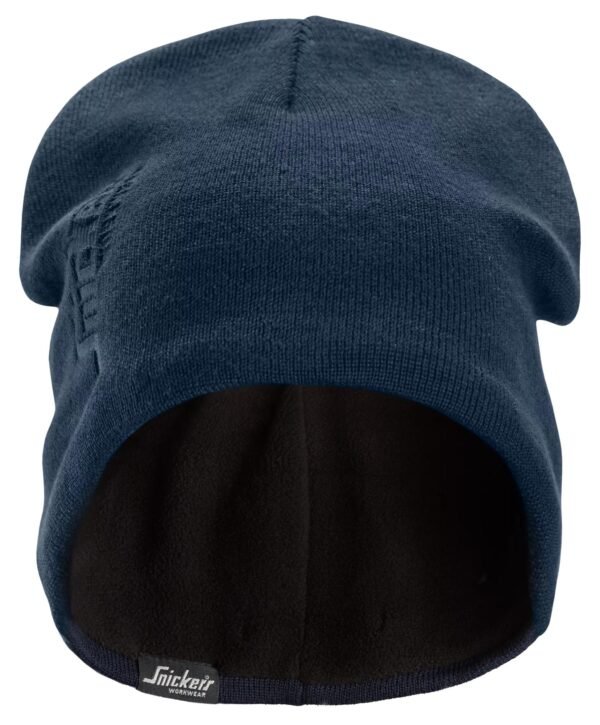
Develop a private-label knitted wind-blocking work beanie with a soft lining, adjustable cuff profile, and brand-ready finish for teams working outdoors through cold, exposed shifts and changing weather conditions.
Develop Work Headwear and Neckwear with Veelianpro
Veelianpro can develop this knitted work beanie as an OEM or private-label program, including a wind-blocking layer and soft lining as approved options. Confirm cuff style, target fit, branding, materials, and destination before quotation. MOQ starts from 100 pieces per style and color, subject to requirements.
Define the Workwear Brief
This cold-weather headwear direction combines a knitted outer shell, internal wind-control layer, and soft lining in a compact workwear format. It suits contractor uniforms, field crews, utilities, logistics, and branded retail programs. Specify exposure conditions, wearer profile, finished height, cuff preference, color blocking, and logo location for development.
Choose knitted shell, wind-blocking layer and soft lining options according to exposure, comfort and approved testing targets.
Confirm cuffed or cuffless profile, finished height, stretch recovery and target head-size range before sampling.
Select knit-in artwork, embroidery, patch or woven label, then approve placement and artwork scale on sample.
Plan one style and color from 100 pieces, with yarn, trims, packaging and sampling requirements confirmed early.
Fabric, Fit and Construction Options
Choose yarns for hand feel, recovery, color depth, and intended wear. Development may combine an acrylic, recycled-content, wool-blend, or other approved yarn with a brushed or smooth lining. A wind-blocking interlayer can be assessed for the target design. Confirm fiber preferences, skin-contact comfort, care route, color standards, and any performance targets before material approval.
Develop a rib-knit beanie with a cuffed or cuffless silhouette, selected crown shaping, and an interior lining secured for comfortable daily wear. The wind-control layer can be integrated between shell and lining where the approved construction permits. Options include knit-in graphics, embroidery, woven label, patch, debossed-effect branding, seam labels, and defined packing presentation.
From Brief to Approved Sample
Start with a tech pack or reference direction, target wearer, color plan, logo files, and packaging brief. We will align pattern, fit, yarn, lining, cuff, branding, and construction details for a development sample. Review the sample against agreed practical requirements, then confirm revisions and any testing targets for the exact approved style before bulk production.
- Brief Alignment Confirm silhouette, cuff, fit range, logo placement and use.
- Material Sampling Source yarn, lining and layer options for tactile review.
- Prototype Review Review construction, comfort, branding and finishing against approved brief.
- Approval Testing Set weather-exposure targets and test the exact approved style.
What to Send for a Useful Quote
Project Quantities Share projected pieces by style, color, size and destination.
Design Details Send approved artwork, color references, branding method and packaging preferences.
Performance Needs State intended wear environment, fit expectations and required testing targets.
Work Headwear and Neckwear Procurement FAQs
Do you need a cuffed or cuffless knitted beanie?
Choose a cuffed construction for adjustable ear coverage and a defined branding zone, or cuffless for a cleaner profile. Confirm finished height, cuff depth, knit stretch, recovery after wear, and whether the edge must sit comfortably beneath helmets, hoods, or hearing protection.
Should the sample include wind-blocking and soft lining?
Yes, these can be developed as optional layers for exposed, cold-weather work. Specify the desired hand feel, breathability expectations, coverage zones, seam bulk, and compatibility with the outer knit. Approve a sample after assessing warmth, comfort, stretch, moisture management, and fit during intended use.
Which logo treatment best suits your knitted beanie?
Select knit-in artwork for an integrated identity, embroidery for dimensional detail, a patch for contrast, or a woven label for a discreet finish. Check artwork size, placement on cuff or crown, stitch density, backing comfort, color matching, and whether the decoration affects stretch or lining construction.
What head-size range and fit should the sample target?
Define the intended wearer group first, then develop either one-size stretch fit or graded sizing around that brief. Confirm head measurements, crown depth, opening tension, ear coverage, and hair-volume allowance. Wear-test the sample with relevant helmets or hoods, checking slippage, pressure points, and recovery.
Do you require branded labels and retail-ready packaging?
Yes, private labels, hangtags, care labels, individual polybags, and retail-ready packs can be specified for development. Provide label artwork, mandatory market information, folding method, barcode needs, pack quantity, and preferred materials. Confirm packaging dimensions and approval samples before bulk production to prevent presentation or handling issues.
What protective performance targets should the approved beanie meet?
Set protection targets from the actual work environment, then test the approved construction rather than assuming performance from materials alone. Define wind exposure, precipitation, temperature range, visibility needs, durability expectations, and applicable requirements. Review laboratory scope, sample conditioning, acceptance criteria, and any changes after fit or material revisions.
Discuss Your Work Headwear and Neckwear Program
Request a focused quotation with style drawings, material direction, branding method, packaging, color count, destination, forecast quantity, and required sample milestones.


Reviews
There are no reviews yet.