
Custom Grinding Workwear Manufacturer for OEM & Private Label
Veelianpro develops custom grinding workwear through OEM, ODM and private-label programs, with MOQ starting at 100 pieces per style and color subject to fabric, construction, certification and project requirements.
Featured Grinding Workwear Development Examples






Related Product Catalogue and Quotation





Why Choose Veelianpro as a Grinding Workwear Manufacturer
Develop practical grinding garments with coordinated support for construction, fit, branding, sampling, and production from one experienced workwear team.
Application-Focused Construction
Plan fabric, pocket systems, reinforcements, bartacks, stitching, and trim placement around grinding environments and intended workshop use.
Flexible OEM Development
Turn your tech pack, sketch, sample, or product idea into custom shirts, trousers, jackets, coveralls, or coordinated workwear sets.
Sampling Before Production
Review fit, materials, construction, branding, and finishing through sample development before confirming your production order.
Private-Label Branding
Add embroidery, screen printing, heat transfers, patches, woven labels, care labels, and custom packaging for your brand program.
Low-Volume Entry
Start from 100 pieces per style and color, subject to fabric, construction, certification, and project-specific requirements.
Coordinated Procurement Support
Receive support across fabric sourcing, pattern development, grading, production, inspection, packing, export coordination, and reorder planning.
Custom Workwear for Demanding Roles
Develop industrial, safety and service apparel with garment-specific construction, materials and branding aligned to your customer’s work environment.
Work Shirts
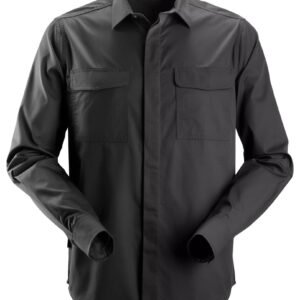
Develop long-sleeve and short-sleeve work shirts with woven fabrics selected for the intended job, along with practical pocket layouts, reinforced stress points and buyer-specified closures. Add embroidered logos, patches, woven labels or screen printing for uniform and private-label programs.
Request a Workwear Quote
T-Shirts & Polos
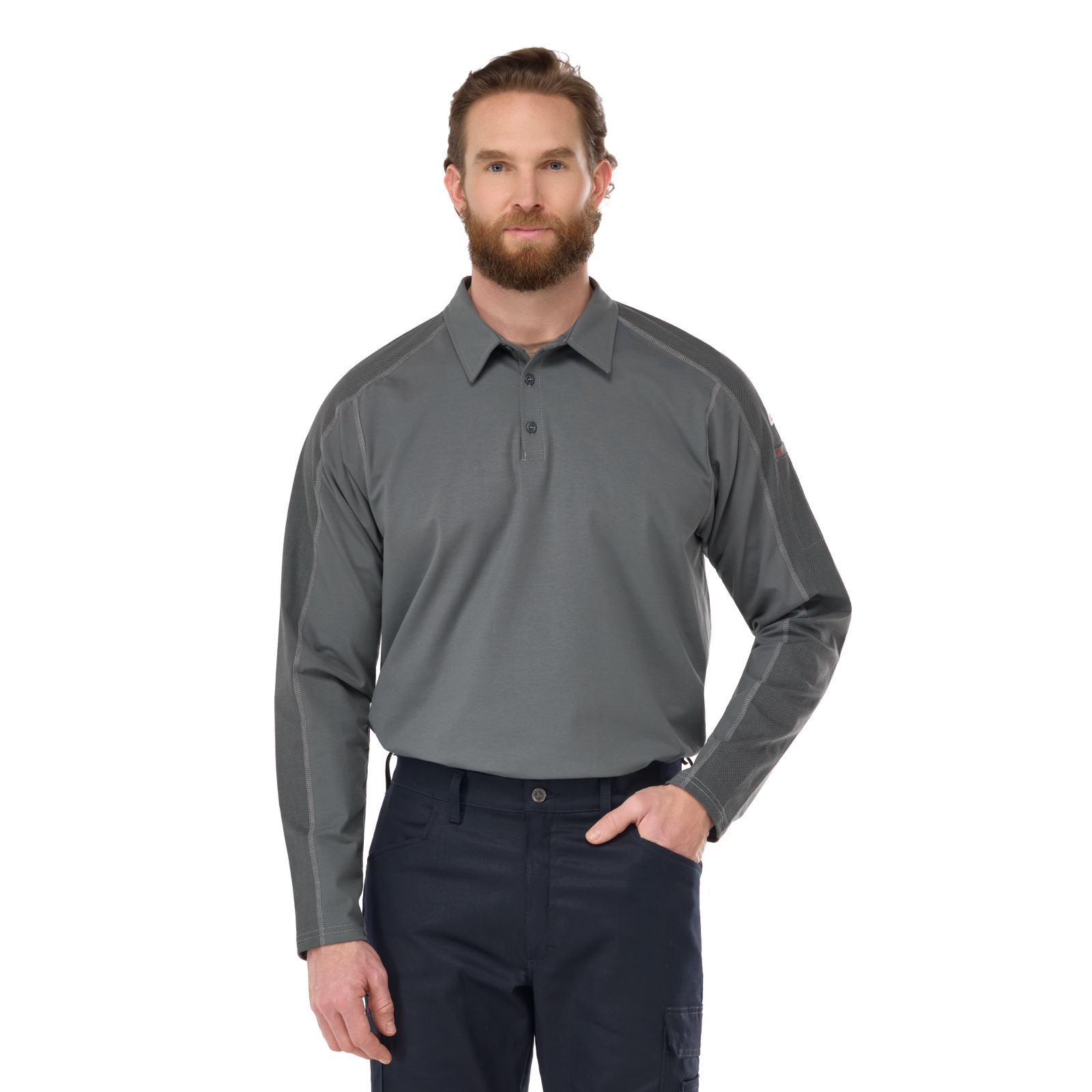
Build crew-neck or V-neck tees and work polos for service teams, promotional uniforms and layered industrial apparel. Buyers can specify fabric composition, collar construction, color blocking, logo placement, labels and packaging to match their brand or contract-uniform requirements.
Request a Workwear Quote
Work Jackets & Outerwear
Produce softshell, fleece, padded and rain jacket developments for changing outdoor and industrial conditions. Construction can include hood designs, pocket systems, storm protection details, reinforcement and reflective tape placement, with fabric and trim choices reviewed during sampling.
Request a Workwear Quote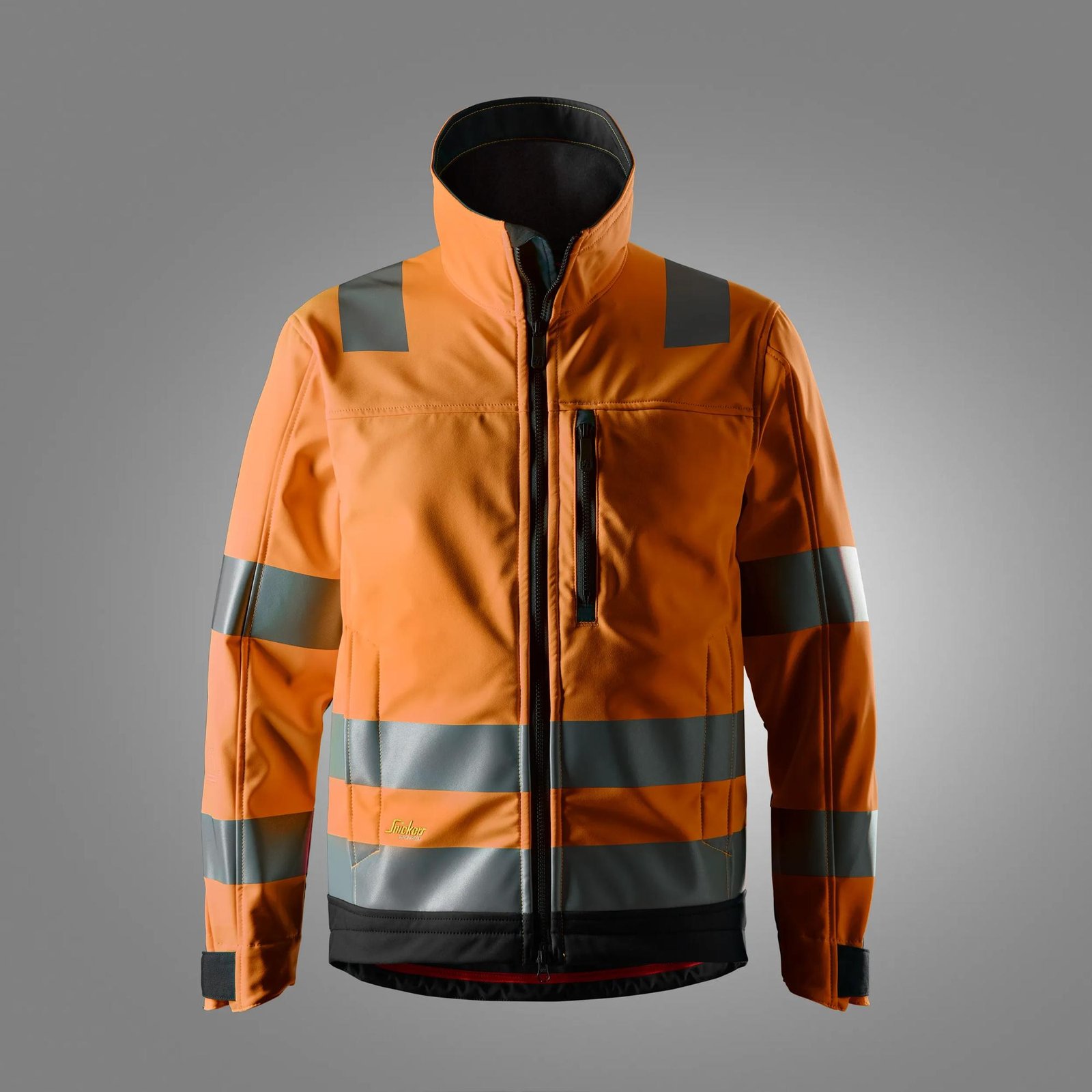
Work Vests & Bodywarmers
Specify utility vests, insulated bodywarmers and layered work vests with pocket configurations suited to tools, documents or service essentials. Develop shell, lining, insulation, closures, trims and decoration placements around the intended role, season and brand presentation.
Request a Workwear Quote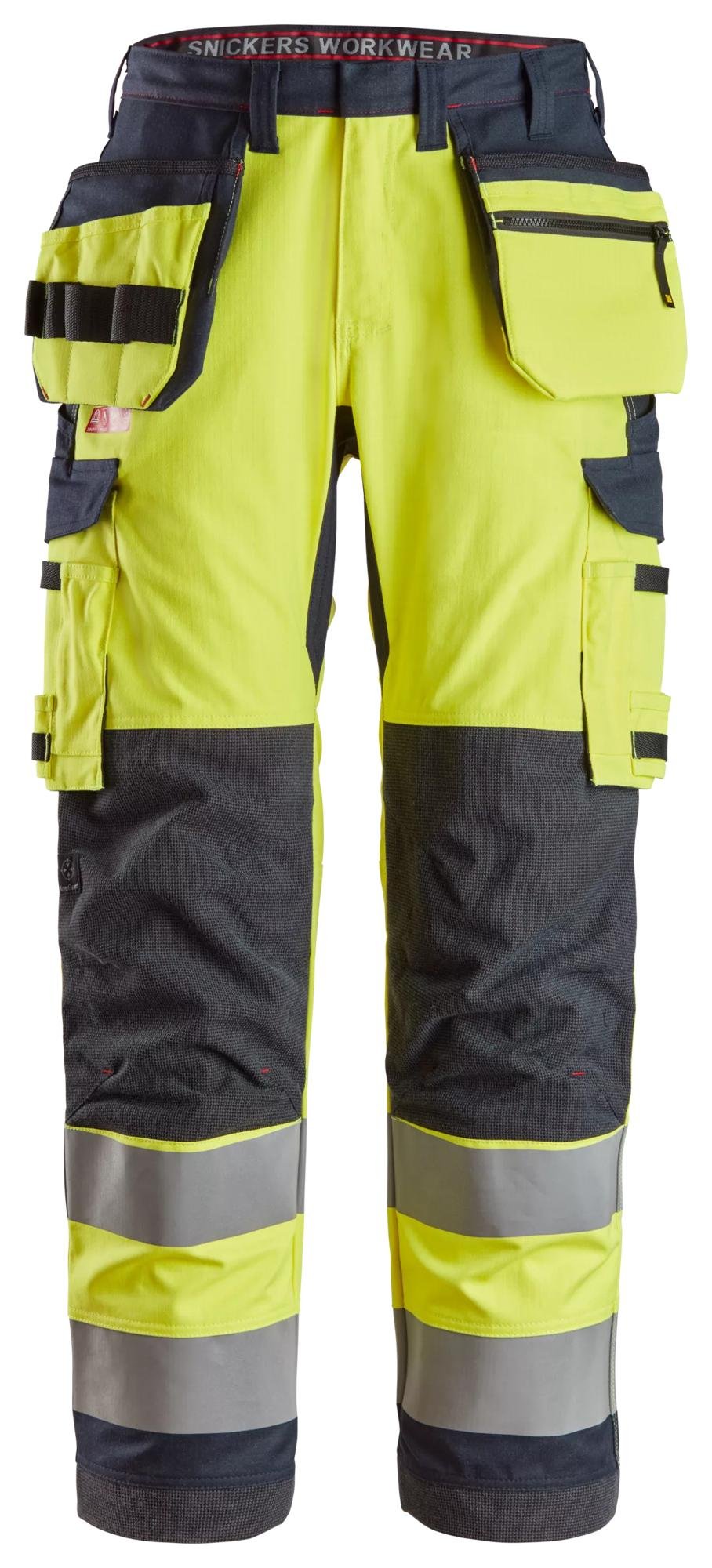
Work Pants & Shorts
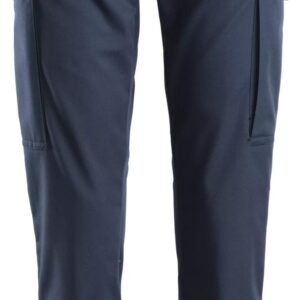
Create work trousers, cargo pants and shorts with buyer-defined fits, size grading and storage layouts. Cargo pockets, reinforced knees, gussets, bartacks, triple stitching and branding details can be incorporated according to the product brief and construction requirements.
Request a Workwear Quote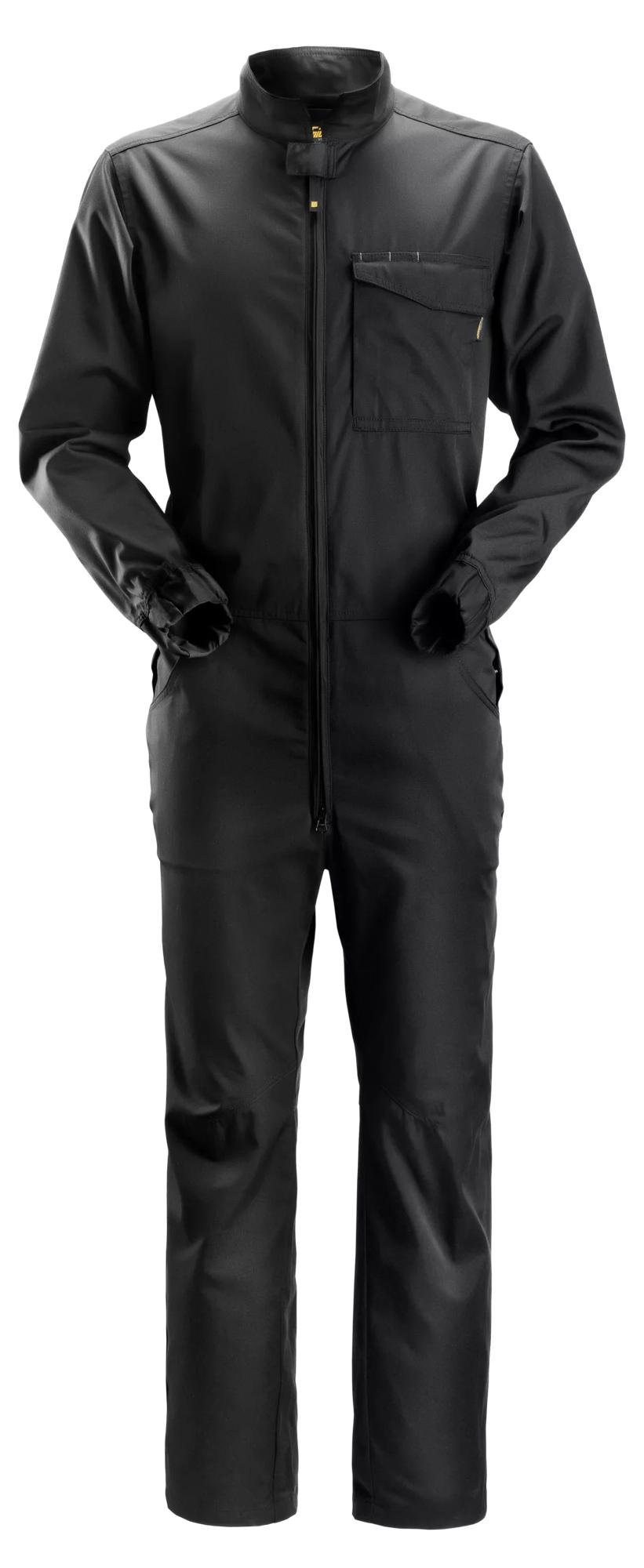
Coveralls & Bib Overalls
Develop one-piece coveralls, bib overalls and coordinated protective work garments for industrial applications. Discuss entry closures, adjustable straps, pocket placement, reinforcement, fabric selection and identity labeling before sampling, so the garment reflects the user’s task and required wearing system.
Request a Workwear Quote
Workwear Sets
Coordinate shirts, jackets, trousers, vests or coveralls into complete uniform sets for industrial and service teams. Align colors, fabrics, trims, logo methods and size grading across garments, while allowing each piece to retain the construction details appropriate to its role.
Request a Workwear Quote
High-Visibility Workwear
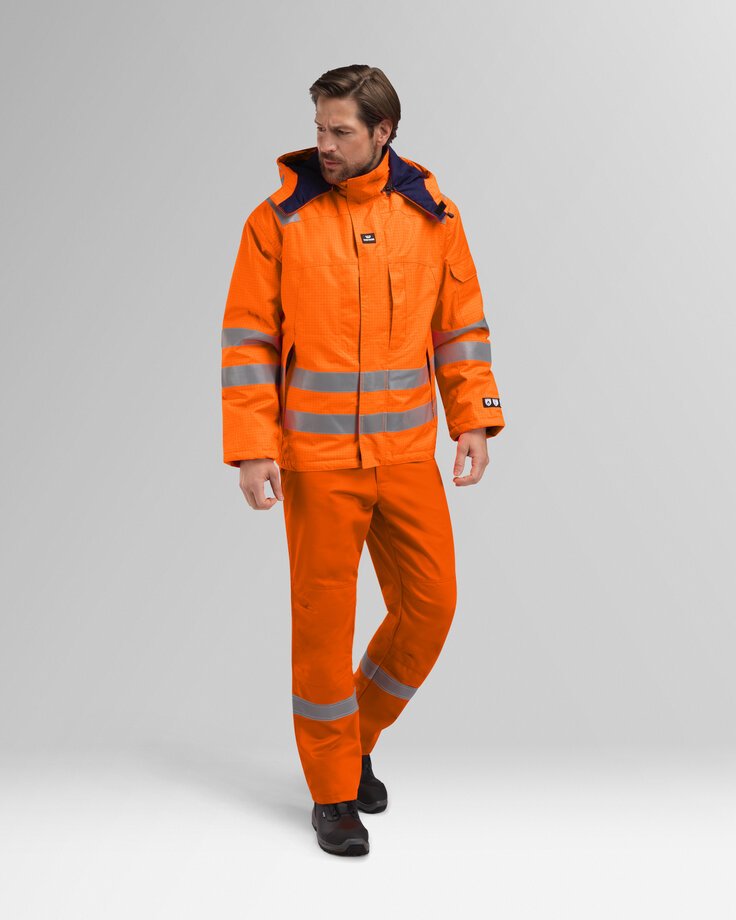
Develop high-visibility garment families with color blocking and reflective tape placement planned around the intended work setting. Any visibility standard, performance designation or certification must be supported by the exact garment’s applicable test evidence and documentation.
Request a Workwear Quote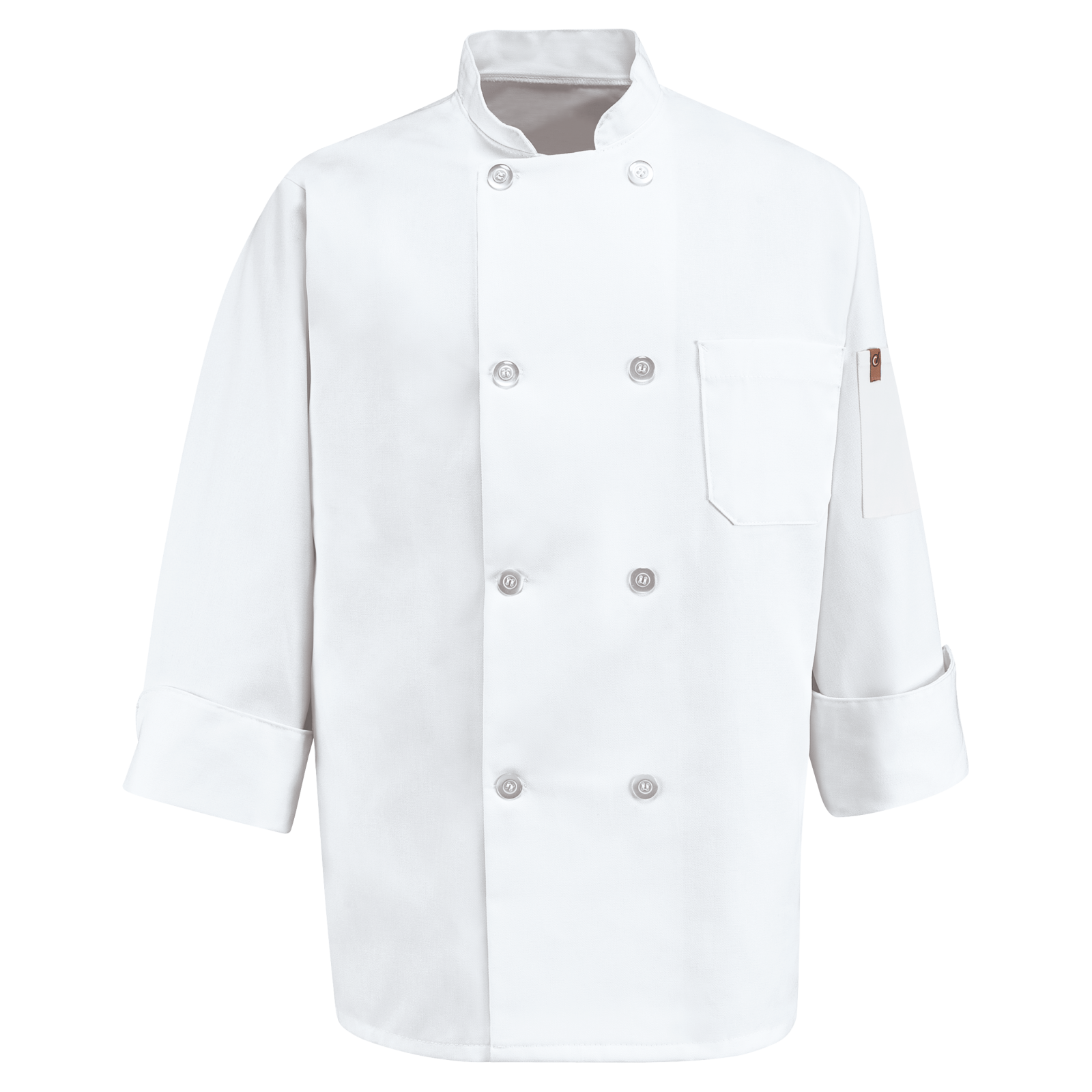
Flame-Resistant & Arc-Rated Wear
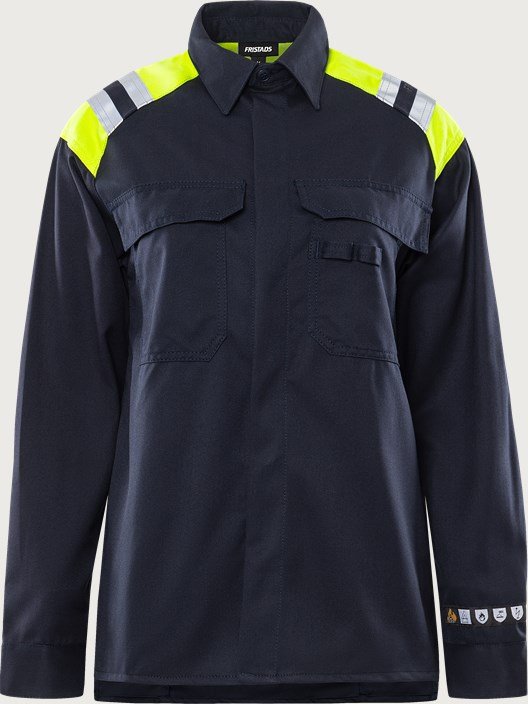
Support development of flame-resistant and arc-rated workwear families, including shirts, pants, coveralls and outer layers. Fabric, construction and labeling requirements should be defined against the buyer’s target standard; ratings are only presented where SKU-specific evidence supports them.
Request a Workwear Quote
Chemical-Protective Clothing
Develop chemical-protective clothing concepts around the stated exposure, garment format and required protection scope. Material selection, seams, closures, hoods and glove or boot interfaces require project review; chemical resistance claims need applicable documented test evidence.
Request a Workwear Quote
Cold-Storage Workwear
Create insulated cold-storage apparel such as padded jackets, bib overalls and layering pieces for temperature-controlled operations. Discuss insulation, shell fabric, lining, mobility, closures and moisture-management needs during development. Do not assign temperature protection ratings without supporting evidence.
Request a Workwear Quote
Welding Workwear
Build welding apparel with durable construction, coverage and reinforcement designed around the buyer’s stated welding environment. Fabric selection, closures, pocket placement and seam details are reviewed for the product brief; flame or heat-protection claims require documented garment-specific support.
Request a Workwear Quote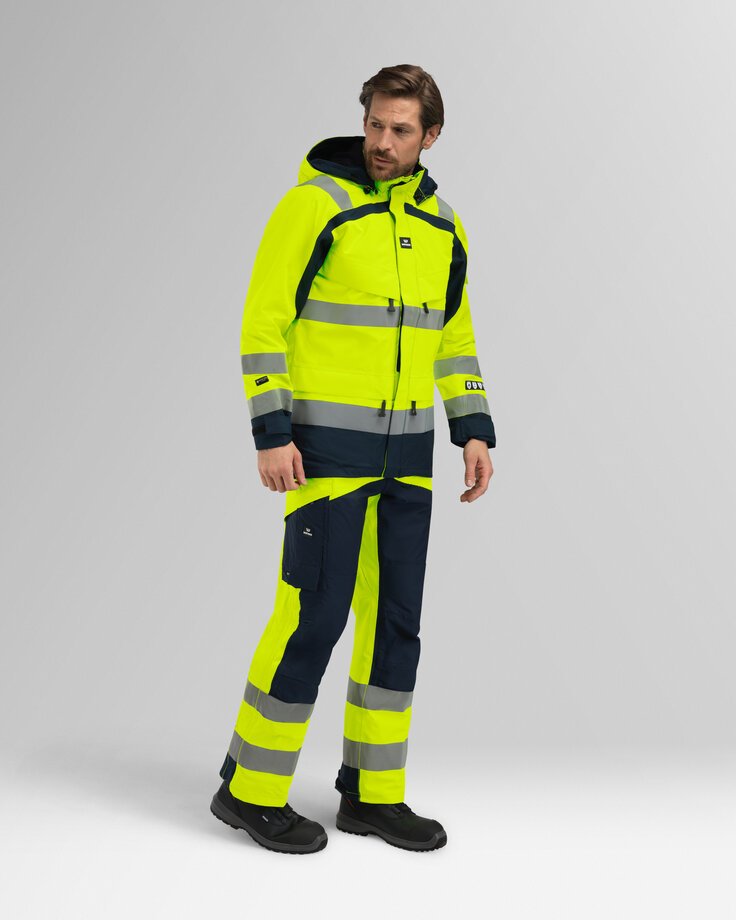
Medical & Cleanroom Wear
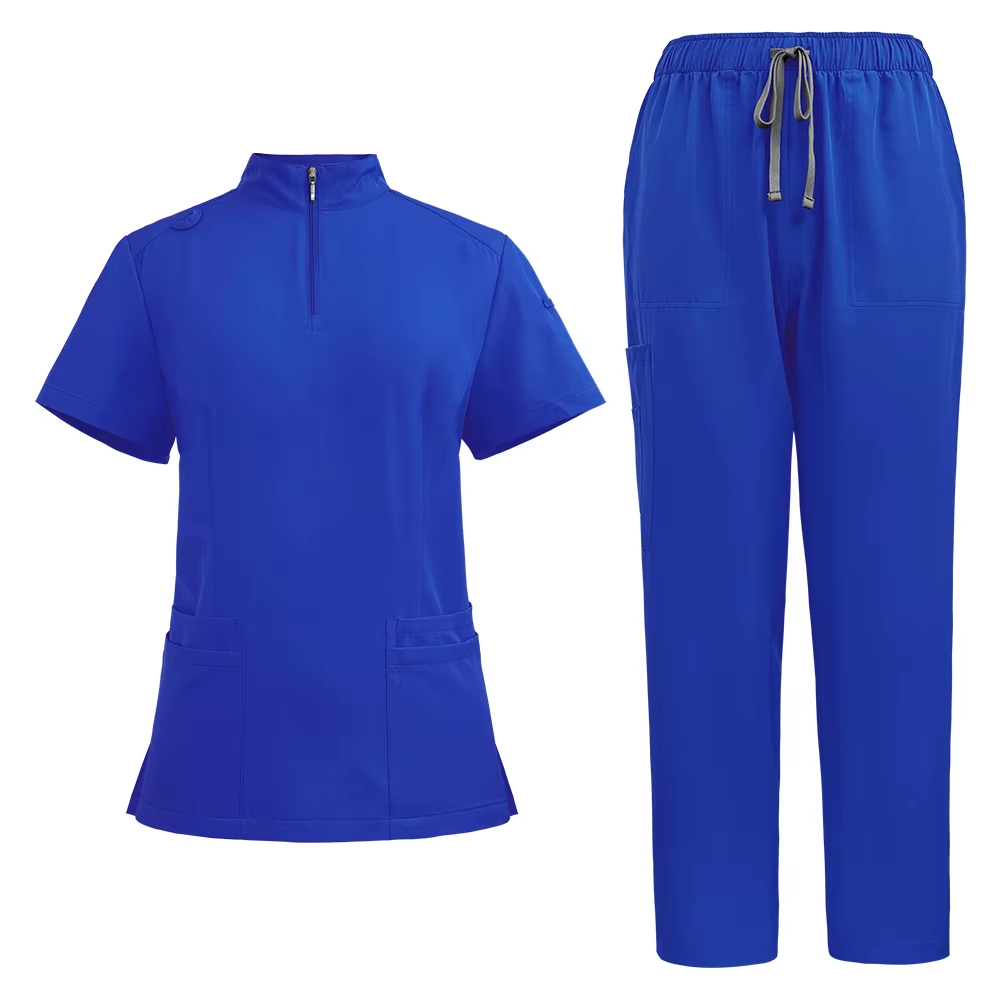
Develop medical scrubs, cleanroom garments and ESD apparel with styles and construction selected for the intended controlled, healthcare or technical environment. Specify fabric, closure, pocket and labeling needs early; cleanroom or ESD performance claims require applicable evidence.
Request a Workwear Quote
Chef & Hospitality Uniforms
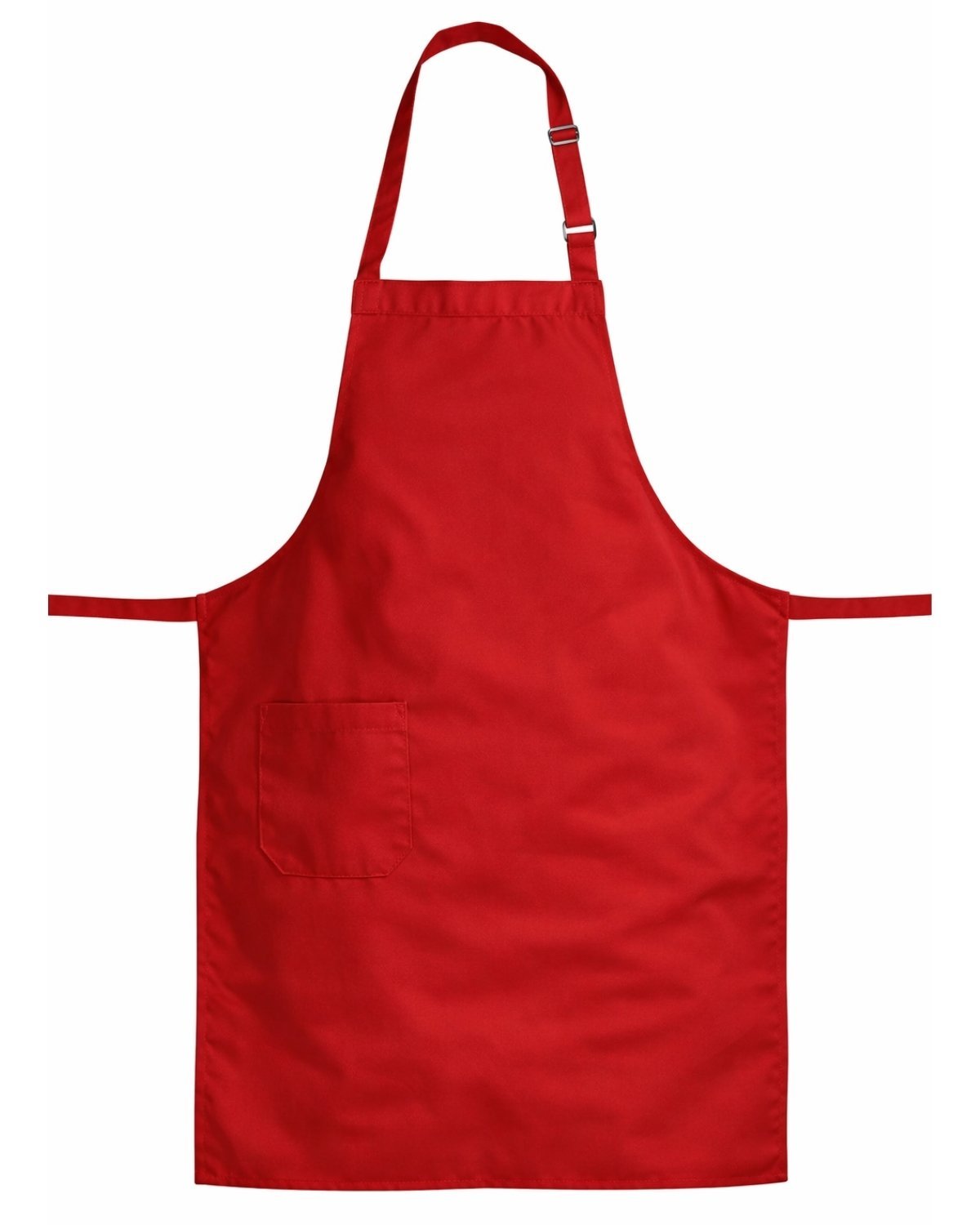
Produce chef coats, aprons, kitchen uniforms and hospitality apparel for back-of-house and customer-facing teams. Adapt silhouettes, fabrics, closures, pockets, color programs and logo applications to the service concept, from practical culinary wear to coordinated hotel uniforms.
Request a Workwear Quote
Industry Uniforms
Supply custom industry uniforms across industrial, logistics, maintenance, service and corporate operations. Start from a tech pack, sketch or product idea, then develop garment combinations, fabric sourcing, pattern work, sampling and decoration for a consistent team-issued program.
Request a Workwear Quote
Base Layers & Accessories
Add base layers and workwear accessories that complete a layered uniform system, including buyer-specified underlayers and branded components. Align fabric choice, color, labeling and packaging with the main apparel range, while reviewing functional requirements for the intended workplace.
Request a Workwear QuoteMaterials for Grinding Workwear Manufacturer Programs




Material Options for Custom Grinding Workwear



Grinding Workwear Manufacturer Trims and Accessories


About Veelianpro: Grinding Workwear Manufacturer
Based in Wuhan, Hubei, Hubei Veelianpro Workwear Co., Ltd. states that its workwear operation began in 2012. Its mission is to help workwear brands, safety distributors, uniform buyers and sourcing teams turn practical garment ideas into dependable OEM, ODM, private-label and wholesale programs.
Veelianpro supports the full development path, from a tech pack, sketch, sample or product idea through fabric and trim sourcing, pattern development, sampling, grading, cutting, sewing, reinforcement, decoration, quality checks, packing and export coordination. The range includes shirts, jackets, vests, pants, coveralls and workwear sets, with specialist product families developed according to project requirements.
What sets the company apart is a development-led approach: buyers can discuss fit, movement, pocket systems, reinforced areas, bartacks, stitching, reflective placement, weather protection and branding before production. The profile also describes a team of more than 300 skilled workers; this company-supplied figure should be verified before prominent public use, as should any protection rating or certification for a specific garment.

Core Capabilities from a Grinding Workwear Manufacturer
Review the Product Direction
Veelianpro begins with your tech pack, sketch, sample, or product idea. Our team reviews the intended work setting, garment construction, branding needs, quantities, and timeline so grinding workwear development starts with a practical, production-ready direction.
- Tech-pack and sketch review
- Garment type and use-case assessment
- Size range and color planning
- OEM, ODM, and private-label alignment

Source Fabrics and Trims
We help evaluate fabric and trim options for demanding workshop use, balancing hand feel, weight, movement, abrasion considerations, and design requirements. Material choices remain project-specific, while any protective rating or certification requires applicable test evidence.
- Fabric composition and weight review
- Pocket, zipper, button, and tape selection
- Reflective placement and trim planning
- Protection claims checked against documentation

Build Fit and Reinforcement
Pattern development, size grading, and sample refinement help create comfortable garments for extended wear without restricting movement. Construction details can be adapted for grinding jackets, shirts, trousers, coveralls, and work suits according to the buyer’s specification.
- Pattern development and size grading
- Reinforced knees and high-wear zones
- Bartacks, gussets, and triple stitching
- Fit review across the required size range

Sample, Brand, and Inspect
Before production, buyers can review samples and refine fit, materials, construction, and branding. Veelianpro supports embroidery, printing, patches, woven labels, care labels, packaging, quality checks, packing, and export coordination for orders starting from 100 pieces per style and color, subject to project requirements.
- Pre-production sample development
- Embroidery, printing, patches, and labels
- Finishing and packaging coordination
- Production inspection and quality control

Custom Grinding Workwear Development vs. Stock Garment Sourcing and Decoration
Compare a custom OEM program with buying stocked garments and adding decoration afterward. Starting MOQ is subject to fabric, certification and construction requirements.
← Swipe left or right to view →
Our Grinding Workwear Production Process
A structured path from initial feasibility review to sampled, branded and production-ready grinding workwear.
Review Your Requirements
Share your tech pack, sketch, sample, or product idea so our team can review grinding conditions, target garments, quantities, branding, destination, and timeline.
Confirm Feasibility
We assess fabric composition, garment construction, fit, reinforcement, trim, decoration, and any requested protection standard before confirming a practical development and quotation path.
Develop and Sample
Veelianpro develops patterns, grades sizes, sources approved fabrics and trims, and produces samples for review, fit checks, construction adjustments, and branding approval.
Cut and Sew
After approval, cutting and sewing proceed with agreed reinforcements, bartacks, stitching, pocket systems, labels, embroidery, printing, patches, or other private-label details.
Inspect and Ship
We complete quality checks, packing, export coordination, and shipment preparation, while recording project details that support consistent reorders when requirements remain unchanged.
How to Work With a Grinding Workwear Manufacturer
Veelianpro guides each project from your tech pack, sketch, sample, or product idea through material decisions, sampling, quotation, production, inspection, and shipment, with OEM, ODM, private-label, and wholesale support. MOQ starts at 100 pieces per style and color, subject to fabric, construction, certification, and project requirements.
Share Your Product Brief
Send your tech pack, sketch, sample, or concept with garment type, work setting, sizes, colors, branding, quantity, destination, and timeline.
Confirm Materials and Construction
Review fabric weight, composition, fit, pocket systems, reinforcements, stitching, reflective details, weather protection, trims, and decoration options with our team.
Develop and Approve Samples
Veelianpro develops patterns, grades sizes, and produces samples for fit, comfort, movement, branding, and construction review before quotation and order confirmation.
Produce, Inspect, and Ship
After approval, we coordinate bulk cutting, sewing, reinforcement, finishing, quality checks, packing, export coordination, and reorder support for your grinding workwear program.
The Complete Buyer’s Guide to Grinding Workwear


Grinding Workwear Manufacturer: Project Scenarios
Illustrative scenario: A safety distributor needs a private-label jacket for a grinding-related uniform range but lacks an approved pocket layout and logo position. The buyer proposes a fabric direction, glove-access pocket requirement, and artwork placement for development. Acceptance criteria are the agreed measurements, pocket access, construction details, and decoration placement on a development sample before any broader program is considered.
Illustrative scenario: A uniform buyer needs shirts and trousers that share brand colors while allowing different pocket functions. The proposed solution is a coordinated specification covering patterns, size grading, pocket locations, reinforcement locations, and trims. Acceptance criteria are approved measurements, usable pocket access, consistent color and branding placement, and the listed construction details on the sample.
Illustrative scenario: A workwear brand plans an initial branded coverall program and needs to confirm whether its fabric, grading, labels, and packing concept can meet the project conditions. The proposed solution is development from a controlled specification and sample, followed by a quotation for the selected scope. Acceptance criteria are an approved sample, documented production specification, and confirmation of the applicable MOQ, subject to fabric, certification, and construction requirements.
Grinding Workwear Manufacturer FAQ
Practical answers about materials, sampling, customization, MOQ, production and compliance for custom grinding workwear.
What does a grinding workwear manufacturer need before quoting?
What is the MOQ for a grinding workwear manufacturer?
Can a grinding workwear manufacturer develop custom jackets, shirts, pants or coveralls?
How does sampling work with a grinding workwear manufacturer?
What materials and construction details are suitable for grinding workwear?
Can a grinding workwear manufacturer provide private-label branding?
What are the payment and shipping terms for custom workwear?
Can Veelianpro provide certified protective grinding workwear?
Grinding Workwear Manufacturer: OEM Sourcing Guide
A practical framework for specifying custom grinding workwear, comparing supplier development support, validating samples, avoiding specification gaps, and building a quote-ready private-label or uniform program.
1. Defining a Grinding Workwear Development Brief
Grinding workwear is developed around the garment’s exposure, movement and maintenance demands, not simply its color and logo. A grinding workwear manufacturer translates a brand’s brief into patterns, fabric and trim choices, pocket layout, reinforcement and decoration, then takes the style through sampling and production.
Generic uniforms may provide a consistent appearance, but a grinding-related program needs task-specific decisions: fit that accommodates reach and bending, closures and trims suited to the work setting, and construction details selected for the intended service conditions. The brief should define garment type, fabric composition and weight, size range, colors, pocket system, branding method, trim placement, sample requirements, quantity, destination and timeline.
For OEM, ODM and private-label grinding workwear, Veelianpro can develop custom industrial apparel from a tech pack, sketch, sample or product idea, including sourcing, pattern development, sampling, decoration and packing. Provide the applicable workplace standard and required test or certificate separately from design targets; confirm MOQ for the selected fabric, certification and construction specification before ordering.
2. Planning the Program
Planning begins with the work setting and the buying model. A stock-garment route starts with an available style and adds decoration; a custom route starts with the required garment format, fit, pocket layout, fabric direction, trim requirements, and brand application. Either route needs a clear size range, quantity, destination, and delivery timeline.
For a private-label or OEM program, put the nonnegotiable decisions in one controlled brief before sampling: garment type, measurements or fit intent, fabric composition and weight, color, closures, pockets, reinforcements, decoration, labels, packaging, and approval points. A sample then gives the buyer a physical reference for resolving construction and branding details before order confirmation.
Veelianpro can develop from a tech pack, sketch, sample, or product idea and can coordinate pattern development, fabric and trim sourcing, sampling, decoration, and packing. Its stated starting MOQ is 100 pieces per style and color, subject to fabric, certification, and construction requirements.
A design brief is not evidence of protective performance. If the program requires a standard, test result, or certification, identify the exact requirement and confirm its scope against the specific garment; keep that documentation separate from visual branding and construction preferences.
3. Garment Formats for Grinding-Related Work
A grinding-related collection works best when each format has a distinct job: full-body continuity, adaptable layering, lower-body mobility, or a branded upper layer. Veelianpro can develop these formats from a tech pack, sketch, sample, or product idea.
| Format | Coverage Or Layering Role | Best Program Use |
|---|---|---|
| Coverall | Continuous upper and lower coverage | Single-garment issue |
| Jacket | Outer-layer flexibility | Branded outerwear range |
| Trousers and shirt | Separate mobility and layering | Replacement-friendly uniform program |
Coveralls
Coveralls provide a continuous upper- and lower-body garment format. Specify front-closure type, cuff treatment, access pockets, and whether workers need to layer beneath.
They may suit uniform programs that prefer one issued garment or distributors building a core SKU. Confirm the final construction against the intended work setting and any separately documented protection requirement.
Work Jackets
Work jackets add a removable outer layer for changing conditions and simplify branding on chest, sleeve, or back panels. Pocket placement should stay useful without interfering with movement or a front closure.
They fit brands and distributors that need a separate outerwear option beside shirts and trousers.
Trousers And Work Shirts
Trousers concentrate mobility requirements at the seat, knees, and pocket openings; cargo layouts should carry tools without creating unnecessary bulk. Work shirts offer lighter upper-body layering, with button, snap, or zip closure selected around the intended routine.
Together, they give uniform buyers flexible sizing and replacement ordering by garment.
Coordinated Multi-Piece Programs
A coordinated program aligns color, fit, trims, labels, and logo placement across jackets, trousers, shirts, and coveralls. This helps wholesalers present related formats and lets enterprise buyers define garments by role or season.
Use one component schedule to identify which details must remain consistent across styles and which may vary by garment, such as pocket layout, closure type, or layering purpose.
4. Material Choices and Specification Questions
Material selection starts with the grinding environment, not a generic ‘heavy-duty’ label. Specify composition, fabric weight, weave or structure, laundering routine, and any documented protection requirement before choosing reinforcement, lining, or decoration.
| Material Or Input | Specification Questions | Likely Use Conditions | Procurement Trade-Off |
|---|---|---|---|
| Main shell fabric | Composition, weight, weave or knit structure? | Routine grinding-area uniforms | Balance breathability, appearance retention, and abrasion exposure. |
| Reinforcement panels | Which zones, material, and attachment method? | Knees, pockets, cuffs, high-wear edges | More coverage can add stiffness and decoration constraints. |
| Lining or layers | What function and compatible care method? | Cooler, wet, or variable conditions | Adds comfort options but may increase bulk and drying time. |
| Trims and branding zones | Which closures, tape, labels, and decoration method? | Private-label programs | Confirm heat, needle, and surface compatibility before sampling. |
Build The Fabric Brief
For routine shop work, define the desired hand feel, airflow, surface appearance, and wash frequency alongside the fabric composition and construction. A heavier-looking fabric is not automatically the right choice if mobility, heat buildup, or logo application is the commercial priority.
For spark, heat, flame-resistant, arc-rated, or chemical exposure, submit the applicable standard and required test or certificate scope. A design request must remain separate from a verified protective claim.
- Fiber composition and fabric structure
- Target garment use and laundering routine
- Required documented protection, if applicable
Compare Inputs Before Sampling
Use the sample to check whether the selected material, lining, and trims work together at pocket edges, knees, cuffs, closures, and decoration zones. Veelianpro can source fabric and trims during development; confirm final availability and compatibility in the quotation.
Specify Reinforcement And Trim

Place reinforcements where abrasion and repeated bending occur, rather than covering every panel. State the intended reinforcement material, bartack locations, stitching expectation, and whether patches must accept embroidery, screen printing, heat transfer, or sewn labels.
Lining should solve a stated need—warmth, weather layering, cleaner interior finish, or easier donning—while accounting for bulk and drying time. Request a pre-production sample before broader commitment.
5. Customization for Industrial Workwear Programs
Customization begins by separating the wearer’s task from the collection’s visual identity. Veelianpro develops OEM, ODM, and private-label grinding workwear from a tech pack, sketch, sample, or product idea, then aligns fabric, fit, trims, and decoration before production.
| Customization Area | Design Decision | Sample Review Focus |
|---|---|---|
| Fit block | Sizing, ease, grading | Movement and measurement approval |
| Pocket system | Location, volume, closure | Access with work gloves |
| Brand presentation | Logo, labels, color blocking | Placement and decoration clarity |
| Packaging | Private-label labels and pack format | Correct branded components |
Workplace And Brand Briefs
Task requirements define the garment platform: work shirt, trousers, coverall, or jacket; pocket access; closure type; and movement needs. If protective performance is requested, provide the applicable standard and required test or certificate rather than treating a visual specification as proof of protection.
Brand requirements define color blocking, logo locations, label hierarchy, and packaging. Mark decoration-ready zones away from pocket openings, plackets, seams, reflective tape placement, and high-abrasion areas.
- Work setting and garment format
- Pocket and closure configuration
- Brand colors and logo artwork
- Required performance documentation
Fit, Pockets, And Trims

A fit block should be approved for the target size range before grading. Specify ease for the intended layering and movement, then review sleeve length, rise, inseam, shoulder mobility, and pocket reach on the sample.
Choose pockets for carried tools or personal items, not simply for visual symmetry. Veelianpro can discuss reinforced knees, bartacks, triple stitching, gussets, zipper or button closures, and trim sourcing as part of development.
Branding And Sample Review
Embroidery, screen printing, heat transfer, patches, woven labels, care labels, and custom packaging each need placement artwork and a clear approval reference. A sample should confirm logo scale, color blocking, label content, trim operation, fit, and pocket usability together.
Use the sample review to record every approved change in the controlled specification before quotation and order confirmation.
6. Construction Details That Affect Service Life
Construction choices determine where a grinding garment opens, snags, or loses function during repeated movement. Specify the load path in the development brief, then inspect the sample at the seams, pockets, closures, waist, cuffs, and graded sizes.
| Area | Typical Daily-Use Failure | Sample Inspection | Brief Remedy |
|---|---|---|---|
| Crotch and inseam | Flexing strains a seam intersection | Check internal seam continuity | Add specified reinforcement or revise seam placement |
| Tool pocket | Contents pull at attachment points | Load intended tools and move | Specify attachment points and reinforcement |
| Front closure | Gloves catch or access is awkward | Operate while gloved | Specify closure, placket, and pull placement |
Seams And Stress Points
Crotch joins, inseams, pocket corners, sleeve-to-body joins, and knee panels take repeated bending and pulling. A seam placed directly on a high-flex line can abrade or split before the surrounding fabric does.
Specify reinforcement locations, bartacks where appropriate, and whether triple stitching is required. On the sample, turn these areas inside out to check seam allowance capture, stitch continuity, and clean transitions at intersecting panels.
Pockets And Closures
A loosely attached tool pocket can pull the garment panel out of shape; an exposed closure can snag or become difficult to operate with gloves. Pocket size alone is not enough—attachment method, opening direction, and placement matter.
Brief the intended contents and access hand, then check a loaded sample while crouching and reaching. Confirm closure type, pull access, placket coverage, and that pocket edges do not interfere with movement.
Waists Cuffs And Movement
Rigid waistbands, short rises, narrow cuffs, or insufficient reach allowance restrict ordinary industrial motions and encourage users to stress seams. Gussets, adjustable waist features, and cuff designs should follow the garment’s job rather than be added decoratively.
Inspect the sample during squat, bend, reach, and glove-on closure use. Record where binding occurs and revise the pattern, ease, adjustment range, or component placement before production.
Grading Consistency
A construction detail that works in one size can distort when grading changes pocket position, knee-panel height, sleeve length, or closure alignment. Request graded-size review points for the sizes most relevant to the program.
Compare key measurements and component placement across selected sample sizes. The development brief should identify fixed reference points, such as pocket-to-side-seam distance, instead of relying on visual judgment alone.
7. Selecting a Development Partner
A capable grinding workwear manufacturer turns a field-use brief into an agreed garment specification, rather than treating a logo and garment color as the whole program. Evaluate the development process before committing to a production run.
Match The Development Model
OEM suits a buyer with a complete tech pack; ODM can develop from a sketch, sample, or product idea. Private-label work also needs clear ownership of labels, care information, packaging, and decoration placement.
At Veelianpro, development can coordinate pattern work, size grading, fabric and trim sourcing, sampling, and production preparation. Confirm the applicable MOQ in the quotation after the fabric, certification, and construction scope is defined.
Specify The Sample Scope
A sample should represent the proposed fabric, fit, pocket system, reinforcement points, trims, and branding method—not merely the silhouette. Record revision points against a dated specification so an approved detail is not lost at production handoff.
Supply the intended work setting, garment type, size range, colors, target quantity, destination, and timeline with the inquiry. For a grinding workwear manufacturer, these inputs make feasibility review and quotation more comparable.
Separate Design From Protection
Reinforced knees, bartacks, triple stitching, gussets, reflective tape placement, and weather-protection details are product-development choices that should be drawn or listed. Decoration can include embroidery, screen printing, heat transfer, patches, woven labels, care labels, and custom packaging.
A request for flame resistance, arc rating, chemical protection, visibility, or thermal performance is separate: provide the applicable standard and required test or certificate. A design target must not be presented as a tested, documented protective claim without the exact evidence and scope.
8. Common Sourcing Mistakes
Grinding programs fail when a standard uniform brief is treated as sufficient. The correction is to separate the work task, garment construction, branding, and any documented protection requirement before sampling or quotation.
Treating It As Generic Uniforms
A polo or basic trouser may fit the brand palette without matching the requested garment format, pocket use, coverage preference, or movement needs. Map the task, work position, carried items, coverage preference, and movement requirements before selecting a shirt, jacket, trouser, or coverall.
Document these decisions in the development brief so the sample can be assessed against stated requirements rather than general appearance.
Mixing Claims With Branding
A reflective graphic, logo, or product name does not prove a protective performance claim. Put the applicable standard, required test evidence, and certificate scope in a separate requirement field; keep decoration artwork and placement in the branding field.
This prevents sales copy from implying an unverified rating and avoids costly relabeling.
Ignoring Compatible Trims
Closures, pockets, tape, patches, and labels must work with the selected fabric and garment use. A trim chosen only for appearance can interfere with access, bulk, care expectations, or decoration placement.
List each closure type, pocket location, reinforcement, and branding method in the tech pack before the sample is cut.
Approving Incomplete Samples
A sample confirms more than silhouette: inspect seam construction, bartacks, triple stitching where specified, knee reinforcement, gussets, pocket access, label placement, and decoration alignment. Approving only fit can carry an incomplete construction into production.
Request corrections against a marked sample checklist, then approve the revised specification.
Quoting Without Full Scope
An incomplete inquiry produces quotes that cannot be compared cleanly. Provide garment type, work setting, fabric composition and weight, size range, colors, branding method, quantity by style and color, destination, timeline, and any required standard or test documentation.
Ask the supplier to identify exclusions, sample scope, approval points, and the MOQ applicable to the final fabric, certification, and construction requirements.
9. Launching a Private-Label Workwear Program
A private-label program moves cleanly when the intended grinding task is translated into garment decisions before artwork or pricing. Assign one buyer owner to consolidate operations, safety, merchandising, and receiving requirements.
Set The Application Brief
Choose the collection format first: a coverall, two-piece suit, jacket-and-trouser set, or work shirt with trousers. The operations lead should define grinding exposure, movement demands, pocket use, laundering context, destination, and any required protection documentation.
The brand team should provide target customer, color direction, size range, logo files, and retail or distributor packaging needs. Separate design targets from performance claims requiring test evidence.
- Work setting and task exposure
- Garment formats and size range
- Applicable standard and documentation need
- Brand assets and destination market
Build The Specification
Turn the brief into a controlled tech pack covering fabric composition and weight, pattern, measurements, pocket layout, reinforcement, seam details, trims, labels, and packaging. A sketch alone cannot resolve grade rules, placement tolerances, or construction choices.
Example only: a fictional checklist might specify a navy two-piece suit, cargo trouser pockets, reinforced knees, bartacks at pocket stress points, a woven neck label, and left-chest embroidery placement. It is a specification example, not a Veelianpro product promise.
Review Sample And Quote
The sample should resolve fit across the agreed grading approach, movement at knees and shoulders, pocket access, reinforcement execution, decoration placement, label readability, and wash or test requirements selected by the buyer. Record approvals and corrections directly against the revision-controlled tech pack.
Align the quotation to the approved specification, quantity by color and size, packing, destination, requested documentation, sample scope, and the MOQ applicable to the final fabric, certification, and construction requirements.
Hand Off And Inspect
Submit the final approved tech pack, artwork, size breakdown, packing marks, and inspection criteria before production handoff. The buyer’s sourcing owner should confirm who approves substitutions and how change requests are documented.
At receiving, inspect cartons, labels, color consistency, size assortment, decoration, seams, pocket function, and agreed packaging against the approved sample. Isolate discrepancies by carton and production reference so corrective action is traceable.
10. Cost Drivers for Custom Workwear
A grinding-workwear quote changes most when a basic shirt or trouser becomes a multi-component coverall, lined jacket, or coordinated two-piece suit. Fabric composition and weight, reinforcement layout, pocket system, gussets, bartacks, triple stitching, reflective-tape placement, and weather-protection details each alter material use and sewing operations.
Development scope also matters before production begins. A new pattern, size grading, custom trim sourcing, decoration sampling, care-label content, branded packaging, repeated sample revisions, order quantity, and destination should be quoted as defined requirements rather than assumed inclusions.
- Garment format, use setting, fabric composition and weight
- Size range, fit changes, reinforcement and pocket specification
- Trim, decoration, labels, packaging and sample-revision requirements
- Quantity, destination, required delivery date, and applicable protection standard or test documentation
| Cost Driver | What Changes Cost | How to Control Quote Scope |
|---|---|---|
| Garment format and construction | Coveralls, bib overalls, jackets, and two-piece suits use different pattern pieces, fabric quantities, closures, and sewing operations. | Submit a marked technical sketch showing pockets, reinforcements, seams, closures, and tape placement. |
| Materials and trims | Fabric choice, lining, weather-protection components, reflective tape, zippers, snaps, and other trims affect sourcing and assembly. | Name the intended composition, weight, color, trim type, and any required standard; keep unconfirmed options separate. |
| Development and branding | New patterns, grading, samples, embroidery, screen printing, heat transfer, patches, woven labels, care labels, and packaging add setup or handling scope. | Provide artwork files, placement dimensions, label text, packaging format, and a revision limit for the sample stage. |
| Quantity and delivery | Quantity affects production planning; destination changes packing, export coordination, and freight requirements. | Request comparable quotes using one quantity, destination, Incoterm if known, and required arrival date. |
Request a Grinding Workwear Manufacturer Quote
Send your garment type, work setting, materials, sizes, branding, quantity, destination, and timeline to begin sampling or tech-pack review.