
Custom Aviation Workwear from a China Manufacturer
Veelianpro is an aviation uniform programs supplier offering OEM, ODM, and private-label development from 100 pieces per style and color.
Featured Workwear for Aviation Uniform Development
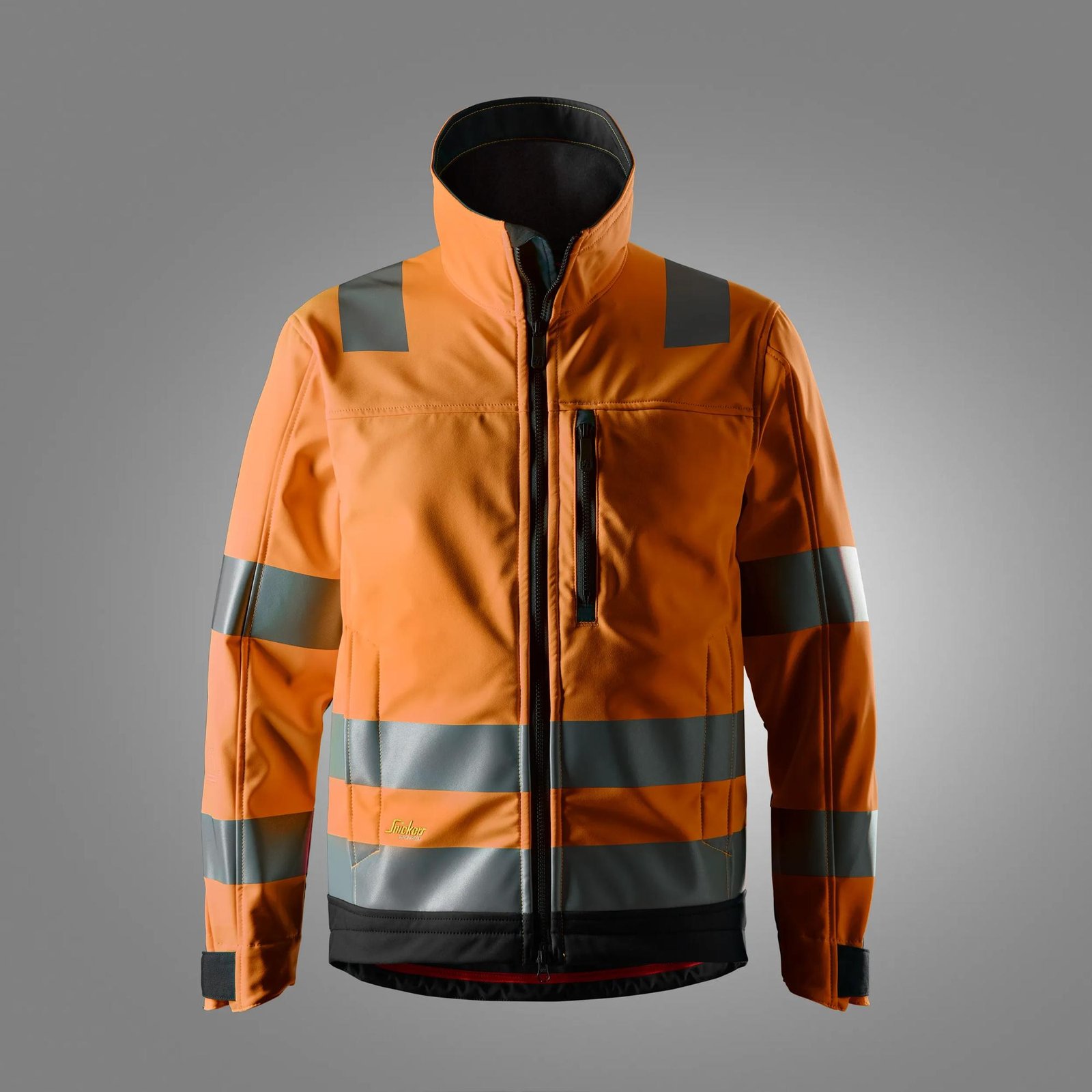


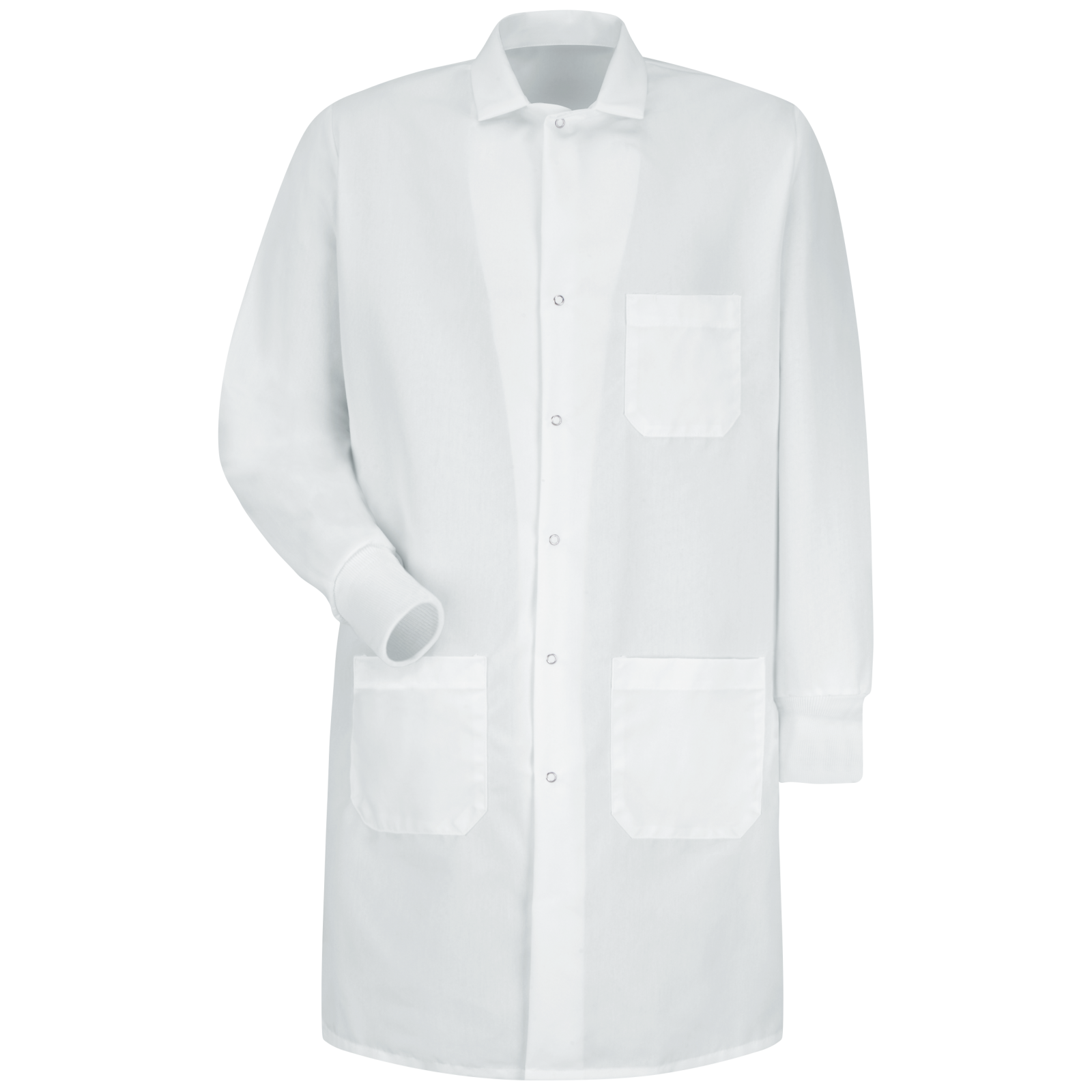


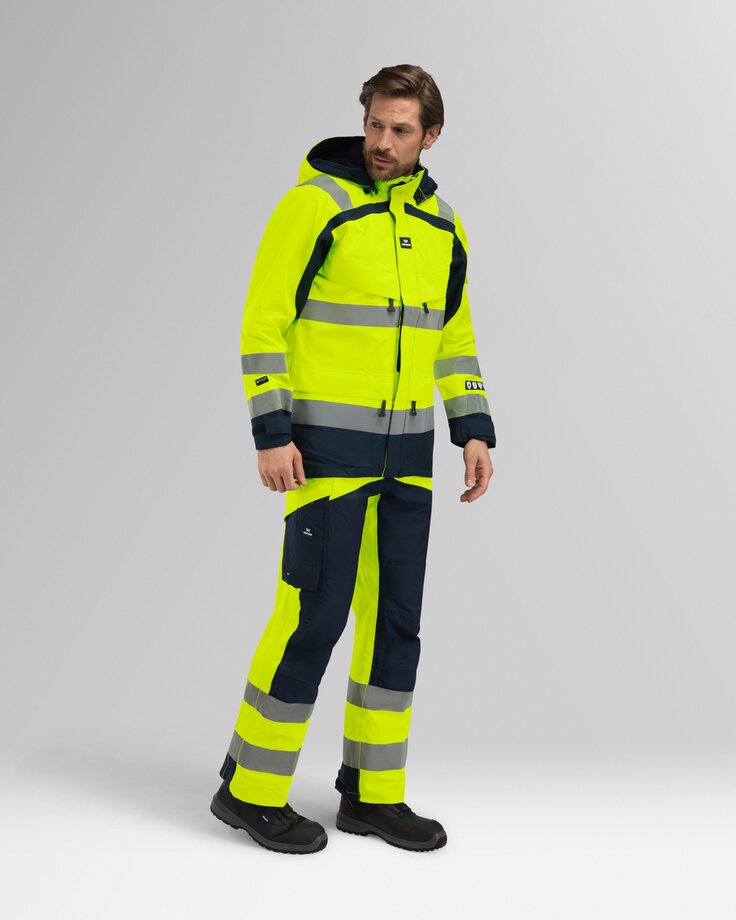


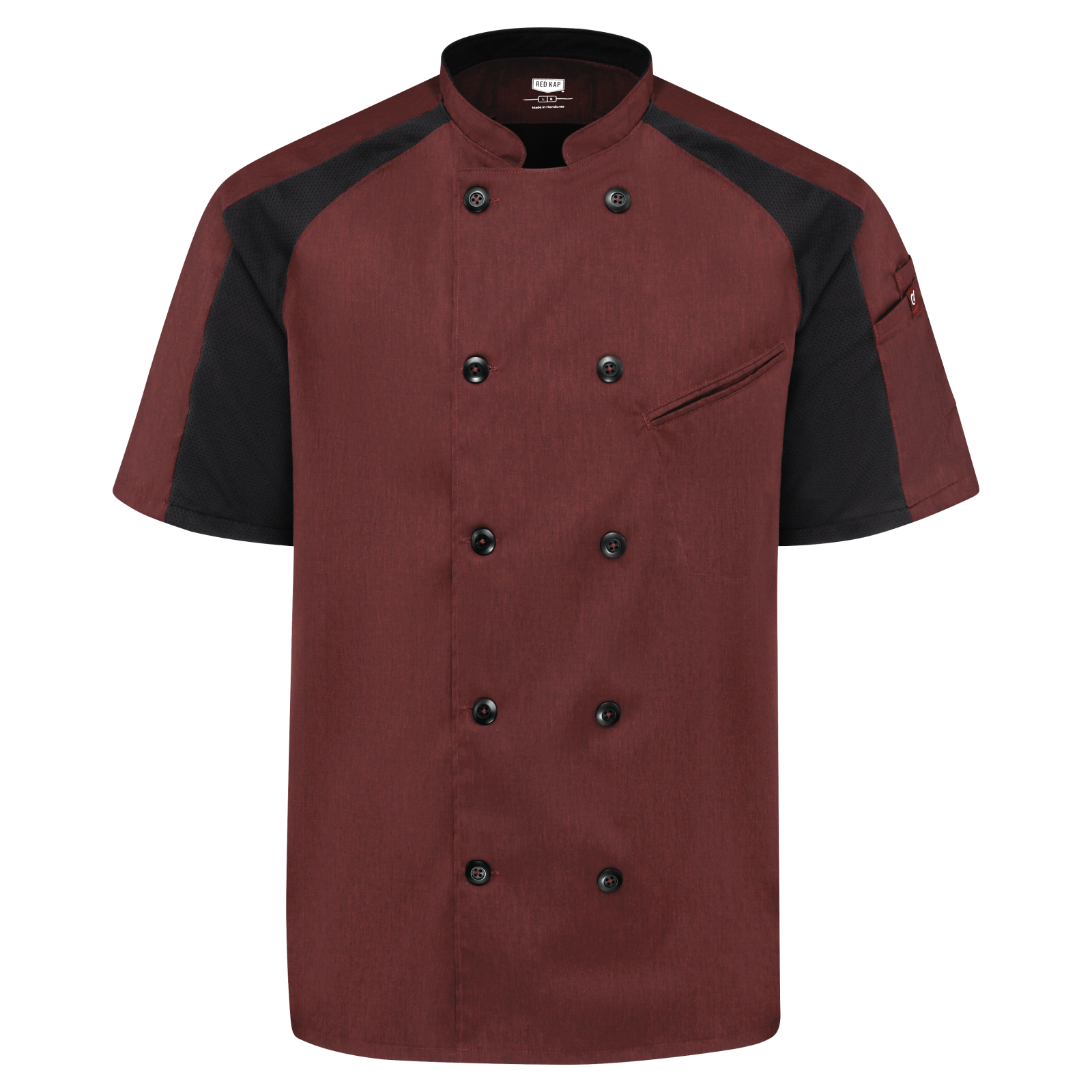



Related Aviation Uniform Catalogue and Quotation






Why Choose Veelianpro as Your Aviation Uniform Programs Supplier
Veelianpro helps workwear brands, distributors, and sourcing teams develop aviation apparel from a tech pack, sketch, sample, or product idea. The Wuhan manufacturer supports OEM, ODM, private-label, and wholesale production, with MOQ starting at 100 pieces per style and color when fabric, certification, construction, and project requirements allow.
Flexible OEM Development
From tech pack, sketch, sample, or product idea, Veelianpro supports OEM, ODM, private-label, and wholesale development for aviation apparel.
Sampling Before Approval
Review fabric weight, composition, trims, fit, pocket layouts, branding, and construction details before approving a production sample.
Connected Production Workflow
Pattern development, grading, cutting, sewing, reinforcement, decoration, finishing, inspection, packing, and export coordination follow one connected workflow.
Conditional Low MOQ
MOQ starts at 100 pieces per style and color, subject to fabric, certification, construction, and project requirements.
Repeatable Program Control
Design inputs and approval checkpoints help repeat orders maintain intended sizing, colors, branding, and garment details.
Custom Aviation Workwear, Built Around Your Program
Develop uniform components for ground crews, maintenance teams, service staff, and aviation-adjacent operations with coordinated materials, construction, branding, and sizing.

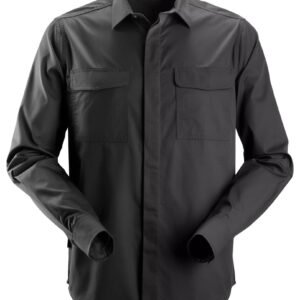
Work Shirts
Develop aviation-ready work shirts with short- or long-sleeve formats, button or concealed closures, utility pockets, and reinforced stress points. Fabric weight, composition, collar style, color blocking, woven labels, embroidery, and reflective details can be specified for ground and maintenance roles.
Request a Workwear Quote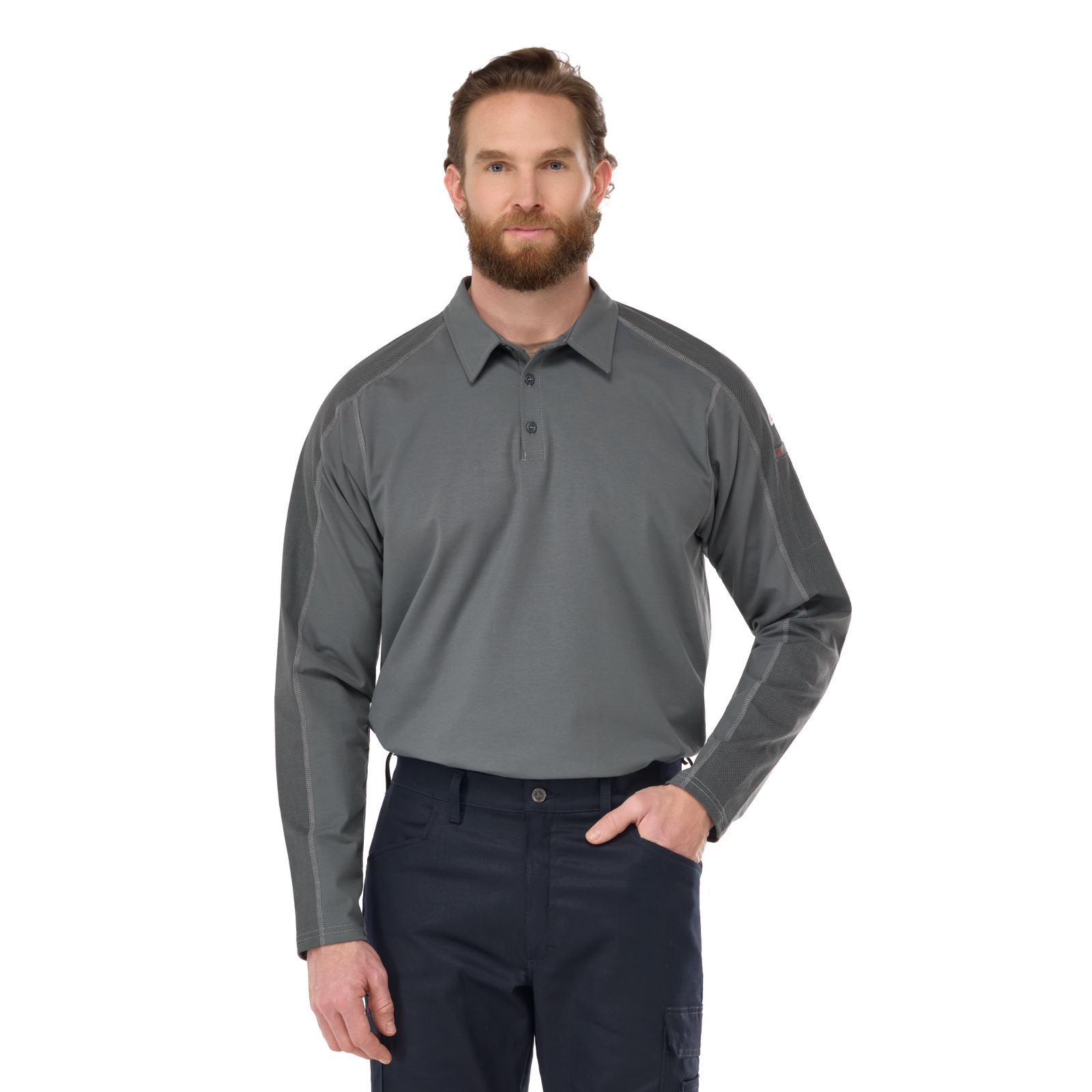
T-Shirts & Polos
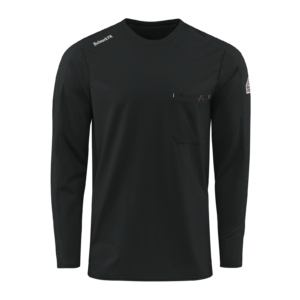
Produce crew tees and polos for ramp support, logistics, service teams, or branded uniform programs. Choose knit construction, sleeve length, collar treatment, color, printed graphics, embroidery, patches, labels, and size grading to match the intended wearing environment.
Request a Workwear Quote
Work Jackets & Outerwear
Build outerwear programs with softshell, fleece, padded, and rain-jacket formats for changing airside conditions. Development can address weather-protection design, pocket layouts, reinforced panels, reflective tape placement, closures, hood details, branding, and layered uniform compatibility.
Request a Workwear Quote
Work Vests & Bodywarmers
Specify utility vests and bodywarmers for teams needing lightweight organization or added warmth without restricting movement. Pocket configurations, front closures, lining, insulation approach, contrast panels, reflective elements, logo decoration, labels, and packing can be developed to suit the program.
Request a Workwear Quote
Work Pants & Shorts
Create work pants and shorts with straight, cargo, or utility-focused silhouettes for aviation support operations. Available development details include pocket systems, reinforced knees, gussets, bartacks, triple stitching, waistband construction, fabric selection, color matching, and branded trims.
Request a Workwear Quote
Coveralls & Bib Overalls
Develop coveralls and bib overalls for maintenance, workshop, and equipment-support teams requiring full-body coverage. Specify entry closures, chest and tool pockets, reinforced areas, adjustable bib features, reflective placement, fabric composition, decoration, labels, and graded sizing before sampling.
Request a Workwear Quote
Workwear Sets
Coordinate shirt, jacket, vest, and trouser components into consistent workwear sets for different aviation departments. Color standards, fabric compatibility, role-specific pocket layouts, decoration methods, size ranges, labels, and packaging can be planned as one uniform program rather than separate garments.
Request a Workwear Quote
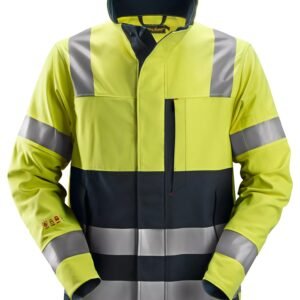
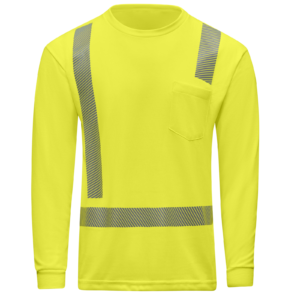
High-Visibility Workwear
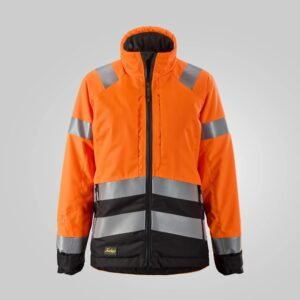
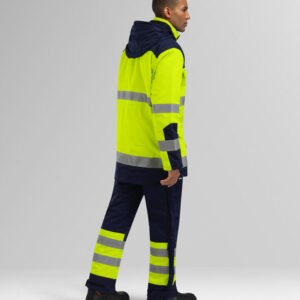
Design high-visibility garments and trims for roles where visibility is a product requirement. Vest, jacket, trouser, coverall, and shirt formats can incorporate selected color fields and reflective tape placement; any requested performance standard requires SKU-specific test evidence and certification scope.
Request a Workwear Quote
Flame-Resistant & Arc-Rated Wear
Develop flame-resistant or arc-rated garment concepts for applicable work environments, including shirts, pants, coveralls, and layered outerwear. Fabric, closures, reinforcement, pocket design, and branding can be discussed, while protective ratings must be supported by the exact tested garment and documentation.
Request a Workwear Quote
Chemical-Protective Clothing
Plan chemical-protective clothing around the intended exposure, garment format, seam construction, closure design, and required standard. Veelianpro can support product development and sourcing discussions, but chemical resistance claims, protection types, and certification must be verified for the specific finished SKU.
Request a Workwear Quote
Cold-Storage Workwear
Build cold-storage workwear with padded jackets, insulated vests, trousers, and coverall configurations for temperature-controlled facilities. Discuss insulation construction, lining, closures, cuff and collar details, pockets, reinforcement, visibility elements, and branding; temperature performance requires documented evidence for the exact product.
Request a Workwear Quote
Welding Workwear
Develop welding wear with construction suited to demanding workshop use, including coveralls, jackets, trousers, and protective layers. Fabric choice, reinforcement, closure layout, pocket placement, seams, and branding can be specified during development; any flame or heat-protection claim requires product-specific evidence.
Request a Workwear Quote
Medical & Cleanroom Wear
Produce medical scrubs, cleanroom garments, and ESD-oriented clothing for service and controlled-workplace programs. Select garment formats, fabric composition, closure style, pocket layout, color coding, size grading, labels, and packaging; cleanliness, ESD, or protective performance must be documented for each applicable SKU.
Request a Workwear Quote
Chef & Hospitality Uniforms
Create chef coats, kitchen trousers, aprons, service shirts, and hospitality uniforms with role-appropriate styling. Buyers can define fabric, closure type, pockets, colorway, piping, embroidery, woven labels, care labels, and custom packaging for coordinated front- and back-of-house presentation.
Request a Workwear Quote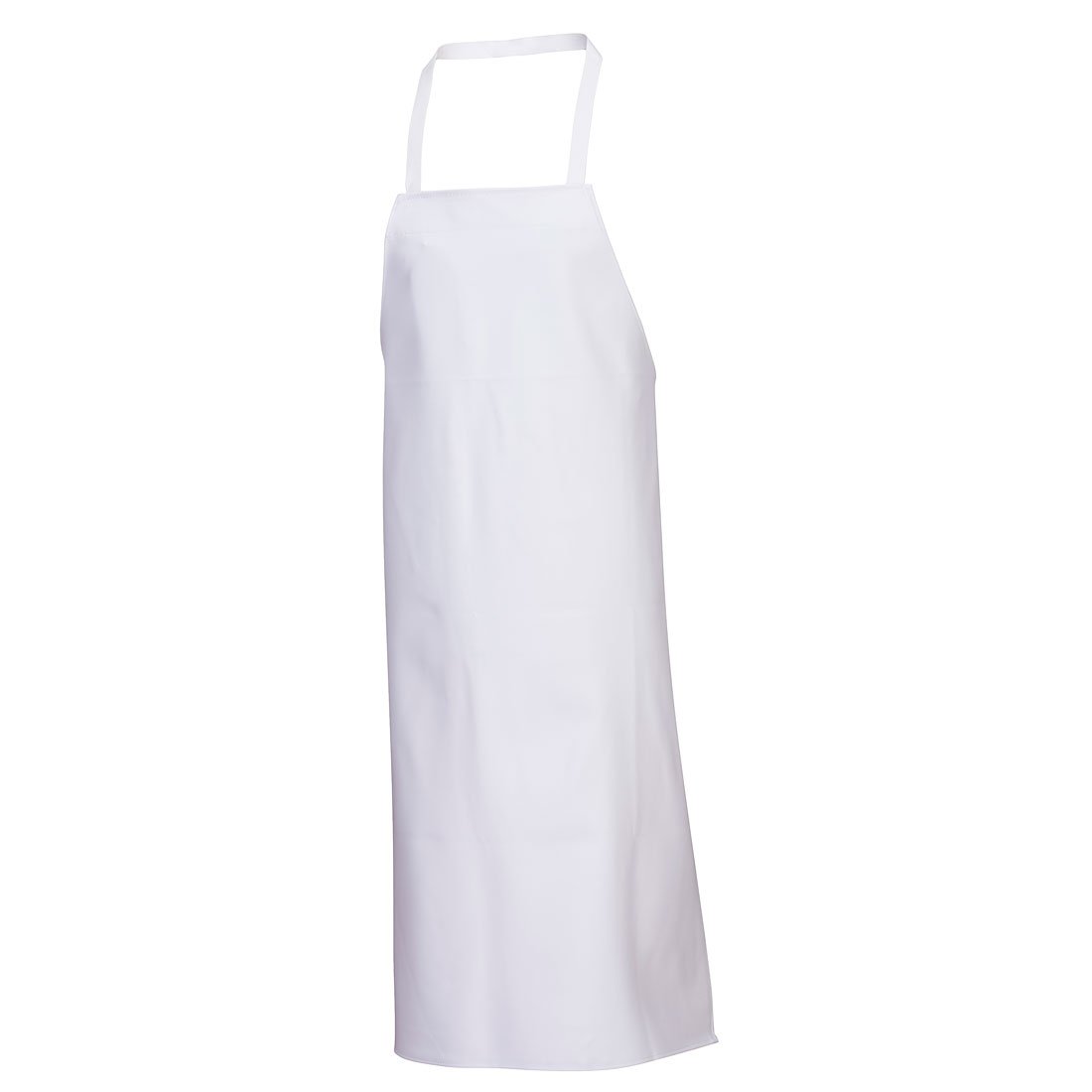
Industry Uniforms
Plan role-based uniform ranges for aviation support, logistics, facilities, security, maintenance, and service teams. Use a shared color and branding system while specifying each role’s garment type, pocket layout, sizing, and construction separately; OEM, ODM, private-label, and wholesale discussions should be confirmed in the quotation.
Request a Workwear Quote
Base Layers & Accessories
Specify program add-ons separately from core garments, including patches, woven labels, care labels, caps, aprons, and custom packaging. Record approved artwork, color references, decoration methods, and packing instructions so replacement items can be checked against the same program record; any thermal or protective performance remains a SKU-specific development requirement, not an assumed specification.
Request a Workwear QuoteMaterials for an Aviation Uniform Programs Supplier




Aviation Uniform Programs Supplier: Decoration and Garment Processes



Material Options for Custom Aviation Workwear


Decoration and Garment Construction Support
Based in Wuhan, Hubei, Veelianpro began its workwear operation in 2012 with a practical mission: help brands and sourcing teams turn apparel concepts into dependable production programs. As an aviation uniform programs supplier, we support OEM, ODM, private-label and wholesale development for flight crew, cabin crew, ground staff and related service roles.
Our process can begin with a tech pack, sketch, sample or product idea, then move through fabric and trim sourcing, pattern development, sampling, size grading, cutting, sewing, decoration, quality checks, packing and export coordination. Buyers can review fit, construction, branding and operational details before committing to larger production.
The company profile describes a team of more than 300 skilled workers; this workforce figure is company-supplied and should be verified before prominent public use. Production starts from 100 pieces per style and color, subject to fabric, construction, certification and project requirements. This combination of development support and controlled manufacturing helps buyers build repeatable uniform programs with clear specifications.

Core Capabilities from an Aviation Uniform Programs Supplier
Interpretation from Your Tech Pack
Veelianpro turns your sketch, tech pack, sample, or product idea into a workable aviation apparel specification. Our team reviews fabric, construction, pocket systems, trims, branding, and intended work settings before recommending a practical development path.
- Review sketches, samples, and technical packs
- Source fabrics, trims, labels, and packaging
- Define branding, pocket, closure, and reinforcement details
- Flag certification and testing requirements early

Pattern and Sample Development
Pattern development and sampling help buyers evaluate proportion, construction, comfort, and appearance before approving production. Veelianpro can develop shirts, trousers, jackets, vests, coveralls, and coordinated sets for flight crew, cabin crew, ground staff, or service teams.
- Build patterns around approved design requirements
- Develop samples for buyer review and revision
- Coordinate embroidery, patches, labels, and transfers
- Refine details before quotation and order confirmation

Fit, Grading, and Role Consistency
A structured size range supports consistent presentation across departments and locations. Veelianpro can review fit expectations, grade approved patterns, and coordinate role-specific garments while considering movement, layering, climate, and daily wear requirements.
- Plan size ranges and graded patterns
- Separate requirements by role or work setting
- Review fit, mobility, and layering needs
- Confirm measurements before larger production runs

Controlled Production and Reorders
After approval, Veelianpro coordinates cutting, sewing, reinforcement, decoration, finishing, quality checks, packing, and export support. OEM, ODM, private-label, and wholesale projects can start from 100 pieces per style and color, subject to fabric, certification, and construction requirements.
- Manage production details against approved specifications
- Apply in-process and finished-garment quality checks
- Support repeat orders with retained development references
- Coordinate packing, shipment, and replenishment discussions

Choose the Right Aviation Uniform Programs Supplier
Compare custom program development with off-the-shelf garments decorated after purchase. Starting MOQ is subject to fabric, certification and construction requirements.
← Swipe left or right to view →
Our Aviation Uniform Programs Supplier Process
Veelianpro is a Wuhan-based aviation workwear manufacturer supporting OEM, ODM, private-label, and wholesale programs. MOQ starts at 100 pieces per style and color, subject to fabric, certification, construction, and project requirements. We develop practical uniforms for flight crew, cabin crew, ground staff, and service teams through a controlled production workflow.
Inquiry and Feasibility Review
Share your tech pack, sketch, sample, or product idea, along with roles, quantities, destination, timeline, and applicable performance requirements.
Materials and Design Development
Veelianpro reviews fabrics, trims, fit, pocket systems, reinforcement, reflective details, branding methods, and construction requirements before preparing development samples.
Sampling and Approval
Pattern development, size grading, and sampling translate the approved concept into garments for fit, appearance, construction, and specification review.
Production and Decoration
Approved garments move through fabric preparation, cutting, sewing, reinforcement, embroidery, heat transfer, labels, patches, and other requested finishing processes.
Inspection and Export Coordination
Final quality checks confirm workmanship, measurements, decoration, packing details, and order quantities before shipment coordination and future reorder support.
How to Start with an Aviation Uniform Programs Supplier
Move from concept to repeatable aviation apparel production with a practical development and approval process tailored to your program requirements.
Submit Your Concept
Send a tech pack, sketch, sample, or product idea with target roles, quantities, destination, timeline, and any existing brand guidelines.
Confirm Specifications
Define fabrics, colors, sizing, pocket systems, trims, branding, construction details, and applicable standards so the development brief reflects your operating requirements.
Review Sample and Quote
Review prototype fit, materials, decoration, and workmanship, then assess the quotation, MOQ, production conditions, and revisions before approval for production.
Approve Production
Approve the finalized sample and specifications; Veelianpro then coordinates cutting, sewing, quality checks, packing, and export preparation for the confirmed order.
Plan Reorders
Set reorder details for sizes, colors, branding, and delivery timing to support consistent replenishment as your aviation workforce, contracts, or locations change.
Certification Evidence for an Aviation Uniform Programs Supplier


Aviation Uniform Programs Supplier Scenarios
Illustrative scenario: An airline uniform buyer needs coordinated cabin, ground, and maintenance garments from one brief. Veelianpro develops role-specific patterns, fabric and trim options, and approval samples. Intended acceptance criteria include approved fit, brand details, and documented requirements for each role.
Illustrative scenario: A safety distributor is planning an airside workwear range with visibility and protective requirements. Veelianpro reviews the requested standard, discusses requested materials, and prepares samples with specified reflective placement and reinforcement. Intended acceptance criteria include SKU-specific test evidence and certification scope where protection is required.
Illustrative scenario: An aviation services contractor needs a private-label rollout for ground operations across changing headcounts. Veelianpro converts the approved design into graded patterns, branding specifications, packing instructions, and reorder records. Intended acceptance criteria include consistent approved materials, construction, sizing, and clear order quantities by style and color.
Aviation Uniform Programs Supplier FAQ
Practical answers for sourcing custom aviation apparel through Veelianpro’s OEM, ODM, private-label and wholesale production process.
What does an aviation uniform programs supplier need to quote my project?
Can an aviation uniform programs supplier develop apparel for flight crew, cabin crew and ground staff?
What customization can an aviation uniform programs supplier provide?
Can an aviation uniform programs supplier provide samples before bulk production?
What is the MOQ for an aviation uniform programs supplier?
How does an aviation uniform programs supplier maintain consistent fit and quality?
How long does an aviation uniform programs supplier take to produce an order?
Can an aviation uniform programs supplier support repeat orders, shipping and payment?
Aviation Uniform Programs Supplier: Procurement Guide
A practical framework for defining role-specific aviation uniforms, evaluating supplier capability, approving samples, planning replenishment, and avoiding specification, fit, and rollout mistakes before ordering.
1. What an Aviation Uniform Programs Supplier Delivers
An aviation uniform program is a controlled apparel system for defined roles, not a one-time purchase of matching garments. It brings together approved role descriptions, garment specifications, color and branding rules, sizing information, sample approvals, order records, packing instructions, and a plan for repeat supply.
The first procurement question is practical: which roles, sites, and service conditions must the program cover? A passenger-facing team may need coordinated shirts, polos, trousers, jackets, or hospitality-style pieces that present a consistent identity, while ramp, baggage, maintenance, or other operational teams may require workwear features matched to movement, weather exposure, visibility needs, or specified protection.
That distinction should stay visible in the brief. Customer-facing uniforms prioritize a polished, recognizable appearance and all-shift comfort; operational workwear starts with the task, environment, pocket layout, reinforcement, and any documented protective requirement. Where protection is needed, the requested standard, test evidence, and certificate scope must be stated rather than assumed from a garment category.
Veelianpro can develop custom workwear and service-apparel components from a tech pack, sketch, sample, or product idea, with fabric and trim sourcing, pattern development, sampling, grading, production, quality checks, packing, and export coordination. Its starting MOQ is 100 pieces per style and color, subject to fabric, certification, and construction requirements; use the quote stage to confirm whether the proposed program can be grouped into workable production runs.
2. Map Aviation Roles and Operating Conditions
An airport program is a set of role-specific garment systems, not one uniform applied everywhere. Map each job against passenger contact, range of motion, indoor or apron exposure, identification needs, and the documented hazards of its work area.
| Role Group | Primary Garment Focus | Operating Condition |
|---|---|---|
| Flight deck and cabin | Professional presentation and mobility | Long wear; passenger contact |
| Check-in and gate | Clear identification and polished appearance | Terminal service and standing |
| Ground operations and security | Visibility, movement, and role recognition | Apron activity and access control |
| Maintenance and refueling | Task-specific workwear and protective requirements | Equipment, outdoor exposure, and documented hazards |
Separate Service From Airside Work
Flight deck, cabin crew, check-in, and gate teams need a controlled, passenger-facing appearance while standing, walking, and handling service tasks. Their approved garments should distinguish roles without adding industrial features that compromise the intended presentation.
Ground operations, maintenance, security, and refueling work closer to vehicles, equipment, weather, or controlled-access points. Specify pockets, coverage, mobility, and identification by task rather than carrying one office-style design across the program.
Build Role Briefs Before Sampling
Use one role brief per garment system: duty location, shift conditions, movement, visibility requirement, identification method, laundering route, and required protection. This gives Veelianpro a usable basis for fabric and trim sourcing, pattern development, reinforcement, decoration, and sampling.
High-visibility, flame-resistant, arc-rated, chemical-protective, or weather-protective features are design targets until the buyer supplies the applicable requirement and required test or certificate. Do not treat a product family as evidence of a protective rating.
Plan Distinct Outer Layers
Apron-facing teams may move between terminals and outdoor work, so a role brief should state expected weather exposure and whether a separate jacket, vest, or coverall is required. Keep branded passenger-facing layers separate from protective layers when the tasks and approval criteria differ.
Grouping compatible roles can simplify an initial order, but should not erase task-specific protection or identification. Confirm the feasible quantity by style and color during quotation, especially where fabric, certification, or construction changes the production setup.
3. Plan Apparel Components by Role
Aviation programs work best as a coordinated wardrobe, not one garment repeated across every job. Veelianpro can develop role-specific pieces from a shared color, trim, branding, and sizing brief while preserving each wearer’s working function.
| Role Group | Typical Components | Primary Design Priority |
|---|---|---|
| Flight deck | Shirt, epaulets, outer layer | Professional structure and identification |
| Cabin and terminal | Tailored separates, accessories, jacket | Service presentation and mobility |
| Airside and maintenance | Workwear, vest, jacket, coverall | Task movement and specified protection |
Flight Deck Layers
Where a flight-deck brief calls for a structured shirt, chest pockets, or epaulet attachments, document the approved collar, closure, pocket configuration, and attachment method. Review any outer layer with the shirt to confirm that required identification remains visible and the intended seated movement is accommodated.
Keep rank details, logo placement, and approved color treatment consistent; do not assume an epaulet format or fabric performance without an approved specification.
Cabin And Terminal Separates
For a cabin-crew brief that includes tailored jackets, shirts, trousers, skirts, or accessories, define each component and its approval criteria for service movement and the intended onboard conditions.
Terminal teams may use different pocket layouts or outer layers from cabin teams. Shared accent color, badge treatment, labels, and other approved identity details can connect the groups without forcing identical garments.
Airside And Maintenance Workwear
Airside roles need work shirts, trousers, vests, jackets, coveralls, or two-piece suits selected around movement, weather, visibility, and task equipment. Reinforced knees, bartacks, gussets, reflective tape placement, and pocket systems should follow the approved role brief.
Maintenance or refueling protection is not a style upgrade: specify the applicable hazard, standard, test evidence, and certificate scope before claiming flame resistance, arc protection, or chemical protection.
4. Materials and Technical Options
Material selection starts with the duty period, laundering route, and temperature changes a role encounters. Veelianpro can source fabric and trims around an approved specification, but a performance or protective claim requires the applicable test evidence and certification scope.
| Garment Category | Review Points | Operating Context | Evaluation Method |
|---|---|---|---|
| Woven shirt | Breathability, crease recovery, color consistency | Cabin, check-in, office | Wear trial and wash-approved sample |
| Tailored suit | Structure, drape, crease recovery | Passenger-facing duty | Fit review and seated-movement trial |
| Stretch trouser | Movement, recovery, laundering | Cabin service, gate operations | Squat, reach, and wash trial |
| Outerwear layer | Weather exposure, comfort, closure function | Apron, vehicle, terminal transitions | Layering trial in expected climate |
| Workwear garment | Abrasion resistance, laundering, reinforcement compatibility | Ramp, baggage, maintenance | Task trial and construction review |
Match Fabric To Duty

For woven shirting, define the required hand feel, appearance standard, color reference, and intended care process, then evaluate those points on a submitted sample. For passenger-facing separates or stretch garments, use seated and movement trials to assess the approved sample rather than assuming a fabric will meet a comfort or recovery target.
For ramp, baggage, or maintenance roles, identify the actual task, likely contact points, laundering route, and reinforcement locations before selecting fabric. One fabric brief should not be assumed suitable for cabin, terminal, and airside work; document the acceptance criteria for each garment system.
Build Outerwear By Layer
Treat outerwear as a layer system rather than simply a heavier jacket. Define the shell, lining, closures, intended layering arrangement, expected weather exposure, and work locations in the brief, then assess the submitted sample against those requirements.
Request fabric hand-feel, shade approval, and care-process samples together. Include the handling conditions that matter to the program—such as folding, packing, or wet-weather exposure—in the sample review plan instead of assuming performance from appearance alone.
Approve Care And Continuity
Put the intended care method in the brief, then compare samples after the buyer’s representative care process before releasing production. Define in advance which appearance, measurement, color, and construction changes are acceptable for that review.
Record the approved fabric reference, trim, color standard, garment application, and care instruction in the tech pack. This gives repeat orders a controlled reference without treating an untested material as a guaranteed performance specification.
5. Customization, Identity, and Finishing
Aviation identity succeeds when approved visual rules are converted into controlled garment specifications, not verbal preferences. Veelianpro can develop colors, branding, trims, labels, and packaging from a tech pack, sketch, sample, or product idea.
| Element | Identity Function | Operational Check |
|---|---|---|
| Epaulet or badge | Role and rank recognition | Secure attachment and readable placement |
| Scarf or neckwear | Coordinated brand accent | Movement and fastening review |
| Pocket or closure | Garment usability | Access during real role movements |
Turn Guidelines Into Specifications
Record the approved color reference, logo artwork, placement coordinates, decoration method, rank identifier, and permitted trim finish for each role. A cabin scarf or neckwear detail should be specified separately from a pilot epaulet or ground-team badge.
Define pockets and closures by task: document access, radio use, seated comfort, and fast removal matter more than visual symmetry. Protective-role requirements remain separate from decorative components and require their own documented scope.
- Logo size and placement reference
- Rank and role identifier artwork
- Pocket, closure, and trim schedule
Approve The Prototype In Use
Review a prototype under the lighting conditions relevant to its intended use. Ask wearers to reach, bend, sit, walk an aisle, and access required pockets before approving placement.
Check scarves, neckwear, badges, and closures during the agreed movement review. Record approved changes on the final sample and technical file rather than relying on meeting notes.
Control Continuity On Reorders
Uncontrolled substitutions in fabric shade, badge backing, zipper finish, or logo thread can make later replenishment look like a different program. Lock the approved bill of materials, artwork version, placement guide, and sample reference with the order record.
Confirm colorway, component availability, and feasible replenishment quantities during quotation. A repeat order should reference the approved version and identify any proposed material, trim, color, or construction change for written review.
6. Construction and Wear-Life Quality
An approved sample should be handled as a wear-life reference, not merely a visual sign-off. Inspect how each construction choice behaves at movement points, under closures, and after the intended laundering method.
| Sample Check | Failure Mode If Missed | Approval Evidence |
|---|---|---|
| Stress seams | Seam opening | Flexed garment inspection |
| Closures and trim | Loose or misaligned components | Repeated opening and closing |
| Wash-care trial | Distorted shape or uneven appearance | Laundered approved sample |
Seams And Stress Points

Check inseams, armholes, crotches, pocket corners, and sleeve joins while the garment is worn and flexed. Record the buyer’s acceptance criteria for stitching, seam construction, and reinforcement at each identified stress point.
Specify reinforcement locations in the approved tech pack, such as bartacks at pocket entries or reinforced knees where relevant. Veelianpro can discuss bartacks, triple stitching, gussets, and reinforcement during development; the final sample should show the agreed treatment.
Closures, Pockets, And Hems
Open and close zippers, buttons, snaps, and epaulet attachments repeatedly on the sample. Loose trim, misaligned closures, or poorly secured attachments can create an untidy appearance or early replacement need.
Wear-test pocket placement with the role’s actual routine items. Check that pocket openings remain usable, hems stay level during movement, and jacket or trouser linings do not pull the shell out of shape.
Color And Care Compatibility
Approve color against the agreed reference under the lighting conditions used for review, then compare garments from the same sample set. Record the accepted shade relationship among panels, trims, and role pieces.
Confirm the care method before bulk approval and review sample garments after the buyer’s intended care process. Record any accepted or rejected change in measurements, appearance, color, trims, or construction before releasing bulk production.
7. Evaluate Supplier Program Controls
A capable aviation uniform programs supplier controls the approved specification as carefully as the garment. Compare proposals by the records, checkpoints, and handoffs that make a repeat order reproducible across roles and locations.
| Proposal Area | Evidence To Request | Why It Matters |
|---|---|---|
| Role coverage | Role-to-garment schedule | Prevents one generic style serving incompatible duties |
| Specification control | Dated tech pack and approval record | Keeps patterns, colors, trims, and branding aligned |
| Sizing and samples | Fit approach and signed sample comments | Turns wearer feedback into a production reference |
| Quality and delivery | Inspection, packing, shipping, and escalation plan | Clarifies acceptance and responsibility at handoff |
| Continuity | Reorder record and change-control process | Makes later orders traceable to the approved version |
Compare Program Controls
Ask each bidder to map flight deck, cabin, terminal, airside, and maintenance roles to specific garments, size ranges, branding, and any required protection. A broad catalog is not role coverage unless the proposal identifies what is included.
Require named ownership for the tech pack, graded pattern, color standard, approved trim, sample comments, and final approval record. Veelianpro can develop from a tech pack, sketch, sample, or product idea and supports sampling, grading, decoration, packing, and export coordination.
Write A Usable RFP
State quantities by role and location, rather than one program total: cabin crew at Base A, ground operations at Base B, and maintenance teams at Base C. Identify rollout sequence, destination, packing configuration, and who books or receives shipment.
Define acceptance before quotation: approved sample reference, measurement tolerances supplied by the buyer, color approval method, logo placement, inspection points, packing labels, and defect-resolution contact. For protective garments, attach the applicable standard and required test or certificate; a design target is not proof of performance.
- Role and location quantity schedule
- Approved-document owner and revision date
- Sample, color, and sizing sign-off
- Packing, delivery, and escalation contacts
Test Repeat-Order Readiness
Request a clear route from approved sample to production inspection, shipment, and reorder support. Confirm how the supplier will retain the approved specification and how a change to fabric, trim, color, or construction is submitted for written approval.
Illustrative procurement scenario: a buyer separates cabin and ramp quantities by two bases, approves one labeled sample set, and assigns its procurement lead as document owner. The supplier proposal then names the production contact and escalation contact for approval, inspection, and delivery questions.
8. Mistakes That Disrupt Uniform Rollouts
A rollout fails when approval captures only a polished sample, not the decisions that govern daily issue, wear, replacement, and repeat production. Resolve these gaps before committing the bulk order.
| Failure Pattern | Operational Consequence | Bulk-Order Remedy |
|---|---|---|
| One design for all roles | Poor task fit or unsuitable protection | Approve role-specific specifications |
| Appearance-only approval | Wear, wash, or sizing disputes | Run fit and care validation |
| Undefined substitutions | Inconsistent repeat garments | Require written approval controls |
| No replenishment record | Slow, mismatched replacements | Retain approved SKU details |
Do Not Force One Pattern
A cabin-facing tailored layer, an airside vest, and maintenance coveralls serve different movement, pocket, visibility, and protection needs. One shared design can leave one role impractical or improperly specified.
Build role-specific garment specifications from the work setting and tasks. Where protection is required, define the applicable standard and required test or certificate before production.
Test Fit Beyond Appearance
A sample can look correct while binding during reaching, bending, seated duty, or service work; laundering can also change the approved impression. Omitting size-range evidence shifts avoidable exchanges into the rollout.
Conduct wear and movement trials across the intended size range, then record approved measurements, grading, care method, and alterations. Retain the approved sample and specification as the production reference.
Lock Identity And Continuity
An unspecified logo position invites inconsistent placement between garments, while an unapproved fabric, trim, or decoration substitution can break program continuity. A clear artwork file alone is not a placement instruction.
Document placement dimensions, reference points, colors, decoration method, and a written substitution-approval path. Plan replenishment with the original specifications, role SKUs, and reorder records rather than treating replacement garments as a new project.
9. Launch an Approved Uniform Program
A controlled launch turns a good-looking aviation uniform into a repeatable operating program. Freeze each decision in sequence, so a fit change, logo revision, or packing error does not surface after production release.
Build The Release File
Start with an operational brief by role, work setting, garment list, size range, and any required protective standard. The acceptance gate is a signed specification matrix covering fabric, construction, trims, branding locations, care labels, and approved color references.
Provide vector artwork, color references, placement dimensions, and packaging marks with the matrix. Approval means every file has a version number and an owner; unresolved artwork or color questions stay out of prototype release.
- Role and garment matrix
- Artwork and color reference files
- Construction and trim specifications
- Packing and destination requirements
Test Fit Before Production
Make a prototype from the approved release file, then conduct a role-specific fit trial before bulk authorization. The gate is documented acceptance of movement, sizing, pocket access, appearance, and all approved decoration details.
The final sample should be checked against the matrix, including labels, reinforcement, finishing, and packing presentation. A signed sample approval becomes the production reference; a requested change requires a revised record rather than an informal message.
Plan Distribution And Reorders
Release production only after the approved sample, quantity breakdown, packing plan, and destination instructions align. Plan phased distribution by location or role, with carton labels and receiving checks that let the buyer reconcile garments against the order.
Illustrative quantity example, not a MOQ confirmation: a 300-piece program might allocate 120 cabin-program pieces, 80 flight-deck-program pieces, and 100 ground-operation pieces. The 120 + 80 + 100 allocation equals 300 pieces, but the buyer must still confirm the style, color, and size mix in the quotation. Confirm the record-retention approach for approved patterns, fabric and trim references, size data, and reorder history; MOQ, lead time, and delivery commitments require a quote and editorially verified terms.
10. Cost Drivers for Aviation Uniform Programs
Aviation uniform quotes change most when one program combines cabin presentation pieces with ground or operational garments: each role can require different fabrics, trims, pockets, visibility details, and construction. Veelianpro starts from a tech pack, sketch, sample, or product idea and can source fabric and trims, develop patterns, sample, grade sizes, decorate, pack, and coordinate export.
A comparable quote needs an approved role-by-role garment matrix rather than one total headcount. Veelianpro’s starting MOQ is 100 pieces per style and color, subject to fabric, certification, and construction requirements; request an individual quotation for final commercial terms.
For a scoped quote request, provide each role and garment, fabric composition or target, size range and size split, colors, branding method and placement, quantity by style/color, sample-round needs, packing plan, destination, shipment allocation, applicable protection standard with required evidence, and replenishment forecast.
| Cost Driver | Why It Changes Cost | Quote Must Specify | Buyer Control Point |
|---|---|---|---|
| Role mix and garment range | Separate shirts, trousers, jackets, vests, or coveralls add patterns, materials, and operations. | Role matrix, garment quantities, colorways, and intended work setting. | Limit launch styles to approved role needs; phase additions. |
| Fabric, trims, and construction | Composition, weight, weather protection, reinforcements, bartacks, reflective tape, and pocket systems change inputs and sewing time. | Fabric target, trim list, construction details, and any required standard or test scope. | Approve swatches and construction sample before bulk confirmation. |
| Pattern, sizing, and samples | New patterns, grading, extended size splits, fitting changes, and repeat sample rounds add development work. | Tech pack or sketch, measurement chart, size range, fit comments, and number of sample rounds. | Freeze measurements and approval comments before production. |
| Branding and packaging | Embroidery, screen printing, heat transfer, patches, labels, and custom packaging each require defined artwork and placement. | Artwork files, dimensions, locations, label copy, packing method, and carton marks. | Standardize artwork and packaging across roles where appropriate. |
| Volume, shipment, and replenishment | Quantity by style/color, split packing, destination allocation, export handling, and repeat-order structure affect production and logistics planning. | Order split, destination, Incoterm if selected, packing allocation, and replenishment schedule. | Consolidate compatible styles and document reorder specifications. |
Request an Aviation Uniform Programs Supplier Quote
Send your tech pack, sketch, or product idea with garment, fabric, quantity, branding, destination, and timeline details.