
Custom Work Pants Manufacturer for OEM and Private Label
Veelianpro is a stretch work pants manufacturer offering custom development, sampling, and production from 100 pieces per style and color.
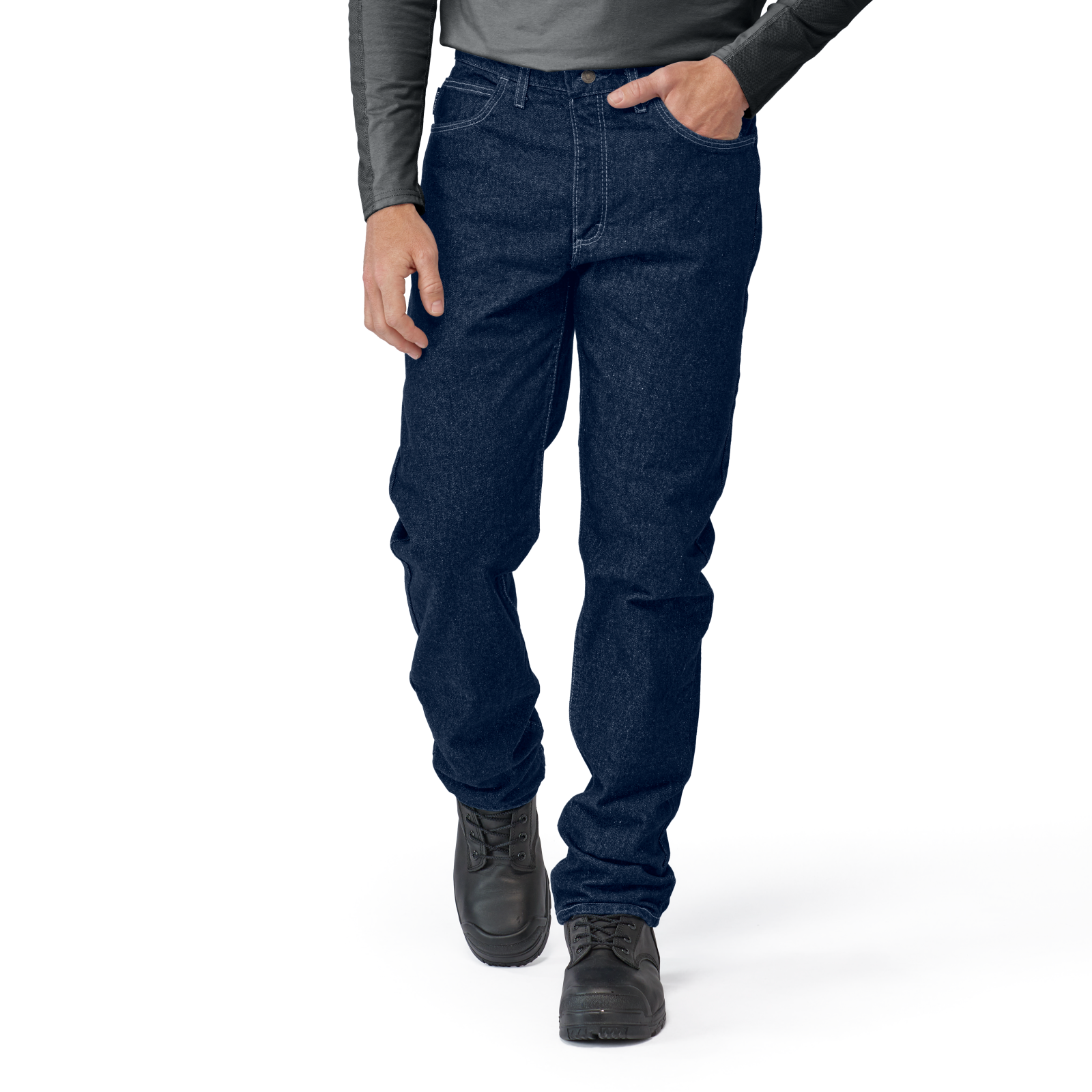
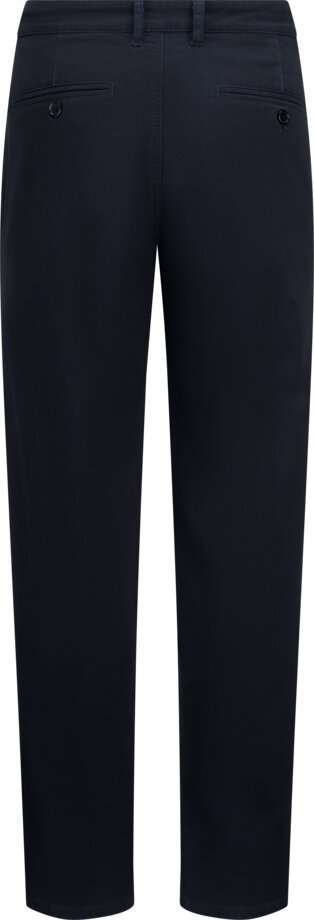
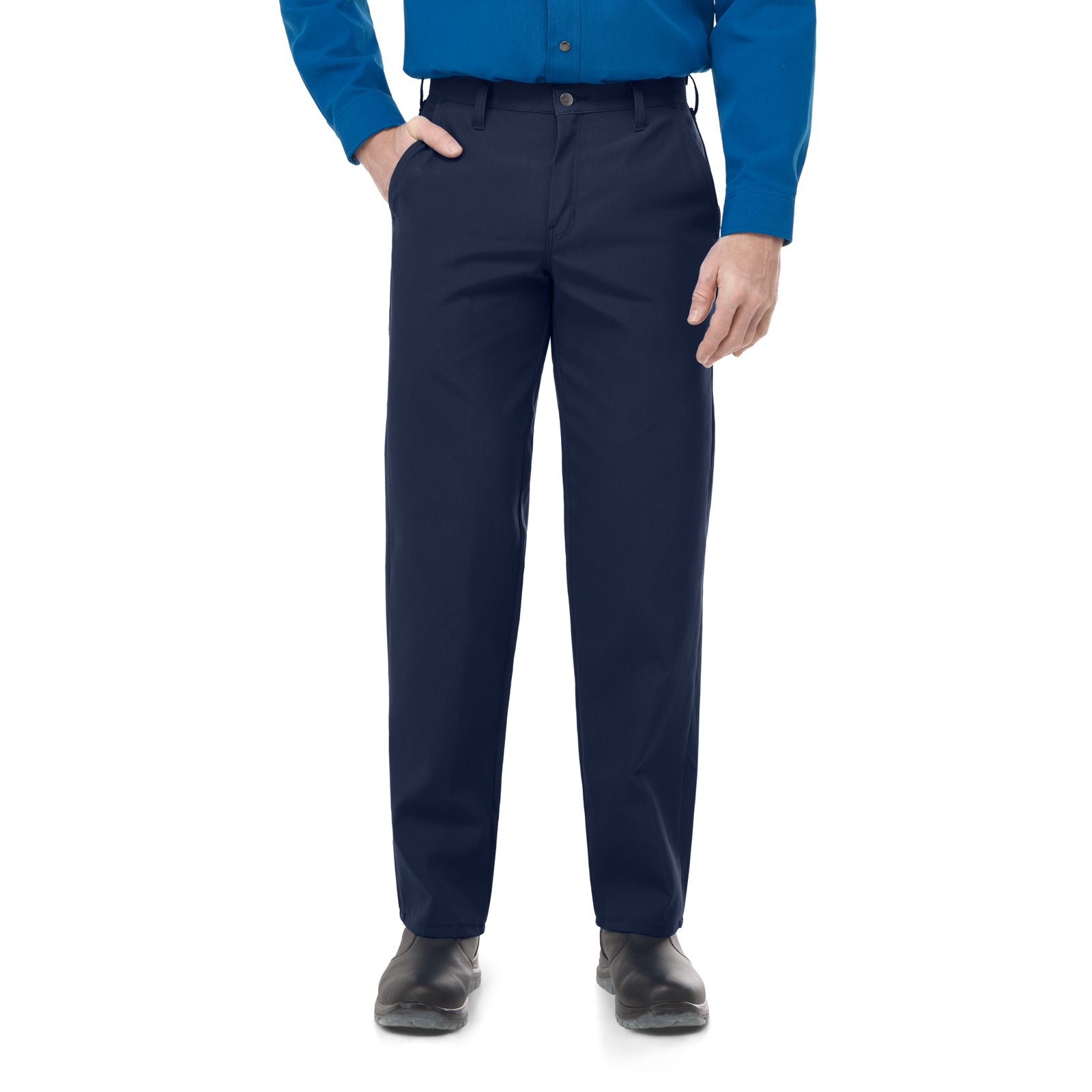
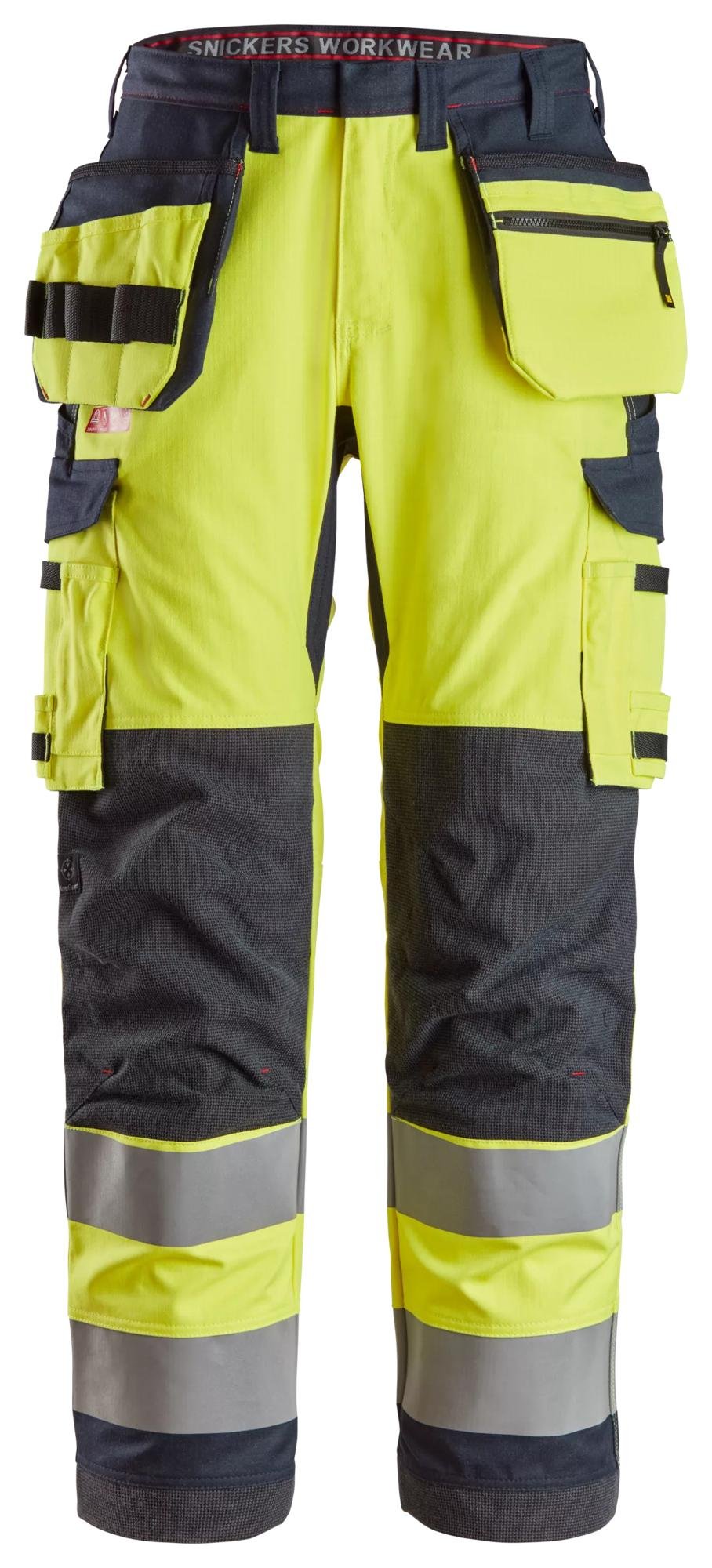
Featured Products for Custom Workwear Development







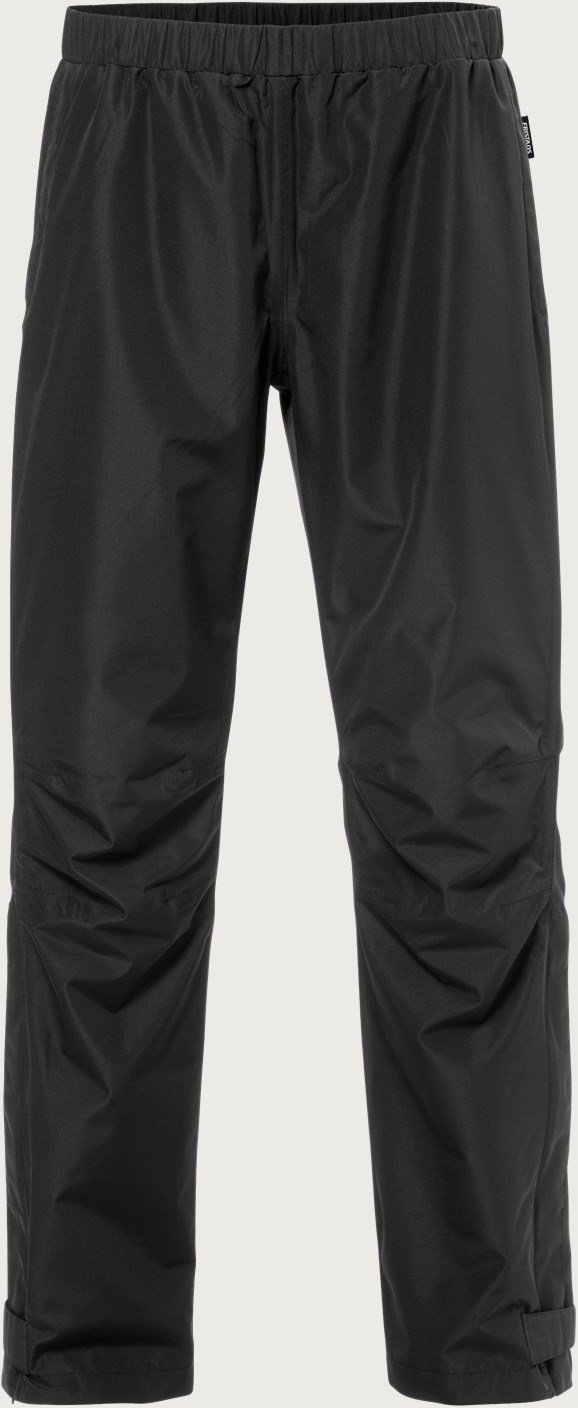
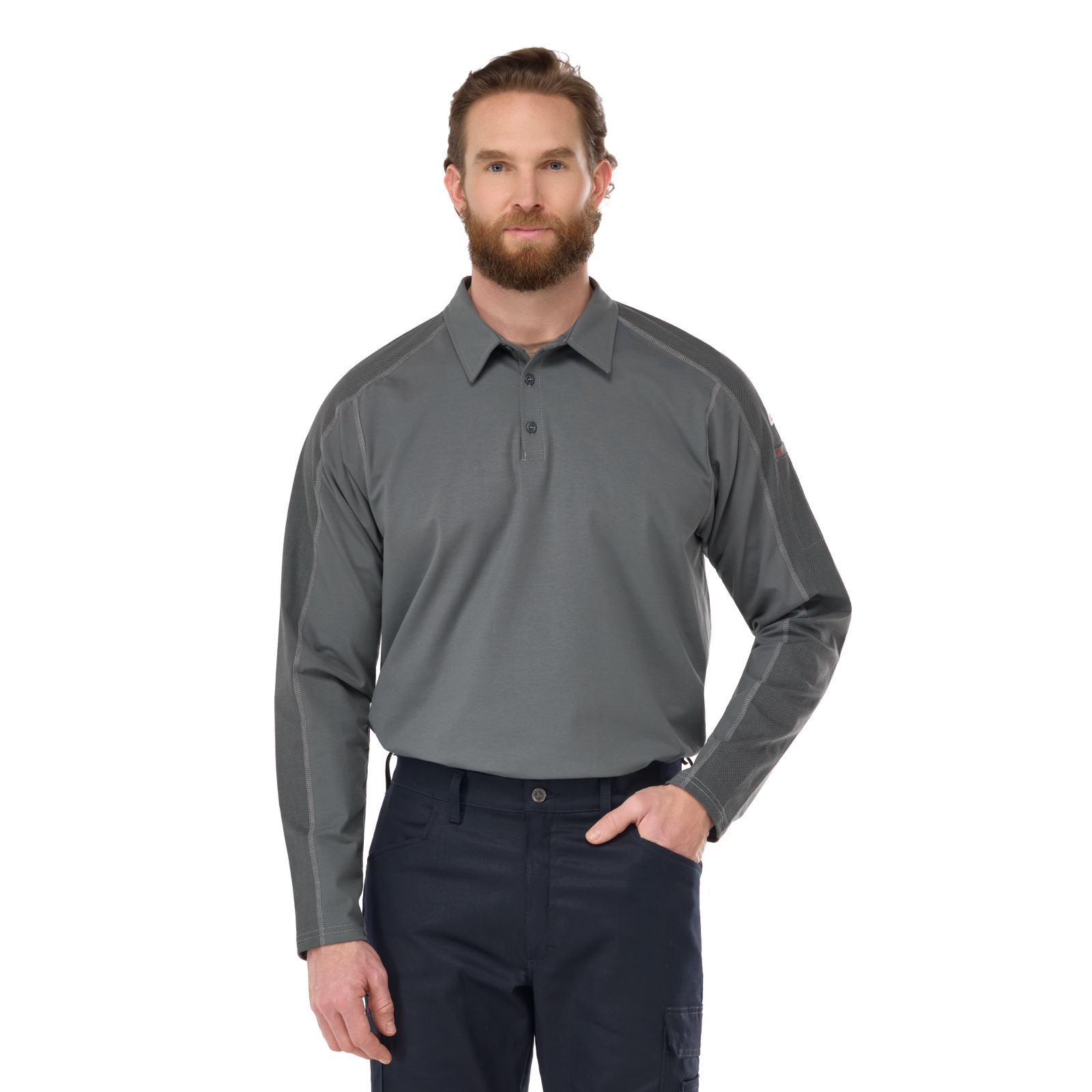

Related Product Catalogue and Quotation

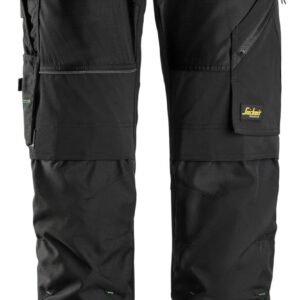


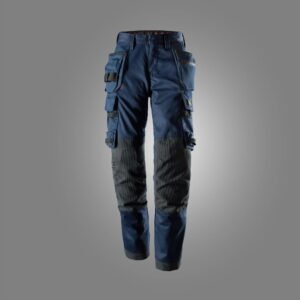
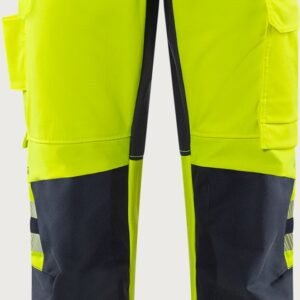
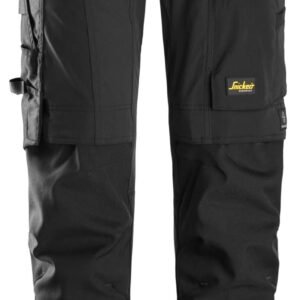


Why Choose Veelianpro as a Stretch Work Pants Manufacturer
Build durable, comfortable stretch work pants with controlled fabric, fit, utility, branding and production details through an OEM workwear manufacturer for OEM, ODM and private-label programs.
Custom Fabric and Fit
As a stretch work pants manufacturer, we develop fabric blends, stretch levels, fits, waistbands, pockets and reinforcements around job demands.
OEM and Private Label
Launch OEM, ODM or private-label programs with custom branding, labels, packaging and garment specifications aligned to your target market.
100-Piece Starting MOQ
Start from 100 pieces per style and color, subject to fabric, certification, construction and project requirements.
Integrated Production Support
Coordinate pattern development, grading, sourcing, cutting, sewing, finishing, inspection, packing and export support through one production partner.
Practical Sampling First
Validate mobility, comfort, appearance and utility details through practical sampling before confirming bulk production quantities and specifications.
Custom Workwear Categories for Job-Specific Programs
Develop garments for industrial, safety, service, healthcare, and hospitality programs with construction and branding aligned to the intended work setting.

Work Shirts
Develop button-front, snap-front, and utility work shirts with fabric and trim sourcing, chest-pocket configurations, reinforced stress points, and custom labels. Suitable for industrial crews, field service teams, and uniform programs requiring coordinated colors, size grading, and branding.
Request a Workwear Quote
T-Shirts & Polos
Produce crew-neck and V-neck tees, plus polo shirts with collar, placket, sleeve, and pocket details matched to your program. Fabric composition, weight, color, decoration method, care labels, and private-label packaging can be specified during development.
Request a Workwear Quote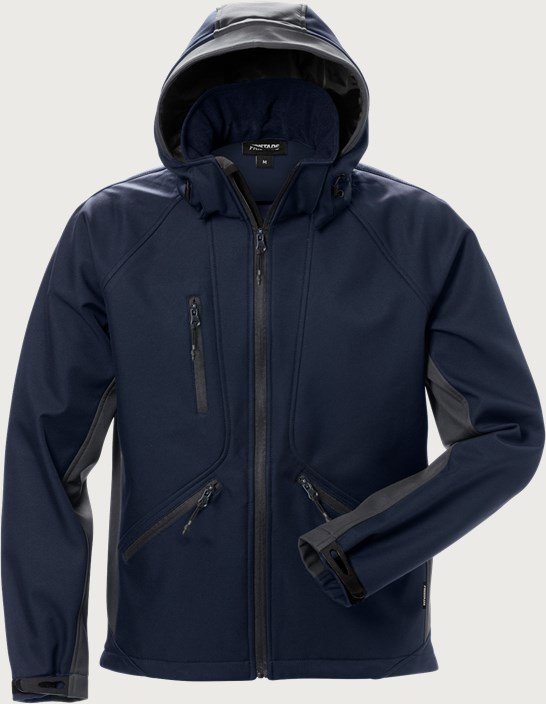
Work Jackets & Outerwear
Build softshell, fleece, padded, and rain-jacket programs around the required work setting and layering needs. Discuss shell fabric, insulation, closures, pocket layout, reinforcement, weather-focused features, reflective-tape placement, and decoration before sampling.
Request a Workwear Quote
Work Vests & Bodywarmers
Specify lightweight utility vests or insulated bodywarmers with practical pocket systems, zipper or snap closures, panel colors, and logo applications. These layers can support service, warehouse, logistics, and outdoor workwear collections without replacing a full jacket program.
Request a Workwear Quote
Work Pants & Shorts
Create stretch work pants, cargo pants, and work shorts with fabric selection, waistband construction, pocket placement, gussets, reinforced knees, bartacks, and triple stitching defined in the tech pack. Size grading, colors, labels, and packaging can be tailored for each program.
Request a Workwear Quote
Coveralls & Bib Overalls
Develop one-piece coveralls, bib overalls, and practical workwear silhouettes for industrial and maintenance applications. Construction can include specified closures, tool pockets, reinforced areas, adjustable straps, reflective details, and buyer-selected branding methods.
Request a Workwear Quote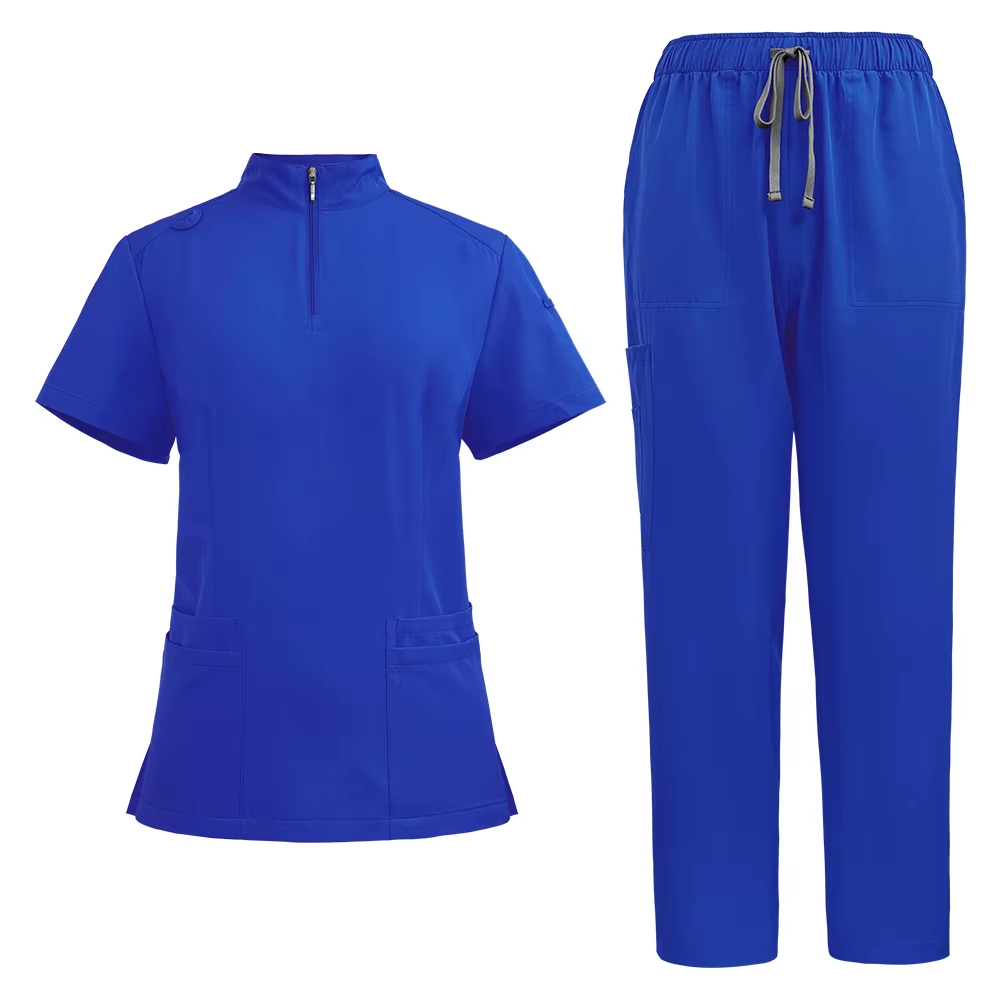
Workwear Sets
Coordinate shirts, jackets, vests, pants, or bibs into matched two-piece workwear sets. Shared fabrics, colors, trims, branding, and size ranges help brands and uniform buyers maintain a consistent appearance across job roles and seasonal layers.
Request a Workwear Quote
High-Visibility Workwear
Develop high-visibility garment families, including vests, jackets, pants, coveralls, and coordinated sets, with planned contrast panels and reflective-tape placement. Any required visibility standard, material specification, testing, and certificate scope must be defined for the individual SKU.
Request a Workwear Quote
Flame-Resistant & Arc-Rated Wear
Support development of flame-resistant and arc-rated garment families, including shirts, pants, coveralls, and outer layers. Fabric, construction, labeling, and required performance documentation must be selected against the buyer’s applicable standard; no rating is assigned without SKU-specific evidence.
Request a Workwear Quote
Chemical-Protective Clothing
Develop chemical-protective clothing concepts around the intended workplace exposure, garment format, closure system, seam approach, and material requirements. Buyers should provide the chemical type, applicable standard, and required test evidence so the product specification can be assessed accurately.
Request a Workwear Quote
Cold-Storage Workwear
Build cold-storage apparel programs with layered jacket, vest, pants, coverall, and accessory combinations suited to the intended work routine. Insulation, shell material, closures, cuffs, pocket access, and mobility requirements are defined during product development rather than assumed.
Request a Workwear Quote
Welding Workwear
Produce welding-wear product families with specified garment coverage, durable construction, reinforcement, closures, and pocket placement for the work process. When protective performance is required, the buyer’s standard and documentation requirements guide material selection and SKU development.
Request a Workwear Quote
Medical & Cleanroom Wear
Create medical scrubs, cleanroom garments, and ESD wear with styles, fabric requirements, closures, size ranges, and labeling suited to the specified environment. Cleanroom or ESD properties require buyer-defined standards and applicable test or certification documentation for the finished SKU.
Request a Workwear Quote
Chef & Hospitality Uniforms
Develop chef coats, kitchen uniforms, service shirts, aprons, and hospitality apparel with coordinated colors, practical closures, pocket details, and logo treatment. Fabric selection, sizing, care-label requirements, and private-label presentation can be aligned with the operating environment.
Request a Workwear Quote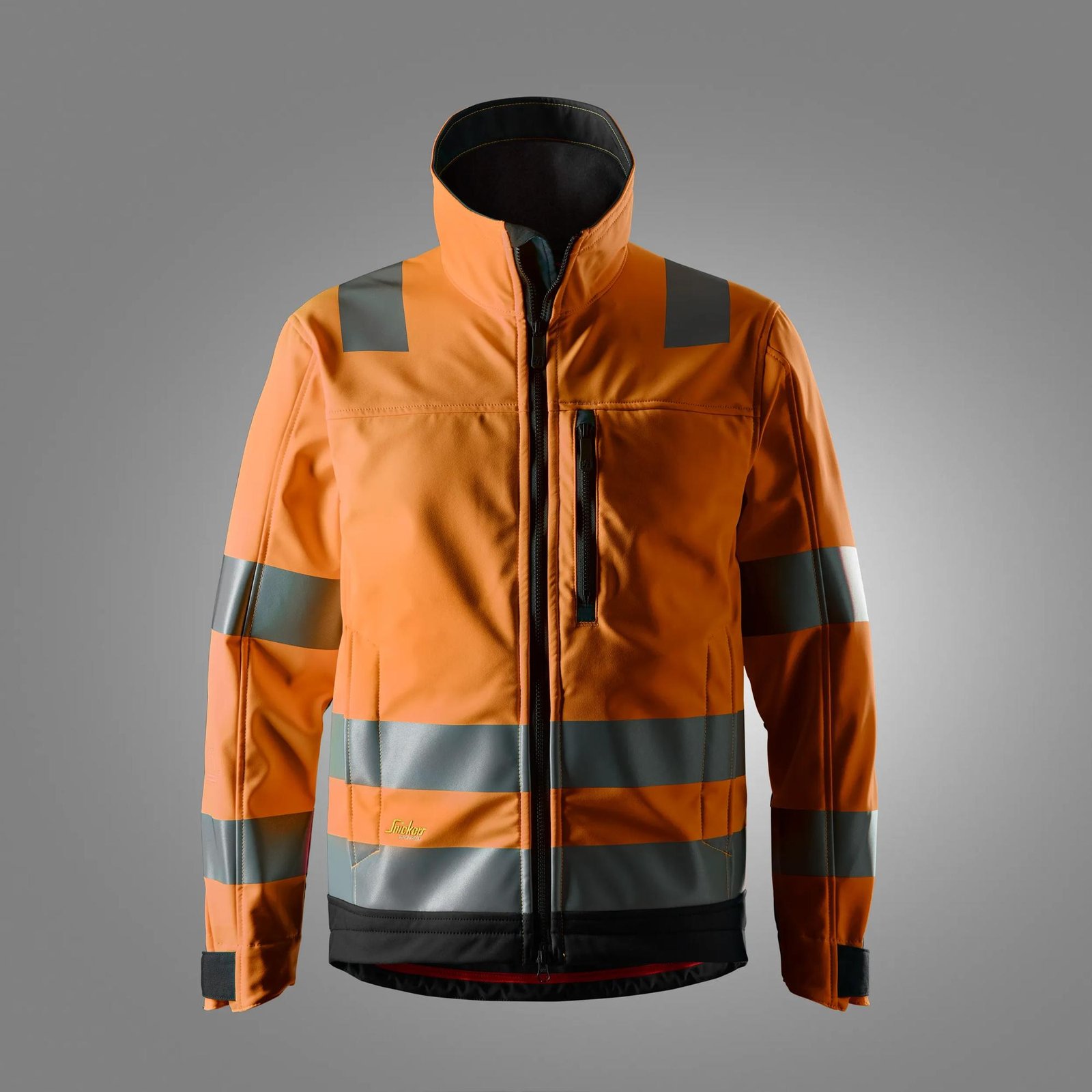
Industry Uniforms
Supply custom uniform programs for industrial, service, logistics, maintenance, and enterprise teams. Combine core garments into role-specific assortments with consistent color control, logo placement, trim details, size grading, packing, and wholesale or private-label requirements.
Request a Workwear Quote
Base Layers & Accessories
Complete workwear programs with base layers and supporting accessories such as caps, aprons, belts, gloves, and coordinated add-ons where project requirements allow. Specify material, color, labeling, decoration, packaging, and intended use alongside the main garment order.
Request a Workwear QuoteMaterials for Custom Stretch Work Pants




Production Processes from a Stretch Work Pants Manufacturer



Custom Accessories from a Stretch Work Pants Manufacturer


About Veelianpro: Custom Workwear Manufacturer in Wuhan, China
Hubei Veelianpro Workwear Co., Ltd. is a Wuhan-based stretch work pants manufacturer whose company profile states that its workwear operation began in 2012. The team supports OEM, ODM, private-label and wholesale programs, helping buyers turn a tech pack, sketch, sample or product idea into a production-ready garment.
Veelianpro combines fabric and trim sourcing, pattern development, sampling, grading, cutting, sewing, reinforcement, decoration, finishing, quality checks, packing and export coordination. Buyers can develop stretch work pants around mobility, pocket layouts, reinforced knees, bartacks, stitching, branding and intended work settings, with MOQ starting at 100 pieces per style and color, subject to project requirements.
The company profile also describes a team of more than 300 skilled workers. This figure, along with other operating details, is company-supplied and should be verified before prominent public use. For a practical starting point, share your garment concept, fabric direction, size range, color, branding method, quantity, destination and timeline with Veelianpro.

Capabilities of a Stretch Work Pants Manufacturer
Source the Right Stretch Materials
Veelianpro helps buyers evaluate fabric weight, fiber composition, stretch level, recovery, hand feel and job-setting requirements before sampling. Our Wuhan team can coordinate fabric and trim sourcing for industrial, service and private-label work pants, with final material choices confirmed against the intended design and order requirements.
- Compare full-stretch, stretch-panel and stretch-waistband constructions
- Select fabrics for mobility, appearance, durability and care needs
- Coordinate pocketing, elastic, buttons, zippers and other trims
- Confirm material direction before pattern and sample development

Develop Fit and Size Systems
Starting from your tech pack, sketch, sample or product idea, Veelianpro develops patterns for the intended wearer and work environment. We can refine rise, waistband comfort, leg shape, inseam, articulation and size grading so the final work pants balance movement, appearance and consistent production.
- Build patterns around bending, crouching, kneeling and long-shift movement
- Develop size ranges and grading for different wearer groups
- Review waistband, seat, thigh, knee and hem proportions
- Adjust fit through sample comments before production approval

Engineer Functional Workwear Details
A stretch work pants manufacturer must balance flexibility with dependable construction. Veelianpro can develop utility layouts, reinforced stress points and practical closures around your use case, including industrial, construction, tactical, service or polished workplace applications, without assigning protection ratings unless SKU-specific evidence supports them.
- Customize pockets, tool compartments, phone storage and utility loops
- Develop reinforced knees, bartacks, gussets and triple stitching where needed
- Plan reflective tape placement or branding around the garment design
- Match construction decisions to the requested work environment

Validate, Finish and Coordinate Delivery
Sampling gives buyers a practical checkpoint for comfort, appearance, measurements and construction before a production order. After approval, Veelianpro supports decoration, quality checks, packing and export coordination. OEM, ODM, private-label and wholesale programs start from 100 pieces per style and color, subject to project requirements.
- Review samples for fit, stretch recovery, workmanship and details
- Apply embroidery, heat transfer, patches, labels or custom packaging
- Complete quality checks against approved specifications and reference samples
- Coordinate packing, shipment details and reorder support

Compare Custom Development With Stocked-Pant Decoration
Compare a custom OEM program with an off-the-shelf sourcing route: buying stocked pants and adding decoration afterward. The starting MOQ is 100 pieces per style and color, subject to fabric, certification, and construction requirements.
← Swipe left or right to view →
Stretch Work Pants Manufacturer Production Process
Veelianpro guides each custom stretch work pants program from feasibility review to shipment. Share your tech pack, sketch, sample, or product idea, then align on fabric, stretch level, fit, utility details, branding, quantity, destination, and timeline. MOQ starts at 100 pieces per style and color, subject to project requirements.
Review Your Product Brief
We assess your tech pack, sketch, sample, or product idea, confirming garment purpose, target users, specifications, quantity, destination, and production timeline.
Select Fabrics And Trims
Together, we review fabric composition, weight, stretch direction, waistband options, pocket systems, reinforcements, closures, reflective details, labels, and decoration methods.
Develop Patterns And Samples
Our team develops patterns, grades sizes, and produces samples so you can evaluate fit, mobility, appearance, comfort, construction, and functional details.
Confirm Quote And Order
After sample feedback and specification alignment, we finalize quantities, colors, branding, packaging, commercial terms, production details, and order approval.
Cut Sew And Reinforce
Production covers fabric cutting, sewing, bartacks, stitching, pocket assembly, waistband construction, reinforcement placement, decoration, finishing, and line-level workmanship checks.
Inspect Pack And Ship
Finished garments undergo quality checks before packing and export coordination, with shipment planning aligned to your approved specifications, destination, and timeline.
How to Work With a Stretch Work Pants Manufacturer
Move from concept to production with a practical development process for custom stretch work pants, from specifications and sampling through repeat-order support.
Submit Your Concept
Send a tech pack, sketch, sample, or product idea with target fabric, fit, color, size range, branding, quantity, destination, and timeline.
Define Job Requirements
Explain the work environment and movement demands, including bending, kneeling, weather exposure, pocket functions, reinforcement areas, and any required protection standards or testing.
Review Materials and Samples
Compare fabric composition, stretch level, waistband, pocket layout, knee construction, trims, and decoration through samples before confirming comfort, appearance, and fit.
Approve Quote and Production
Confirm the specification, MOQ, pricing, lead time, branding details, inspection expectations, and applicable documents before approving the quotation and production plan.
Start Production and Reorder
Veelianpro coordinates cutting, sewing, quality checks, packing, and shipment, then supports repeat orders as your stretch work pants program develops.
Certification and Test Evidence for Workwear Programs


Stretch Work Pants Manufacturer Scenarios for Buyer Review
Illustrative scenario: A workwear brand needs a service-pant program with easier movement but a professional silhouette. Veelianpro develops pattern and fabric options, then prepares samples for review of seat, thigh, knee mobility, pocket access, and size grading before bulk approval.
Illustrative scenario: A safety distributor requires stretch work pants for crews who kneel and carry daily tools. The development brief adds reinforced knee options, kneepad-pocket positioning, bartacks, and task-specific utility pockets. Sample acceptance focuses on fit, construction, pocket function, and the agreed fabric choice.
Illustrative scenario: An enterprise uniform team is replacing a basic industrial trouser across active manufacturing roles. Veelianpro reviews the wear setting, color, branding, size range, and wash expectations, then refines a stretch-pant specification through sampling. Protective performance, if required, is confirmed separately against the applicable standard and test evidence.
Frequently Asked Questions for a Stretch Work Pants Manufacturer
Practical answers for buyers planning custom OEM, ODM, private-label, or wholesale work pants with Veelianpro.
Can a stretch work pants manufacturer develop a custom fabric blend?
What MOQ does a stretch work pants manufacturer require?
How does a stretch work pants manufacturer customize fit and mobility?
What functional details can a stretch work pants manufacturer add?
How should buyers choose fabric and stretch for custom work pants?
What sampling and lead-time information should buyers expect from a stretch work pants manufacturer?
Can a stretch work pants manufacturer support private-label branding?
What payment, shipping, and IP terms apply to a stretch work pants manufacturer order?
Stretch Work Pants Manufacturer: A Practical Buyer’s Guide
Use this decision framework to match mobility, reinforcement, fit, utility storage, and customization to each job, evaluate a stretch work pants manufacturer, avoid specification gaps, and prepare a production-ready sourcing brief.
1. What a stretch work pants manufacturer delivers
A stretch work pant is a job-specific garment specification, not simply a trouser described by its fiber content. Veelianpro can develop a specification covering base fabric, stretch-panel placement, fit and size grading, pocket access, knee reinforcement, seam construction, branding, packing, and inspection points.
The starting brief should identify how workers move and what they carry: kneeling, climbing, driving, tool use, repeated squatting, indoor service, or abrasive site work. It should also define the required waist and inseam range, boot clearance, preferred pocket system, reinforcement zones, color, logo application, labels, and destination; a tech pack, sketch, sample, or product idea can begin the development process.
Calling a pant stretch does not settle the procurement decision. Buyers still need to approve the fabric composition and weight, stretch direction and placement, pattern mobility, gusset requirement, bartacks or triple stitching, reinforced knees, and decoration method in a sample before production. Veelianpro supports sourcing, pattern development, sampling, cutting, sewing, finishing, quality checks, and export coordination.
Protective needs require a separate, documented brief. High-visibility, flame-resistant, arc-rated, chemical-protective, or weather-protection targets must name the applicable standard and required test or certificate; a design feature or fabric choice is not itself proof of a protective rating.
2. Match pant types to real work roles
A work pant succeeds when its cut, stretch zones, storage, and wear protection match the wearer’s repeated motions. Specify the job first: walking and service calls create different demands from kneeling, climbing, or carrying hand tools.
| Pant Type | Best Role | Primary Advantage | Poor Fit |
|---|---|---|---|
| Lightweight stretch utility | Service, manufacturing | Easy movement | High-abrasion kneeling |
| Reinforced utility | Maintenance, trades | Balanced durability | Low-demand service uniforms |
| Double-front knee | Construction, installers | Knee wear focus | Mostly standing roles |
| Cargo or service | Tool carriers or client-facing teams | Storage or clean profile | One silhouette for every role |
| Jogger-style | Active indoor teams | Controlled ankle opening | Bulky-boot programs |
Lightweight Stretch Utility Pants
Lightweight utility pants suit active service teams and manufacturing staff who walk, bend, and move between stations. Keep storage streamlined so loaded pockets do not swing or catch.
They become a poor fit for frequent crawling, sharp-edge contact, or prolonged kneeling unless targeted reinforcement is added.
Reinforced Utility Pants
Reinforced utility pants place added durability where tool contact and abrasion are concentrated, while preserving stretch elsewhere. They fit maintenance crews and trades that alternate between movement and hands-on repair.
Avoid spreading reinforcement across every panel; excess bulk can reduce comfort and mobility.
Double-Front Knee Designs
Double-front or knee-focused designs suit installers, construction crews, and technicians who kneel repeatedly. Confirm whether the construction is intended for reinforcement, kneepad accommodation, or both before sampling.
A knee-focused build is unnecessary weight for mostly standing or vehicle-based roles.
Cargo And Service Silhouettes
Cargo silhouettes provide accessible storage for frequently used items; service cuts keep a cleaner profile for customer-facing teams. Map every pocket to an actual carried item, including phone, ruler, tools, or gloves.
Large cargo pockets are a poor choice when snag risk, seated driving, or a polished uniform appearance matters.
Jogger-Style Work Pants
Jogger-style cuffs can keep hems clear of moving equipment and reduce loose fabric around the ankle. They work best where footwear, ankle opening, and uniform appearance have been sample-checked together.
They may be unsuitable for bulky work boots or buyers needing a traditional straight-leg silhouette.
3. Specify stretch fabrics and technical inputs
Stretch is a system choice, not a single fiber claim. Define the work motion, abrasion zones, heat exposure, laundering plan, and required hand feel before selecting fabric and finishes for sampling.
| Material Or Input | Best-Fit Condition | Benefit | Limitation | Buyer Validation |
|---|---|---|---|---|
| Mechanical-stretch woven | Active service work | A development option for mobility | Recovery depends on construction | Check direction and post-wash recovery |
| Elastane-blend woven | Frequent bending or climbing | Flexible initial feel | Confirm recovery requirements during sampling | Wear-test seat and knees after laundering |
| Abrasion-focused woven | Rough contact zones | Durability-oriented base | Can feel heavier or less breathable | Review fabric and reinforced-panel sample |
| Specified finish | Defined weather or soil exposure | Targeted surface function | Confirm hand feel and breathability during sampling | Confirm finish purpose and wash durability |
Read The Fiber Blend

Fiber composition is one input to evaluate alongside construction, fabric weight, intended care, and the approved sample. It does not by itself establish comfort, durability, or suitability for a specific job.
Request the proposed fiber percentages, woven construction, fabric weight, and intended care method. Compare finished swatches after laundering, not only mill cuttings.
Separate Stretch Mechanisms
Specify the proposed stretch construction, stretch direction, recovery expectation, and test method in the approval brief. Do not treat a stretch description as proof that a fabric will meet the program’s wear and care requirements.
Check seat, knee, and waistband areas on a wear sample, and record the panel placement and acceptance criteria before production.
Match Finish To Exposure
A finish should answer a defined exposure, such as light rain, soil release, or stain management, rather than serve as a generic upgrade. Finishes can change breathability, hand feel, color behavior, and post-wash performance.
For abrasive work, validate the base fabric and reinforcement-zone construction together. Do not assume a heavier fabric is automatically more abrasion resistant.
Keep Protection Separate
Flame-resistant, arc-rated, and high-visibility programs require compliant materials and garment construction verified for the requested standard. A stretch fabric, reflective tape, or product-family label is not evidence of a protective rating.
Provide the applicable standard, use condition, and required documentation during feasibility review. Veelianpro can develop the garment around those inputs; approval must follow the applicable test and certificate scope.
4. Build mobility into the pattern
Mobility comes from the pattern as much as the stretch fabric. A pant that pulls at the crotch or locks at the knee can fatigue the wearer even when its base cloth has mechanical give.
| Pattern Feature | Movement Benefit | Trade-Off To Review |
|---|---|---|
| Articulated knee | Less front-knee tension | Added panels and seam bulk |
| Crotch gusset | Improves squat and climb range | More seams to construct and repair |
| Rear-knee stretch panel | Supports bending | Potential snag exposure |
| Boot-compatible cuff | Works with required footwear | Too-wide openings can catch |
Shape The Knee And Crotch
Articulated knees and crotch gussets are pattern options to evaluate for kneeling, climbing, and bending. Specify their dimensions, seam construction, and placement in the tech pack.
Assess the sample during squat, ladder, crawl, and seated-reach movements. Check seam placement and bulk with representative wearers, then record any changes required before production.
Place Stretch Where It Works
Stretch panels are most useful across the seat, crotch gusset, behind the knees, and at movement-heavy thigh zones. Exposed panels can reduce restriction, yet they may face snagging or abrasion where workers crawl, climb, or contact rough surfaces.
Keep reinforcement over the wear zone and stretch adjacent to it when both are needed. That layout limits bulk at the knee while preserving a repairable, replaceable construction approach.
Balance Fit And Boot Opening

Rise, seat ease, and thigh ease must allow bending without a dropping waistband or excessive loose fabric. A cuff must clear the intended work boot while avoiding a wide opening that catches on equipment or drags on the ground.
Approve the graded size sample on representative wearers and with the target boot profile. Record the acceptable fit behavior during bending and kneeling rather than relying on a flat measurement alone.
Worked Example: Motion Map
Worked example: a maintenance team alternates ladder climbs, kneeling at equipment, floor-level inspection, and vehicle driving. The motion map calls for a crotch gusset, articulated knees, rear-knee stretch, seat stretch, and a boot-compatible cuff.
Place durable reinforcement on the knee contact area, not over the rear-knee stretch zone. The sample review should check whether the reinforcement edge bunches while driving and whether exposed stretch is vulnerable during floor work.
5. Plan pockets, reinforcement, and usable details
Pocket planning starts with the tools worn during a shift, not a feature checklist. Veelianpro can develop pocket systems, reinforced knees, bartacks, triple stitching, gussets, and branding from the buyer’s tech pack, sketch, sample, or product idea.
| Detail | Best When | Trade-Off |
|---|---|---|
| Secure phone pocket | Devices or credentials travel daily | Closure and placement affect access |
| Cargo pocket | A specific larger item is carried | Excess volume adds bulk |
| Kneepad pocket | Frequent kneeling is expected | Requires compatible pad specification |
| Double front or overlay | Knees or thighs face abrasion | Adds material and construction steps |
Map Storage To Daily Tools
A secure phone pocket should hold the device without interfering with bending or access; a zipper or closure can suit roles carrying keys or credentials. Place it where the wearer can reach it while standing, kneeling, or using a tool belt.
Ruler pockets, cargo pockets, hammer loops, and tool loops work best when each has a named carried item. Unassigned storage creates bulk, snag potential, and uneven load instead of usable capacity.
- Phone or security pocket for devices and credentials
- Ruler pocket for measuring tools
- Cargo storage for larger, task-specific items
- Hammer or tool loop for exterior carry
Specify Knee Protection By Exposure
Kneepad pockets suit crews that kneel repeatedly and need compatible pads; confirm the intended pad dimensions and loading method during development. They are unnecessary for predominantly standing service roles and can add layers where flexibility is preferred.
Double fronts and high-wear overlays target abrasion zones, especially knees and front thighs. Define the exposure—floor work, crawling, climbing, or occasional kneeling—before selecting coverage and reinforcement placement.
Make Reinforcement Serviceable

Bartacks should secure stress points such as pocket corners, loop ends, and access openings, while triple stitching belongs where the approved construction needs it. Sample review should include loaded-pocket movement and repeated kneeling, not only a flat visual check.
Keep overlays clear of pocket openings and stretch panels so reinforcement does not block the garment’s intended motion. Record pocket placement, dimensions, closures, reinforcement zones, and approved kneepad compatibility in the tech pack.
6. Customize stretch work pants without losing function
Customization should preserve the movement zones and tool access that define a work pant. Veelianpro can develop from a tech pack, sketch, sample, or product idea, so the brief should identify every branded and functional change before sampling.
| Customization Item | Functional Risk | Sample Check |
|---|---|---|
| Thigh logo or label | Blocks stretch or pocket access | Flex and reach test |
| Reflective trim | May cross a moving seam | Placement and seam-clearance review |
| Woven or care label | Can irritate or snag | Attachment and wearer check |
Plan Color Blocking By Zone
Contrast panels can distinguish a uniform program or hide high-contact areas, but seam placement matters. Keep color-block joins away from gussets, knee articulation, pocket openings, and other stretch-dependent zones.
Specify the base color, contrast color, panel boundaries, and whether the trim is decorative or reflective. Reflective tape placement is available for discussion; any required visibility standard, test, or certificate must be separately defined and documented.
Protect Function During Branding
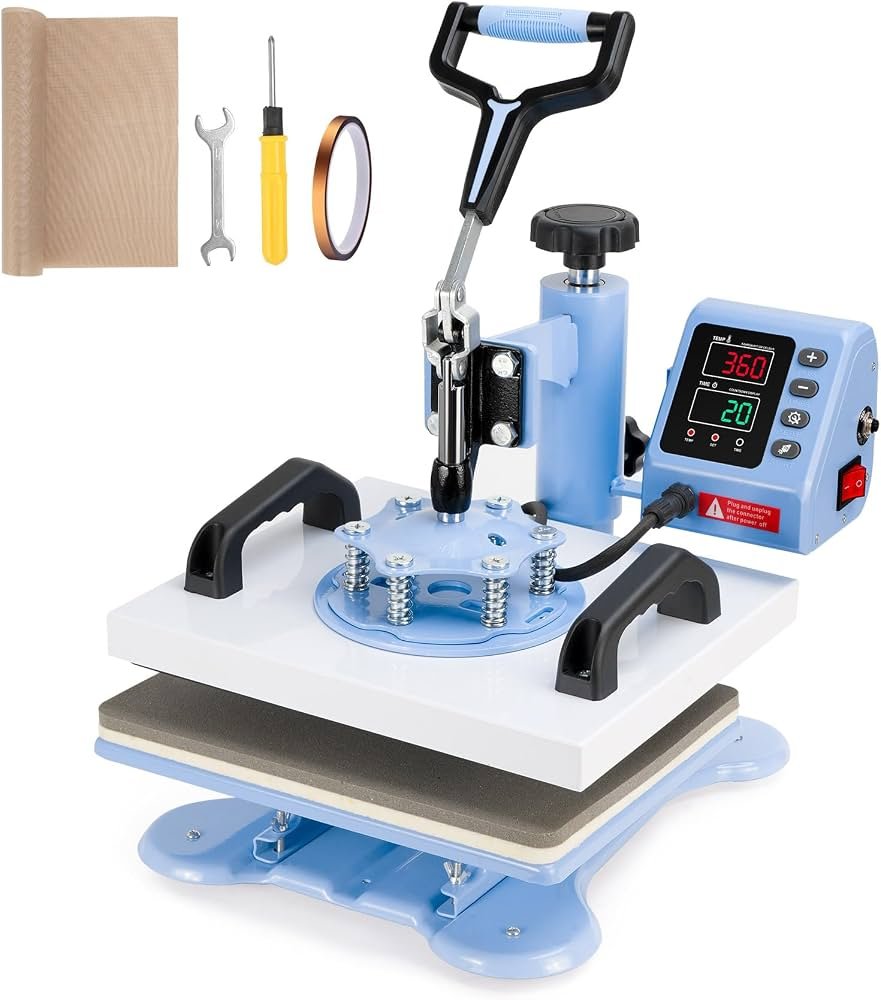
Review each proposed decoration on the relevant garment panel during sampling, especially where the placement overlaps a movement zone, pocket, reinforcement, bartack, or seam. Approve placement only after the sample confirms the intended access and movement.
Useful options include embroidery, screen printing, heat transfer, patches, woven labels, and care labels. Define the logo artwork, scale, position, color, and backing or label attachment method in the sample brief.
Grade Sizes And Confirm Presentation
Size grading must be tied to the intended wearer group and the approved base pattern, not copied from an unrelated pant. Request the size range, measurement points, and tolerances needed for your program, then check the sample in the relevant size.
Custom packaging can be discussed alongside hangtags, labels, and folding requirements. Confirm accessory choices such as closures, belt loops, pocket hardware, and reinforcement details on the sample; unknown special packaging options need editorial review before publication.
7. How to choose a stretch work pants manufacturer
A capable stretch work pants manufacturer converts a job-specific brief into a repeatable garment, then documents what was approved. Compare the development controls behind the pant, not a generic feature list.
| Selection Control | What To Confirm | Approval Evidence |
|---|---|---|
| Brief | Tasks, materials, sizing, branding | Dated specification pack |
| Prototype | Pattern, fit, construction | Signed sample record |
| Quotation | Included processes and logistics scope | Itemized written quote |
Start With A Technical Brief
State the role, movement demands, fabric composition and weight target, color, size range, pocket layout, reinforcement zones, branding, destination, and required timeline. For protective designs, name the applicable standard and request the exact test or certificate scope.
A sketch can start discussion, but a measurement chart, construction callouts, and placement artwork prevent different interpretations at sampling.
- Target work setting and wearer tasks
- Fabric and trim requirements
- Measurement chart and grading rules
- Protection standard, when applicable
Trace Fabrics And Trims
Ask each sample to identify its fabric and critical trims, including closures, labels, reflective tape where specified, and reinforcement materials. This makes substitutions visible before bulk cutting.
Veelianpro can source fabrics and trims and discuss composition, weight, pocket systems, bartacks, triple stitching, gussets, and reinforced knees during development.
Approve Pattern And Sample
Review the prototype on relevant wearer sizes: waist, rise, seat, thigh, knee position, inseam, and boot clearance all affect usable mobility. Confirm grading rather than assuming a single approved size scales correctly.
Record approved fabric, trims, measurements, construction, decoration, packing, and tolerance expectations in the sample approval record.
Define Inspection And Quote Scope
Set inspection checkpoints and defect definitions before production, then require the quotation to separate development, materials, decoration, packing, and export coordination. A lower headline figure is not comparable if it omits a needed component or process.
Veelianpro supports OEM, ODM, private-label, and wholesale workwear development from a tech pack, sample, sketch, or idea. Confirm the final production scope, MOQ, timing, and commercial terms in the quotation.
8. Avoid common stretch work-pant sourcing mistakes
A comfortable sample can still fail a work program when its stretch, fit, storage, and protection assumptions are untested. Convert the job description into checks that expose weak points before bulk approval.
Judge Fabric Beyond Hand Feel
Softness does not reveal recovery, abrasion behavior, or how a fabric performs once pockets and reinforced panels are sewn in. Specify composition, weight, stretch direction, and intended task, then compare approved fabric swatches with a sewn sample.
Map Stretch And Wear Zones
Not all stretch serves the same purpose: a gusset, articulated knee, or stretch panel changes movement differently from an all-over stretch fabric. Missing knees, seat, inseam, and pocket-edge wear zones can concentrate failure where the wearer kneels or carries tools.
- Mark kneeling and crawling contact areas
- Identify tool abrasion and loaded seams
- Request reinforcement placement on the tech pack
Control Pocket Load And Fit
Large pockets can pull the garment off balance, distort the hip, and stress seams when loaded. Approve flat measurements, but also check waist, seat, thigh, rise, inseam, boot clearance, and pocket access during squatting, climbing, and reaching.
Separate Protection From Design
Reflective details, flame-resistant concepts, or arc-rated product families are not proof that a proposed pant meets a required protective standard. Provide the applicable standard and required test or certificate scope during development; keep unverified claims out of product copy.
9. Launch a stretch work pants program
A production-ready program turns the wearer’s daily movements into controlled specifications before bulk cutting. Start with the job brief, then use approved samples and documented revisions to prevent fit or function changes at handoff.
Define The Job Brief
Identify the workforce, job setting, tool carry, work boots, and repeated motions such as kneeling, climbing, squatting, and driving. Distinguish ordinary workwear from any protective requirement requiring separately specified evidence.
Turn that brief into a tech pack with front and back views, fabric and trim callouts, pocket locations, reinforcement zones, branding, color, and packing requirements. A sketch can begin the process, but unresolved details must be closed before sampling.
- Target role and movement sequence
- Required tools and pocket access
- Boot type and cuff clearance
- Protection standard, if applicable
Lock Fit And Components
Select fabric, waistband components, closures, thread, and reinforcement construction together; a flexible fabric cannot correct a restrictive seat or misplaced knee panel. Provide a measurement chart with grading rules and clear measurement points.
Check the prototype on intended wearer groups rather than relying only on a flat garment measurement. Record waist, inseam, seat, thigh, knee position, pocket reach, boot fit, and comfort through repeated motion.
Approve Before Production
Use a revision log that assigns each sample change a version, date, owner, and approval status. Re-test the revised sample so a pocket adjustment or pattern change does not introduce a new access or mobility issue.
Approve the pre-production sample, final measurement chart, materials, decoration placement, labels, packing, and inspection criteria as one controlled handoff. Confirm final MOQ, timing, and terms in the quotation.
10. What drives stretch work-pants cost
A stretch work-pants quote changes when the specification adds distinct materials, operations, development work, or requested documentation. Compare quotations against the same written scope rather than against a generic pant price.
Use the RFQ to separate one-time development work from recurring bulk-production costs. State the intended work setting, quantity by style and color, destination, and approval requirements so quotations cover the same scope. For protective designs, provide the applicable standard and required test or certificate; a design request is not a documented performance claim.
| Cost Driver | What Changes Cost | Functional Value | RFQ Must Specify |
|---|---|---|---|
| Fabric and stretch inputs | Base composition, fabric weight, stretch component, finish, and supplier availability. | Balances mobility, hand feel, abrasion needs, and weather exposure. | Composition, weight, stretch direction, finish, color, and required evidence. |
| Reinforcement and pockets | Knee panels, gusset, bartacks, triple stitching, tool pockets, closures, and pocket count add materials and sewing operations. | Targets wear zones and keeps role-specific tools accessible. | Reinforced areas, seam method, pocket drawing, closure type, and kneepad requirement. |
| Sizes, colors, and branding | More colorways, graded sizes, embroidery, printing, patches, labels, and custom packaging create setup and handling work. | Supports fit coverage and a recognizable uniform program. | Size chart, waist-inseam range, color approvals, artwork, label copy, and packaging format. |
| Sampling, quantity, and testing | Pattern development, samples, small production runs, and requested testing or certification documentation require separate planning. | Reduces fit and compliance ambiguity before bulk approval. | Sample target, order quantity by style and color, destination, applicable standard, and documentation scope. |


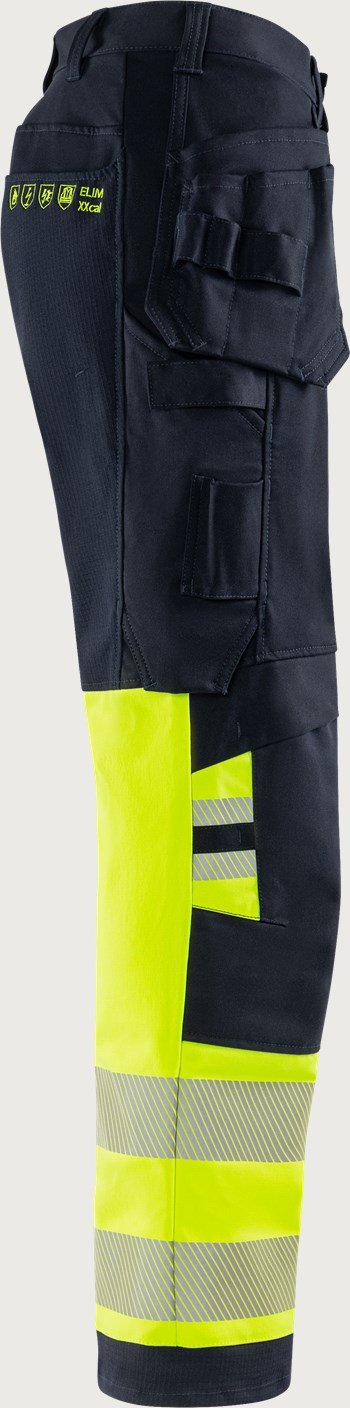
Partner With a Stretch Work Pants Manufacturer
Send your tech pack, sketch, or product idea for feasibility review, fabric and trim discussion, sampling, and a tailored quote.