

Develop a lightweight jacket-and-trouser chemical-splash workwear suit with a tailored fit block, internal taped seam option, adjustable openings, identification graphics, and branded packing for defined industrial exposure programs.
Develop Chemical-Resistant Workwear with Veelianpro
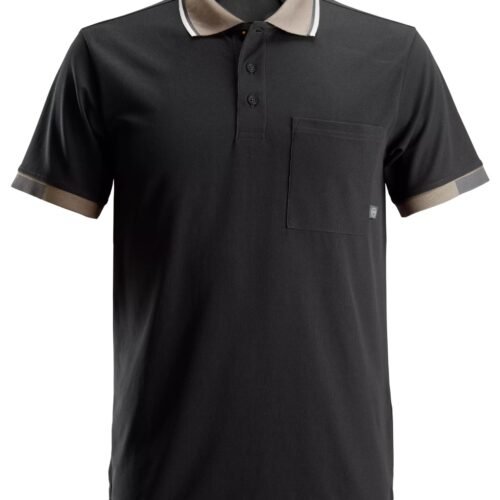
Custom Lightweight Chemical-Splash Workwear Suit with Taped Internal Seams can be OEM/private-label developed around internal seam taping and your splash-exposure zones. Confirm fabric, fit, decoration and testing targets; MOQ starts from 100 pieces per style and color, conditional on requirements.
Define the Workwear Brief
Use the reference direction as a starting point for a warm-weather woven jacket and trouser set, not as a pre-certified product claim. Choose whether the job needs a two-piece suit, coverall, or separate items. Define exposure zones, layering allowance, pocket access, warning marking, color blocking, closure preference and wearer mobility needs.
Specify chemicals, concentrations, splash frequency, contact duration, and protection targets for testing on the approved finished style.
Select a lightweight jacket-and-trouser set, coverall, or separate items according to task movement and coverage needs.
Confirm closure coverage, adjustable cuffs and hems, pocket placement, and targeted taped or sealed seam areas.
Finalize fit block, size range, colors, labels, decoration, packing, and sample testing before bulk production.
Fabric, Fit and Construction Options
Develop a lightweight woven fabric direction around wearer comfort, abrasion resistance and the intended chemical-splash target. Fabric sourcing can compare fiber blends, weave structures, finishes, lining needs and color options after the chemical brief is known. Any resistance, anti-static, shrinkage, colorfastness or durability requirement should be agreed as a test target for the exact approved material and finished garment.
Build the suit with a collared jacket, front closure, long sleeves and matching trousers, then adapt the pattern to the task. Options include adjustable cuffs and hems, protected closure flaps, reinforced stress points, selected pocket layouts and internal taped or sealed seam zones. Confirm which joins face splash exposure, because seam treatment, thread, tape and trim selection must follow the approved protection plan.
From Brief to Approved Sample
Start with a technical brief covering chemicals, concentration, exposure type, size chart, fit sample, fabric direction, trims, decoration, labels and packing. Veelianpro can support pattern and fit development, sourcing, sampling and private-label execution. Review a pre-production sample and arrange relevant testing for the exact approved style before bulk release. Revisions can address mobility, closure coverage and construction details.
- Brief Hazards Define chemicals, concentrations, exposure, work duration, and protection testing targets.
- Material Review Review fabric, finish, trims, mobility, and comfort against approved targets.
- Pattern Sample Develop fit block, construction details, branding, and pre-production sample.
- Approval Testing Approve exact style testing plan before bulk production release.
What to Send for a Useful Quote
Exposure Profile Share chemical types, concentration, splash conditions, and required protection targets.
Style Configuration Specify garment format, pockets, closures, cuff adjustments, and seam requirements.
Order Details Confirm size range, decoration, colorway, packing, and quantities per style.
Chemical-Resistant Workwear Procurement FAQs
Which chemical types, concentrations, and splash conditions require testing?
Define the chemical names, concentrations, temperatures, contact duration, splash volume, and cleaning cycle before material selection. Specify whether exposure is intermittent or repeated, then approve testing for the finished garment, including fabric, seams, closures, and any taped areas, against the intended use conditions.
Do you need a two-piece set, coverall, or separates?
Choose a two-piece set when task changes or replacement flexibility matter; choose a coverall for continuous body coverage; select separate items for task-specific layering. Confirm overlap between jacket and trousers, closure access, wearer movement, and whether the work process requires rapid removal after exposure.
Should fabric prioritize lightweight comfort or added protection target?
Start with the approved hazard target, then compare lightweight woven options against abrasion needs, layering, heat, and shift length. Request swatches and a wear sample to assess breathability, drape, mobility, and laundering. Final fabric selection should follow testing of the exact finished style.
Which seams and closures need barrier-focused construction targets?
Prioritize seams and openings most likely to receive splashes, such as front closures, underarms, crotch, pocket edges, cuffs, and hems. Define taped, sealed, or reinforced construction as a development target where appropriate. Check closure coverage, adjustment range, and compatibility with gloves and footwear during sampling.
Is tested anti-static performance required alongside chemical protection?
State anti-static performance as a separate requirement if the workplace risk assessment calls for it. Provide the intended environment, garment layering, and laundering expectations. Develop and test the approved fabric, trims, decoration, and finished construction together; do not assume a chemical-resistant finish also delivers anti-static performance.
What branding, markings, sizing, and packing should samples include?
Include the size range, fit block, logo placement and method, warning graphics, colorway, care label language, and individual-packing specification in the sample brief. Confirm that decoration and labels do not interfere with performance targets. Approve the pre-production sample before quantities, colors, and packing are finalized.
Discuss Your Chemical-Resistant Workwear Program
Send the chemical brief, garment quantities by color, target delivery market, artwork and size breakdown for a focused development and production quotation.



Reviews
There are no reviews yet.