
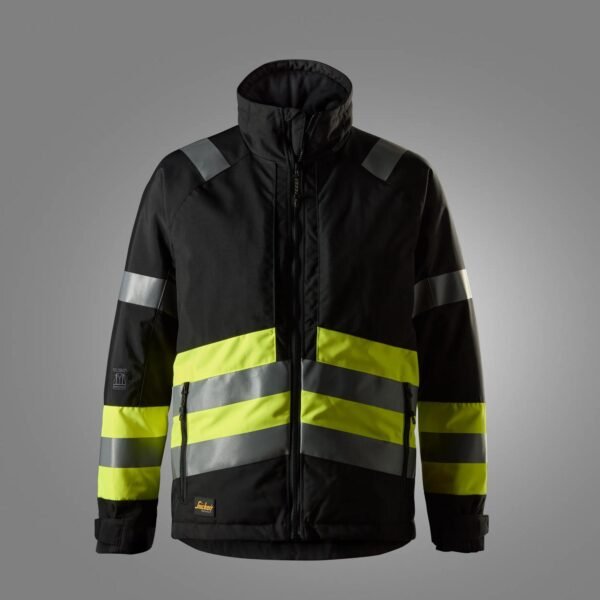
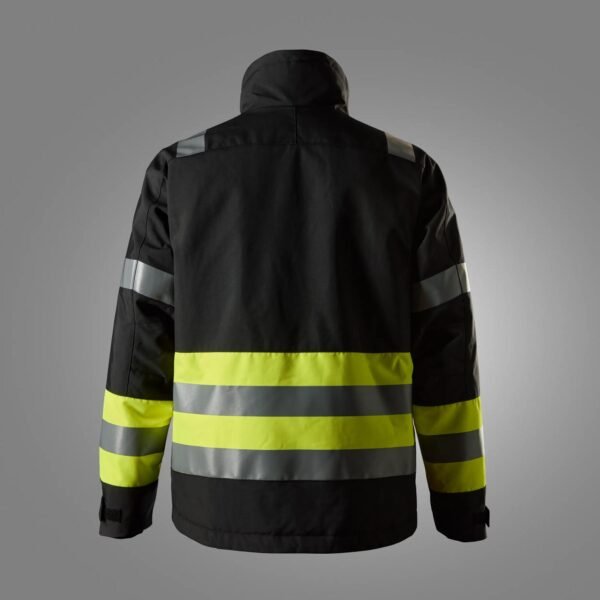
Develop a high-visibility insulated winter work jacket for cold-store and outdoor crews, combining an extended back, organised zipped storage and adjustable cuffs with private-label branding, fit and material choices tailored to your programme.
Develop Cold-Weather High-Visibility Workwear with Veelianpro
This cold-store high-visibility winter jacket can be developed with a dropped rear hem, shaped sleeves, zipped chest and hand pockets, and interior organiser storage. Choose visibility colour, reflective layout, insulation and logo placement around your specification. MOQ starts from 100 pieces per style and colour, subject to requirements.
Define the Workwear Brief
Designed as a development-ready outer layer rather than an off-the-shelf claim, this style suits teams moving between cold storage, loading areas and low-light outdoor tasks. Specify coverage length, mobility, pocket use and profile placement early. Visibility and cold-protection performance can be engineered as test targets for the approved style.
Choose bomber length, extended back, or parka coverage; confirm mobility, size range, adjustable cuffs and hem.
Map zipped chest and hand pockets, internal storage, pen slots and ID access around daily equipment.
Specify fluorescent colour and reflective layout, then reserve clear zones for logos without compromising the intended design.
Set insulation, lining, wind and wet-weather development priorities; verify any required protection targets on approved samples.
Fabric, Fit and Construction Options
Select a durable high-visibility shell fabric with a separate insulation package and comfortable lining selected for the planned working climate and activity level. Options can include a water-resistant face, breathable build, reinforcing contrast panels and brushed collar lining. We can source matching zips, reflective trims, pocket linings, labels and packing to the approved specification.
Build the jacket with a front zip closure, stand collar, articulated sleeves, adjustable hook-and-loop cuffs and hem adjustment. The reference-inspired storage plan may include two zipped chest pockets, zipped hand pockets, an internal secure pocket, stow pockets, pen divisions and an ID-holder option. Retain clear decoration zones and confirm reflective placement before sampling.
From Brief to Approved Sample
Start with a specification review covering use environment, sizing, colour, pocket map, branding and performance targets. A development sample lets you assess fit, coverage, access and decoration positioning before bulk approval. We then refine patterns, sourced materials, labels and packaging as needed. Production MOQ starts from 100 pieces per style and colour, conditional on requirements.
- Brief Review Share job conditions, coverage preference, pocket needs and branding direction
- Pattern Planning Confirm fit, grading, mobility details and provisional visibility layout
- Sample Build Review materials, trims, insulation approach, decoration and construction details
- Approval Setup Approve sample revisions, test targets, labels, packaging and production specifications
What to Send for a Useful Quote
Work Conditions Describe temperature exposure, activity level, wind, moisture and shift patterns
Sizing Needs Provide size range, wearer profiles and any fit requirements
Compliance Targets State site visibility requirements and testing targets for approved style
Cold-Weather High-Visibility Workwear Procurement FAQs
Do you need bomber, parka, or extended-back coverage?
Choose coverage around task movement and exposure: bomber-length for active work, parka for more coverage, or an extended-back design for added lower-back protection. Confirm layering allowance, vehicle use, bending reach, and whether the hem must stay below a harness or tool belt.
Which pocket configuration suits your team’s equipment?
Specify pocket locations around the equipment your team carries: zipped chest pockets for secure essentials, hand pockets for warm-up access, and internal divisions for pens or documents. Confirm scanner dimensions, radio placement, glove-on access, closure preference, ID-holder position, and whether pocket contents must remain accessible while seated.
Does the hood need to be removable or adjustable?
Add an adjustable hood when cold-air exposure or intermittent outdoor work demands head coverage; specify a detachable version where helmets, machinery clearance, or indoor tasks make it unnecessary. Check hood depth over headwear, face opening adjustment, collar storage, drawcord safety, visibility interaction, and the preferred fastening method.
What logo placement and decoration method do you require?
Plan branding before the reflective layout is finalized: common options include left chest, back yoke, sleeves, or a dedicated badge panel. Select embroidery, print, transfer, or woven badge according to artwork detail and fabric. Approve size, colour, attachment method, wash-care expectations, and a production sample.
Which visibility requirement must the final style meet?
Define the site visibility target before sampling, including fluorescent ground colour, contrast areas, reflective-band placement, garment coverage, and logo exclusion zones. If a formal standard applies, submit it with approved artwork and size grading. Compliance must be tested on the exact approved finished style.
What weather-resistance options suit cold-store work?
Choose weather-resistance features by exposure: a water-resistant shell for short outdoor transitions, sealed seams for sustained wet conditions, and a breathable build for active work. Confirm whether insulation must remain comfortable during loading, driving, or freezer entry. Review closure flaps, collar design, cuff seals, and hem adjustment.
Discuss Your Cold-Weather High-Visibility Workwear Program
Share your cold-weather use case, visibility target, size breakdown and artwork; we will prepare a practical specification and tailored sourcing quotation.


Reviews
There are no reviews yet.