

Develop a private-label mobility work coverall with reach-friendly sleeves, squat ease, adjustable legs and configurable reflective trim.
Develop Custom Work Coveralls and Overalls with Veelianpro
Veelianpro develops custom coveralls around work tasks and branding. Specify closures, pockets, trim layout, sizing, labels and packing. MOQ starts from 100 pieces per style and color, conditional on requirements.
Define the Workwear Brief
The one-piece concept supports reaching, bending and squatting. Use a concealed two-way zipper with neck closure. Choose chest, hip, side-leg or internal pockets for tools and access. Reflective trim placement is customizable.
Specify sleeve pleats, an action back and lower-torso ease as development options for reaching, bending, climbing and squatting. Confirm the wearer profile, key movements and fit range during sampling so the pattern can be refined around actual working routines.
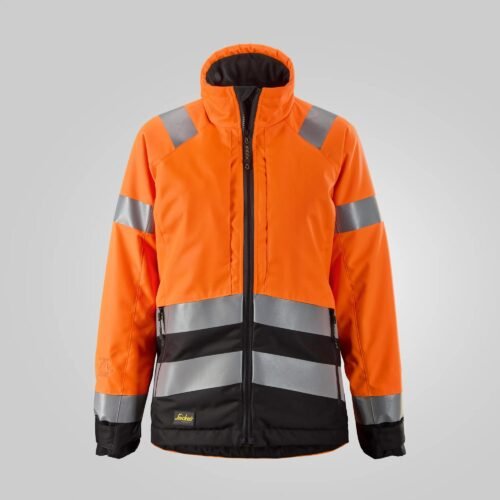
Define reflective trim placement across the front, back, sleeves and legs for the desired visual coverage. Share logo locations, color blocking and clear zones early, because seam placement and pocket layout can affect the final trim route.
Choose a concealed two-way front closure, neck fastening, elastic waist treatment and adjustable leg tabs. Confirm whether wearers need quick access, room for layers, boot clearance or glove-friendly fastening before the sample construction is finalized.
Select fabrics and components for the intended environment, then state any protective target before development begins. If flame-resistant or arc-protective performance is needed, arrange testing for the exact approved style rather than relying on reference-product performance.
Fabric, Fit and Construction Options
Select workwear fabric for durability, comfort, climate and care needs. Cotton-rich, polyester-cotton and performance-blend options are subject to sourcing and approval. Define protective targets early and test the approved style.
Build mobility into shaped or pleated sleeves, action-back ease, a lower torso and an adjustable waist. Specify zipper, concealment, top closure and stress-point reinforcement. Leg tabs refine fit; pocket locations follow work routines.
From Brief to Approved Sample
Start with a tech pack or images, wearer profile, size chart and artwork. We review pattern, materials and trim before sampling. Fit comments guide reach, torso, inseam, pocket-access and trim-placement revisions. Approved samples establish production specifications.
- Design Brief Confirm the use case, movement targets, fit block, trim layout, pocket map and branding needs.
- Material Sourcing Review fabric, closure, reflective trim and accessory options against the approved development direction.
- Prototype Sampling Develop a sample with selected construction details, then collect fit feedback for pattern refinement.
- Approval Review Evaluate fit, function, decoration, labels, packing and any required final-style testing before production.
What to Send for a Useful Quote
Order Scope Share style count, colors, size breakdown, quantity per variant and destination.
Branding Details Specify logo method, artwork, label content, hangtags and packaging preferences.
Performance Targets State any protection targets and testing requirements for the final approved style.
Custom Work Coveralls and Overalls Procurement FAQs
Do you need mobility features for reaching and squatting?
Yes—specify sleeve pleats, action-back shaping and lower-torso ease as development options. Confirm work positions, reach range, inseam and size set during sampling. Pattern adjustments should be reviewed on representative wearers before bulk approval, especially where bending, climbing or overhead work is frequent.
Should reflective trim provide full-around visibility coverage?
Yes—map reflective trim placement across the front, back, sleeves and legs to suit the intended worksite. Confirm trim width, color contrast, seam interruptions and logo clear zones before sampling. If visibility compliance is required, define the target standard and test the approved final style.
Would you prefer a concealed two-way front zipper?
Choose a concealed two-way front zipper when access, ventilation and easier wearability are priorities. Specify zipper material, puller type, cover flap, top neck closure and breakaway requirements where applicable. Review zipper operation while seated, crouching and wearing gloves during sample fitting before confirming production.
Which pockets are needed for tools and personal items?
Select pockets around actual carry needs: chest, hip, side-leg, internal or dedicated tool compartments. Define opening security, drainage, reinforcement, access while wearing gloves and whether contents must remain reachable when seated. A sample loading review helps balance storage capacity, comfort and snag-risk control.
Do workers need adjustable lower-leg fit controls?
Specify adjustable leg tabs when workers need to manage hem volume around boots or equipment. Confirm tab location, fastening method, adjustment range and whether cuffs must accommodate protective footwear. Check that the setting remains comfortable while walking, kneeling, climbing and during repeated industrial laundering.
Is tested protective performance required for this coverall?
If required, state the protective target before material selection and sampling. Veelianpro can develop the coverall around the specified construction, fabric, closures and trim, then arrange appropriate testing for the final approved style. Do not treat a reference design’s performance claims as transferable to a new product.
Discuss Your Custom Work Coveralls and Overalls Program
Send quantity by style and color, size breakdown, destination, fabric, trim, logo method, labels, packing and delivery window.



Reviews
There are no reviews yet.