

Develop a one-piece industrial coverall with a practical utility pocket map, high-visibility trim options, flexible reach features, and an over-clothing fit tailored to your workforce, climate, and branding program.
Develop Custom Industrial Coveralls and Overalls with Veelianpro
Veelianpro can develop this midweight utility coverall from your brief, including fabric direction, reflective-trim layout, pockets, fit, closures, labels, and packing. MOQ starts from 100 pieces per style and color, subject to materials and requirements. Protective performance is a development target requiring testing on the approved final style.
Define the Workwear Brief
This coverall is suited to maintenance, logistics, field service, and industrial teams needing durable one-piece workwear with organized storage and clearer on-site visibility. Specify a clean concealed front, lay-flat collar, adjustable sleeve finish, action back, elastic waist support, and boot-friendly leg shape. Choose trim placement and contrast colors to match your work environment.
Choose general industrial construction or define protective targets early, with testing planned for the approved production style.
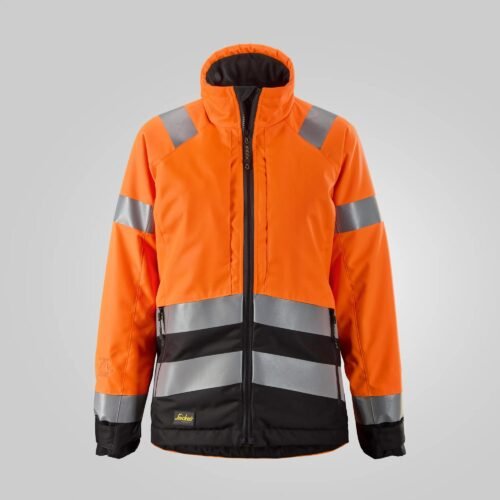
Specify chest, back and sleeve reflective trim placement, contrast colours and the required all-around visibility coverage.
Confirm layering allowance, graded size range, boot-compatible leg openings, action-back reach and elastic waist comfort.
Select concealed two-way zipper, collar and cuff closures, then map chest, hip, sleeve and tool pockets.
Fabric, Fit and Construction Options
Select a midweight woven fabric according to abrasion needs, mobility, climate, laundering plan, and required hand feel. Options may include durable polyester-cotton blends, cotton-rich workwear cloth, stretch panels where suitable, or a flame-resistant fabric program when required. Fabric weight, composition, colorfastness, and any protective target should be confirmed through material selection, sample review, and testing for the exact approved garment.
Build with a concealed two-way front zipper, optional neck fastening, two-piece lay-flat collar, and adjustable cuff or sleeve-vent closure. A pleated action back and elastic waist inserts can support reaching and bending. Develop flap chest pockets, hip pockets, sleeve storage, ruler pocket, utility loop, and reinforced stress points around the buyer’s actual tools and movement demands.
From Brief to Approved Sample
Start with a specification review covering size range, layering allowance, inseam, pocket dimensions, trim layout, decoration, labels, and packing. We can prepare a development sample for fit and construction approval, then revise grading or components before pre-production approval. Where flame resistance, arc protection, or visibility compliance is required, arrange applicable testing for the finalized style and materials.
- Design Brief Confirm workplace use, fabric direction, trim layout, pockets, and branding.
- Pattern Review Develop fit, grading, movement allowance, and closure construction details.
- Prototype Sample Approve workmanship, placement, comfort, and revised construction before production.
- Testing Plan Set protective targets and arrange style-specific testing when required.
What to Send for a Useful Quote
Order Profile Share quantities by color, size range, destination, and requested packaging.
Compliance Needs State any target standards, test requirements, and documentation needs.
Artwork Files Provide logos, label copy, color references, and decoration locations.
Custom Industrial Coveralls and Overalls Procurement FAQs
Is this for general work or protective-program testing?
Choose the intended use first: general industrial workwear or a protective-program development target. For a protection target, confirm the hazard, required standard, fabric and trim choices, construction details, labeling, and test plan for the exact approved style before bulk production.
Which visibility-trim configuration suits your coverall program?
Select no trim, chest-and-back bands, or a full wraparound layout based on the work environment and identification needs. Confirm trim width, placement, contrast, seam allowance, wash expectations, and any applicable visibility standard. Verify performance through testing on the finished approved garment.
Should the fit accommodate layers and work boots?
Yes, this can be developed with layering ease and a leg opening sized to pass over selected work boots. Provide wearer measurements, base-layer assumptions, boot dimensions, size range, and movement needs. Approve graded samples during wear trials before locking the production pattern.
Which front closure and sleeve adjustments are needed?
Specify a concealed two-way front zipper, neck fastening, adjustable cuffs, and sleeve-vent closures only where they support the task and wearer preference. Confirm zipper type, pull access, snap placement, reinforcement, and glove usability on samples. Closure choices should match the approved fabric and use conditions.
Which pockets are essential for your team's tools and items?
Build the pocket map around real tasks: flap chest pockets, hip pockets, a sleeve pocket, ruler pocket, or custom tool storage. Define contents, access hand, closure, drainage, reinforcement, and location. Check that loaded pockets do not restrict bending, climbing, vehicle use, or decoration placement.
Do you need an action back and elastic waist?
An action back, elastic waist inserts, and a shoulder utility loop can improve reach and everyday utility. Choose them after reviewing job motions, harness or equipment interference, logo locations, and laundering needs. Validate comfort, recovery, seam strength, and access in a representative wear sample.
Discuss Your Custom Industrial Coveralls and Overalls Program
Send your quantity by color, size range, artwork, target fabric, pocket requirements, trim layout, destination, and any testing target for a focused quotation.


Reviews
There are no reviews yet.