


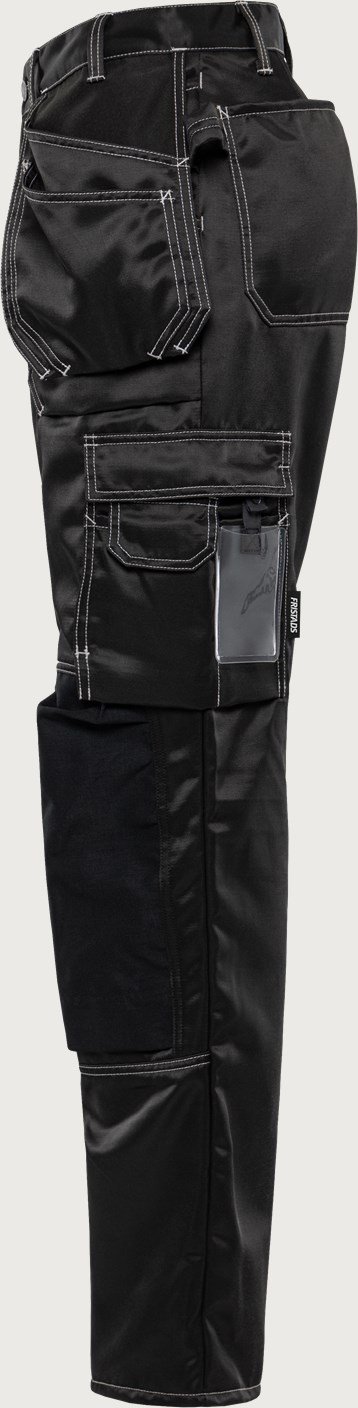



Develop a lightweight craftsman trouser for active trade teams, combining loose-hanging tool pockets, configurable leg storage, reinforced knee-pad zones, and a fit block tailored to your workforce, brand, and jobsite routine.
Develop Custom Work Pants with Veelianpro
Veelianpro can develop this practical craftsman-pant concept as an OEM, ODM, or private-label program. Select the pocket map, hammer-loop arrangement, knee-pad access, fit, fabric hand feel, colors, branding, labels, and packing. MOQ starts from 100 pieces per style and color, subject to the approved specification.
Define the Workwear Brief
This design direction suits installers, carpenters, maintenance crews, and other trades that need tools close at hand without a heavy trouser build. Loose holster pockets can organize fasteners and hand tools, while a covered leg pocket can be configured around the wearer’s phone, ID, notebook, or measuring accessories.
Specify frequently used tools to shape loose-hanging holster pockets, dividers, tool loops, and reinforcement placement.
Confirm leg-pocket contents and prioritize dedicated phone, ruler, pen, ID-holder, or notebook storage requirements.
Define knee-pad compatibility, outside or inside access, and adjustment positions for kneeling-intensive trade tasks.
Select fit block, inseam range, mobility allowance, durable fabric hand feel, and water-repellent finish target.
Fabric, Fit and Construction Options
Choose a durable woven workwear base with the weight, stretch level, surface texture, and color-retention target appropriate for the job. A water-repellent finish may be specified for light wet-weather exposure. Reinforcement panels can use a tougher compatible fabric in high-wear areas. Final fabric selection should balance mobility, abrasion expectations, wash care, and decoration needs.
Develop two loose-hanging holster pockets with divided compartments and tool loops, plus one or two hammer loops according to the trade. Specify a ruler pocket, pen section, secure leg pocket, and optional ID attachment point. Knee-pad pockets may use external access and adjustable pad positions. Reinforced stress points, bartacks, and practical seam placement support daily use.
From Brief to Approved Sample
Start with a tech pack covering target wearer roles, size chart, inseam choices, pocket dimensions, tools carried, branding placement, and packaging. We can source fabric and trims, create the pattern and fit sample, then revise details after wear review. If a protection or water-repellency requirement applies, confirm the test target for the exact approved style.
- Brief Alignment Confirm trade use, fit block, pocket priorities, and branding.
- Material Planning Review fabric, trims, color, finish target, and durability needs.
- Sample Development Create pattern sample and refine construction after buyer feedback.
- Approval Testing Approve final sample; arrange requirement-specific testing where needed.
What to Send for a Useful Quote
Project Scope Share quantities, colors, sizes, trade application, and required features.
Branding Details Provide artwork, decoration placement, labels, packaging, and compliance targets.
Fit Requirements Specify size range, inseams, fit preferences, and knee-pad needs.
Custom Work Pants Procurement FAQs
Which tools should stay immediately accessible in holster pockets?
Specify the tools first, then size the detachable or fixed holster pockets around them. Confirm pocket opening width, depth, drainage, tool-loop positions, stitch reinforcement, and whether the pockets must tuck away when not in use. Provide representative tools during sampling to validate reach and balance.
Do you need one or two adjustable hammer loops?
Choose one or two loops based on the trade and tool weight; an adjustable or removable option can improve comfort when driving or sitting. Confirm loop material, attachment points, clearance from pockets, and reinforcement needs. Trial the arrangement with issued hammers before approving production.
How should the leg pocket support daily job items?
Configure the leg pocket around the primary item, such as a phone, ID card, notebook, or measuring tools, rather than adding unused compartments. Confirm flap or zip closure, opening direction, access while kneeling, internal divisions, attachment loop, and compatibility with the wearer’s phone case.
What knee-pocket access and adjustment range do wearers need?
Use knee-pad pockets only when kneeling work is routine, with entry and height adjustment matched to the wearer’s working posture. Confirm pad dimensions, access orientation, pocket closure, reinforcement, seam placement, and comfort through repeated kneeling trials. Any protective performance target requires testing of the approved style.
What water repellency target fits the intended work conditions?
Set a water-repellency target from the exposure pattern, such as light outdoor drizzle, splashes, or prolonged wet work. Select fabric and finish accordingly, then confirm hand feel, breathability, wash durability, seam construction, and the required test method on the exact approved trouser style.
Which fit, waist sizes, and leg lengths are required?
Define the fit block from wearer measurements and movement needs before grading the range. Confirm waist increments, rise, hip and thigh ease, inseam options, hem allowance, and compatibility with work boots. Review a size-set sample across representative wearers before locking patterns and size labels.
Discuss Your Custom Work Pants Program
Send your quantity by color, target market, size range, decoration method, required pocket layout, fabric preferences, and delivery destination for a focused development quotation.


Reviews
There are no reviews yet.